







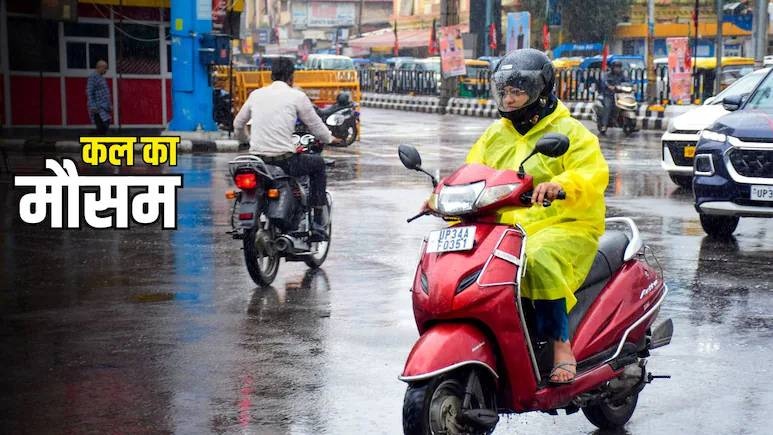
Delhi Weather Shift and Rain Forecast: IMD Warns of Weather Change
Delhi-NCR is witnessing a dramatic environmental and meteorological transition. While the region continues to grapple with hazardous air quality that has effectively transformed the capital into a giant gas chamber, meteorological shifts are finally on the horizon. According to the latest updates from the India Meteorological Department (IMD), western disturbances and incoming wind patterns are set to alter weather conditions across northern India. As citizens endure stinging smog and severe pollution levels, the prospect of incoming rainfall and high-altitude snowfall offers a much-needed glimmer of hope for clearing the toxic haze.
IMD Weather Alert: Upper Air Patterns and Shifting Winds
The India Meteorological Department has issued comprehensive regional forecasts highlighting an active western disturbance approaching the western Himalayan region. As these upper-air cyclonic circulations interact with local topography, atmospheric dynamics over the northern plains are expected to transform rapidly. For weeks, stagnant surface winds and low ventilation coefficients have trapped vehicular emissions, construction dust, and residual crop-residue smoke close to the ground. However, meteorologists predict an incoming transition in wind direction, which will help sweep away accumulated particulate matter and initiate a gradual dispersion of the dense smog blanket shrouding Delhi, Noida, Gurugram, and Faridabad.
Rain and Snowfall Expected in Mountainous Regions
While the plains brace for relief from air pollution, upper-reach territories across the Himalayas are preparing for significant weather activity. The IMD bulletin indicates that states and union territories including Jammu and Kashmir, Himachal Pradesh, and Uttarakhand will experience scattered to widespread rainfall and high-altitude snowfall over the coming days. These early winter precipitation events are typical for late autumn and early winter, marking the gradual withdrawal of warm weather patterns. For travelers and tourists planning trips to popular hill stations, local administrations have advised caution regarding potential road slickness and sudden drops in night temperatures.
Can Rain Clean Delhi’s Gas Chamber Air?
For residents trapped in Delhi’s severe air quality bracket—where the Air Quality Index (AQI) has frequently hovered above 400—the core question remains whether upcoming weather changes can successfully wash away the pollution. Environmental scientists explain that light drizzle or brief showers can sometimes backfire, increasing local humidity and trapping pollutants closer to the surface if wind speeds remain low. However, a sustained spell of moderate-to-heavy rainfall accompanied by steady surface winds of 15 to 20 kilometers per hour acts as a natural scrubber. Rain droplets effectively wash suspended particulate matter like PM2.5 and PM10 out of the air, offering a dramatic, albeit temporary, restoration of blue skies and breathable air.
Temperature Drops and Winter Onset Across North India
Beyond pollution relief, the changing weather patterns will trigger a noticeable drop in minimum and maximum temperatures across the northern plains. Daytime temperatures, which have remained unusually warm for November, are projected to dip sharply following the passage of the western disturbance. Nighttime readings in Delhi and surrounding districts are expected to plummet, signaling the definitive arrival of crisp winter conditions. Citizens, particularly vulnerable demographics such as the elderly and young children, are encouraged to prepare for the sudden chill by transitioning winter wardrobes and monitoring health advisories closely as the regional climate evolves.




