Delhi Metro Shutdown: Contempt Plea Filed in SC Against Home Secretary
Commuters across the national capital faced widespread transit paralysis on Saturday, October 10, as key Delhi Metro stations remained shuttered and train services disrupted amid stringent security curbs triggered by the Cockroach Janata Party (CJP) protest. The persistent shutdown has triggered a fresh legal confrontation, with a contempt of court petition filed directly before the Supreme Court demanding punitive action against top administrative officials for alleged non-compliance with explicit judicial directives issued just a day earlier.
Contempt Petition Names Union Home Secretary Govind Mohan
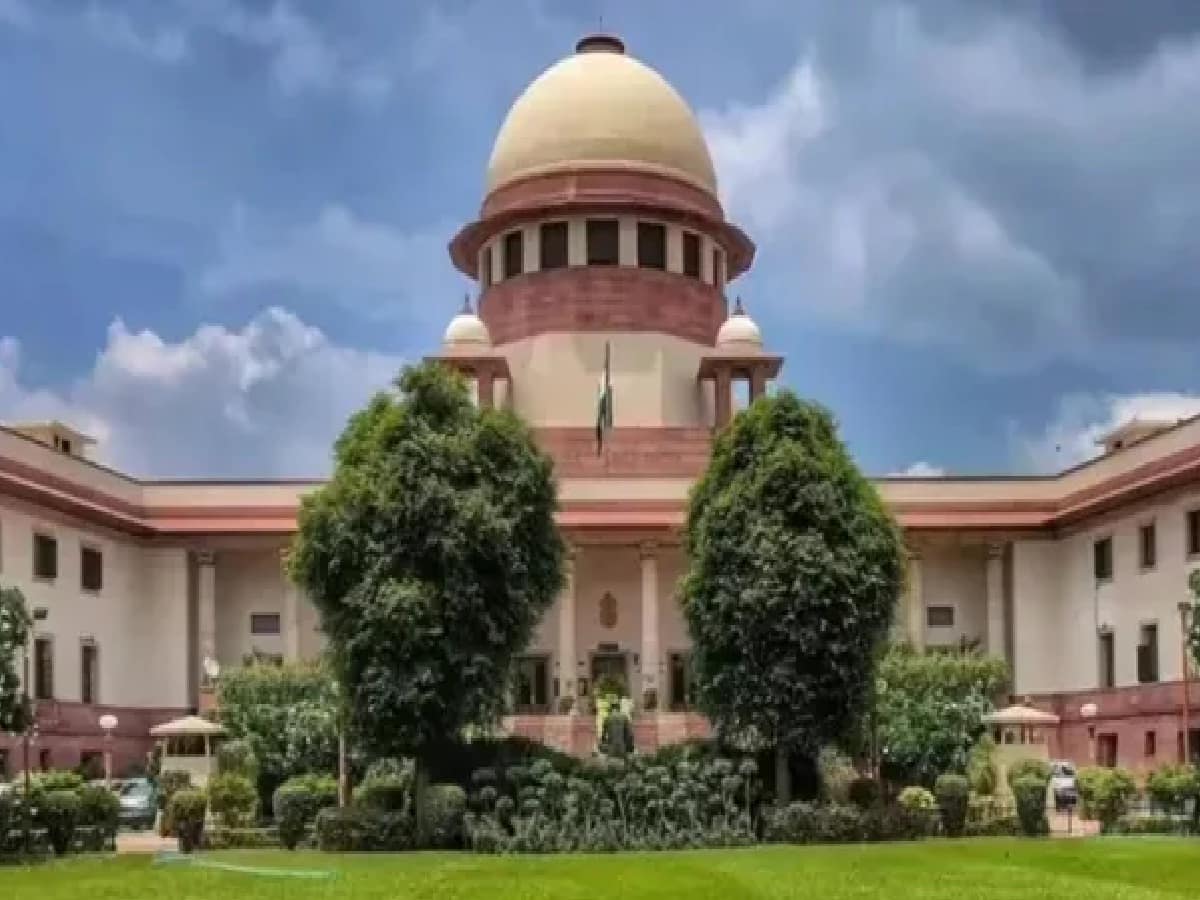
The contempt application was moved before the apex court by Advocate Shailendra Mani Tripathi, explicitly naming Union Home Secretary Govind Mohan along with other key administrative and security authorities as respondents. The petition contends that law enforcement and transit agencies intentionally kept metro gates closed across vital central junctions on Saturday despite binding Supreme Court directions delivered on October 9. The applicant argued that the unyielding blockade paralyzed daily transit corridors, threw essential citizen movement into disarray, and inflicted disproportionate hardship on lakhs of ordinary commuters who rely on public transportation.
Supreme Court’s Friday Ruling Against Blanket Transit Shutdowns
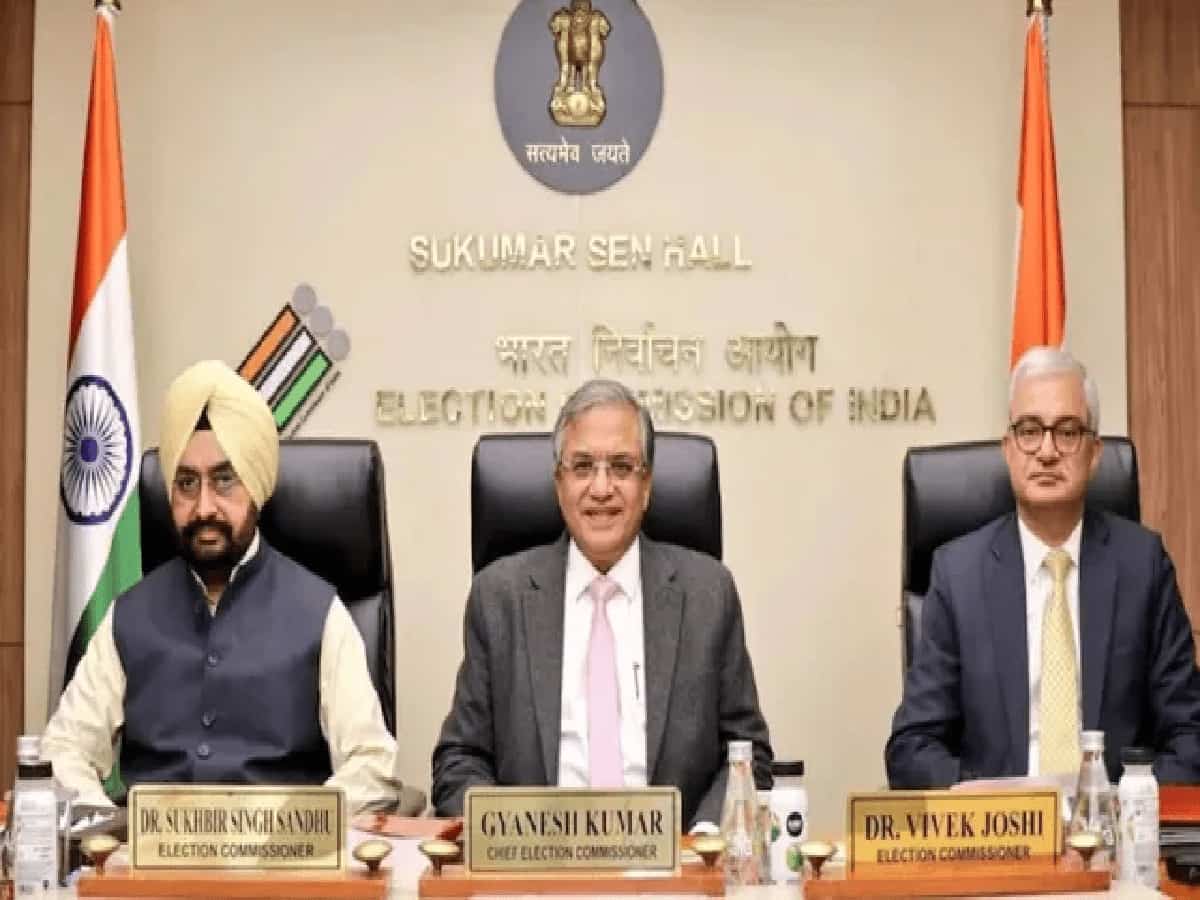
The contempt action stems from proceedings conducted on Friday, October 9, when a Supreme Court bench comprising Chief Justice Surya Kant, Justice Joymalya Bagchi, and Justice V. Mohana heard an urgent plea challenging the pre-emptive closure of 57 metro stations and widespread cancellation of inbound train services ahead of the CJP demonstration against Chief Election Commissioner Gyanesh Kumar. Delivering a stern caution to the central government and transit authorities, the bench explicitly ruled that security operations must not result in a blanket shutdown of metro lines and railway links serving Delhi on October 10, emphasizing that public administrative machinery cannot grind an entire capital city's lifeline to a complete standstill to counter political agitations.