







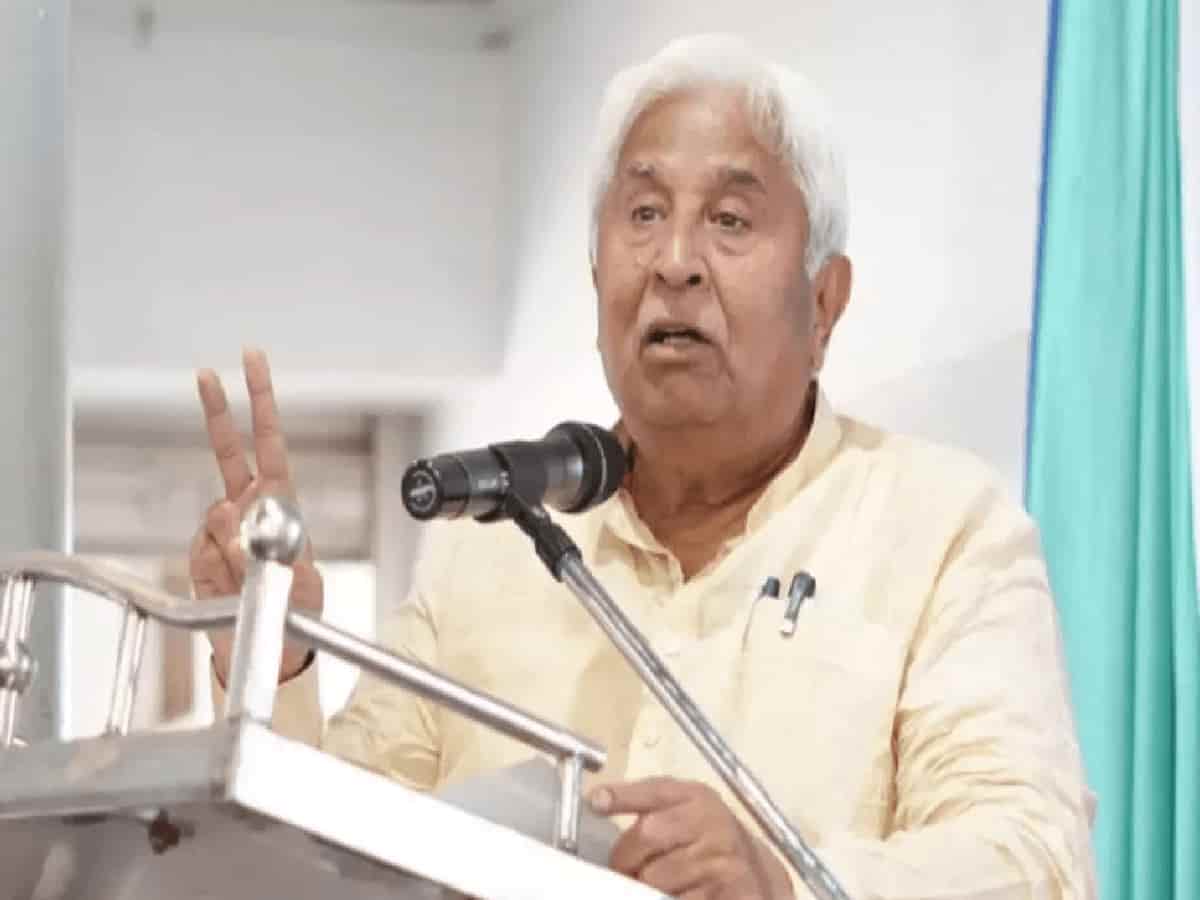
Congress MLA H K Patil threatens resignation over Gadag drought declaration
Senior Karnataka Congress leader and former minister H.K. Patil has warned that he will quit his legislative seat unless the Gadag taluk is officially declared drought‑affected by 10 October.
Patil’s deadline and actions
Patil said he will push for the declaration to be made before Gandhi Jayanti on 2 October, and that he will spare no effort to achieve it within the next three days. He added that if any authority tries to block the declaration despite the taluk meeting the criteria, he will submit his resignation.
Government’s drought assessment
The Karnataka government is currently surveying several regions for drought impact. To date, 124 taluks have been classified as drought‑affected. Deputy Chief Minister G. Parameshwara, who also handles the revenue department, indicated that the figure could rise above 200 in the coming days.
Phased declaration process
In the first phase, 101 taluks were declared drought‑affected, followed by a second batch of 24. Officials expect another 52 taluks to be added within the next three to four days. A further round of ground‑truthing will be carried out in about 50 additional taluks before any final decision is taken.
Implications for the Congress
Patil’s threat underscores the pressure on the state’s ruling coalition and highlights the concerns of farmers and local residents in Gadag, who have been facing severe water shortages. A resignation could further strain the Congress’s position in Karnataka ahead of upcoming elections.
Background on the drought situation
Karnataka has been grappling with erratic monsoon patterns, leading to water scarcity in several districts. The drought declaration triggers relief measures, including financial assistance and irrigation support, which are crucial for the agrarian communities.
What a drought declaration means
When a taluk is officially marked as drought‑affected, the state government can release special funds, waive certain agricultural loans and implement water‑conservation schemes. These measures aim to alleviate the hardship faced by farmers and rural households.