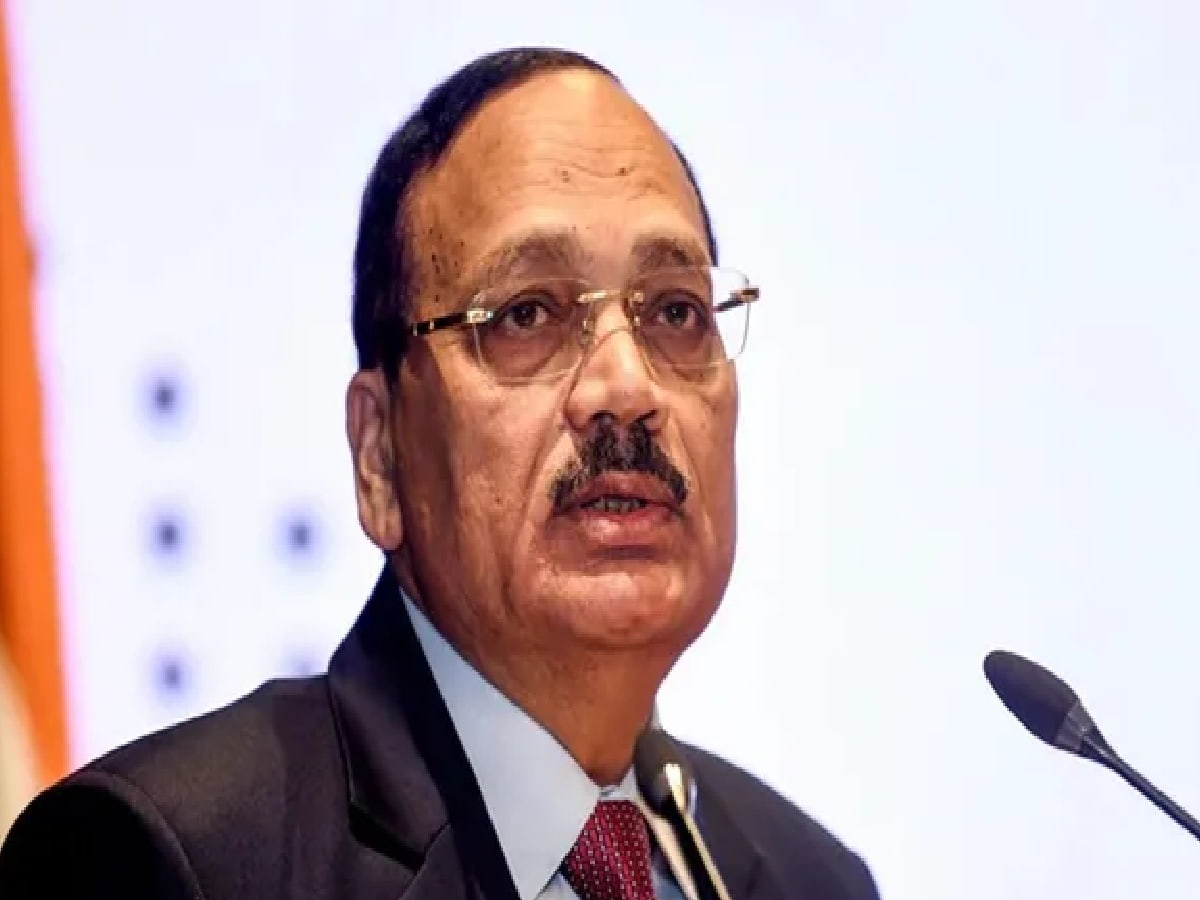
CJI Surya Kant Urges Record Purges and Restorative Juvenile Justice
Delivering an impassioned address at the National Annual Conference marking the completion of ten years of the Juvenile Justice (Care and Protection of Children) Act, 2015, Chief Justice of India (CJI) Surya Kant called for a decisive shift away from punitive vengeance toward holistic restorative justice, asserting that no child should bear an indelible criminal stigma. Jointly organized in New Delhi by the Supreme Court’s Juvenile Justice Committee and UNICEF, the conference brought together jurists, child rights advocates, and policymakers to evaluate the past decade of child welfare legislation. Emphasizing that the statutory phrase "child in conflict with law" represents an administrative description of vulnerable circumstances rather than a permanent personal identity, the CJI noted that while ten years may seem brief in the lifespan of a statute, it represents more than half of a child's formative years. He underscored that juvenile legislation serves as a solemn societal guarantee: when granted genuine second chances, juvenile offenders can reintegrate into their communities as upright, responsible citizens rather than being permanently branded as delinquents.
Purging Digital Footprints, Erasing Police Records, and Dignified Reintegration
CJI Surya Kant emphasized that rehabilitation cannot terminate at the exit gates of observation homes or correctional institutions, arguing that true restorative reform is realized only when a minor's past infractions no longer cast a dark shadow over their future educational and career prospects. To safeguard young lives from structural exclusion, he called for statutory mechanisms to destroy historical delinquency records in a timely manner and mandated the complete scrubbing of minors' identifying details from digital media archives and internet search results. Pointing to the complex socioeconomic vulnerabilities underlying adolescent deviance, the CJI observed that the minor standing in the judicial dock today was almost invariably a neglected child deprived of timely care, institutional support, and protection yesterday. Amplifying this philosophy, Supreme Court Judge Justice B.V. Nagarathna noted that the primary duty of judicial institutions is to heal rather than punish, stating that when a child breaks the law, the legal system must ensure the law does not break the child.
NALSA Legal Aid Mandates, Deficits at JJBs, and Multi-Agency Training
Addressing institutional bottlenecks within India's juvenile justice administration, the CJI raised serious concern over the glaring absence of dedicated legal aid clinics across numerous Juvenile Justice Boards (JJBs) nationwide. Invoking the National Legal Services Authority's (NALSA) Child-Friendly Legal Services Scheme 2024, he called for the immediate stationing of dedicated juvenile defense attorneys at local police stations and within every municipal and district board to protect minors during initial encounters with law enforcement. To foster systemic empathy, the CJI advocated for comprehensive, interdisciplinary training modules uniting police personnel, child psychologists, social welfare workers, and judicial officers to look beyond the overt offense and analyze the social deprivation fueling adolescent behavior. Commemorating the statutory milestone, the CJI released a comprehensive judicial e-compendium indexing landmark decisions of the Supreme Court and High Courts interpreting the Juvenile Justice Act, while UNICEF India Representative Cynthia McCaffrey reaffirmed the international agency’s dedication to fortifying protective legal environments and child-friendly court systems across the country.