Changing Indian Monsoon: IIT Roorkee Study Warns of Less Frequent Yet Intense Rainfall & Extreme Weather
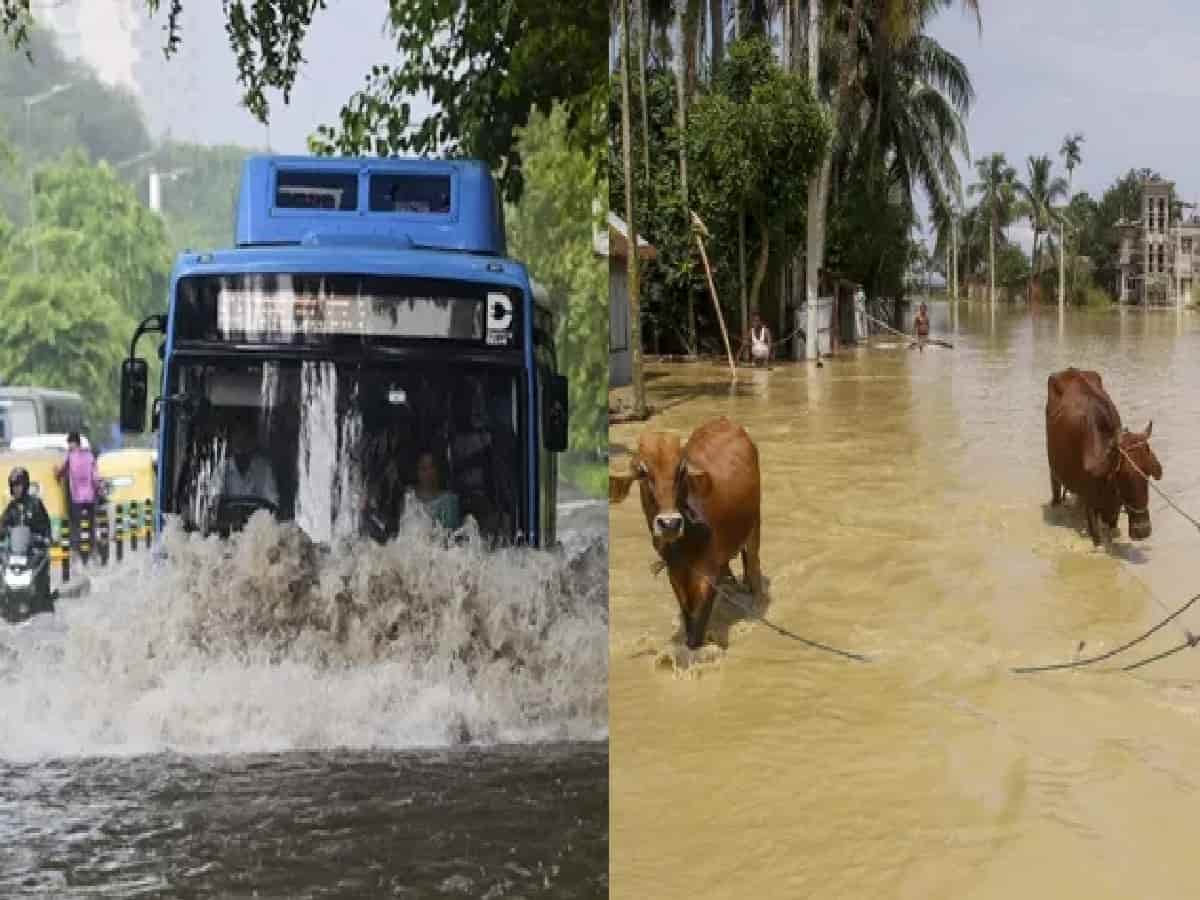
India's traditional weather systems are undergoing a profound and critical transformation. According to groundbreaking research conducted by scientists at the Indian Institute of Technology (IIT) Roorkee, the country's monsoon patterns are shifting dramatically, resulting in less frequent rainy days offset by torrential, high-intensity downpours. This structural shift in precipitation is projected to significantly heighten the risks of flash floods, urban waterlogging, and extreme weather emergencies across vast regions of the country in the coming decades.
Advanced Climate Models Reveal Extreme Shifts by 2100
To arrive at these concerning findings, researchers utilized 13 advanced global climate models alongside a sophisticated statistical methodology. Unlike older bias-correction techniques that adjusted rainfall and temperature data separately—often distorting the physical correlation between rising temperatures and heavy precipitation—the IIT Roorkee team's approach meticulously preserves this relationship. This ensures that the generated projections remain physically realistic and dependable for critical disaster planning.
The analysis tracked the proportion of total monsoon season rainfall occurring strictly on the wettest days. The projections indicate that under high greenhouse gas emission scenarios, the contribution of very wet days to total monsoon rainfall could surge by 25% to more than 40% by the year 2100, impacting large swaths of western, central, and eastern India compared to baseline data from 1985 to 2014. While these accelerated trends become pronounced in the latter half of the century, early markers are already visible in projections spanning 2021 to 2050.
Rising Nighttime Temperatures and Atmospheric Factors
Beyond shifting rainfall volume, the study uncovered important shifts in thermal patterns across the subcontinent. Researchers observed that minimum nighttime temperatures are climbing at a faster rate than maximum daytime temperatures, particularly across northern, western, and central India. Scientific indicators link this phenomenon to lingering atmospheric haze and aerosol pollution, which trap surface heat long after sunset.
Urgent Need to Overhaul Infrastructure and Disaster Preparedness
The implications of this climate evolution demand immediate attention from urban planners, policymakers, and disaster management agencies. With the same annual volume of rainfall projected to compress into shorter, more violent spells, existing urban drainage systems, reservoir management protocols, and flood forecasting networks risk becoming obsolete. The study emphasizes that India's climate is transitioning toward higher volatility and unpredictability, requiring an urgent upgrade of civic infrastructure and early-warning frameworks to safeguard agricultural productivity and human lives.