







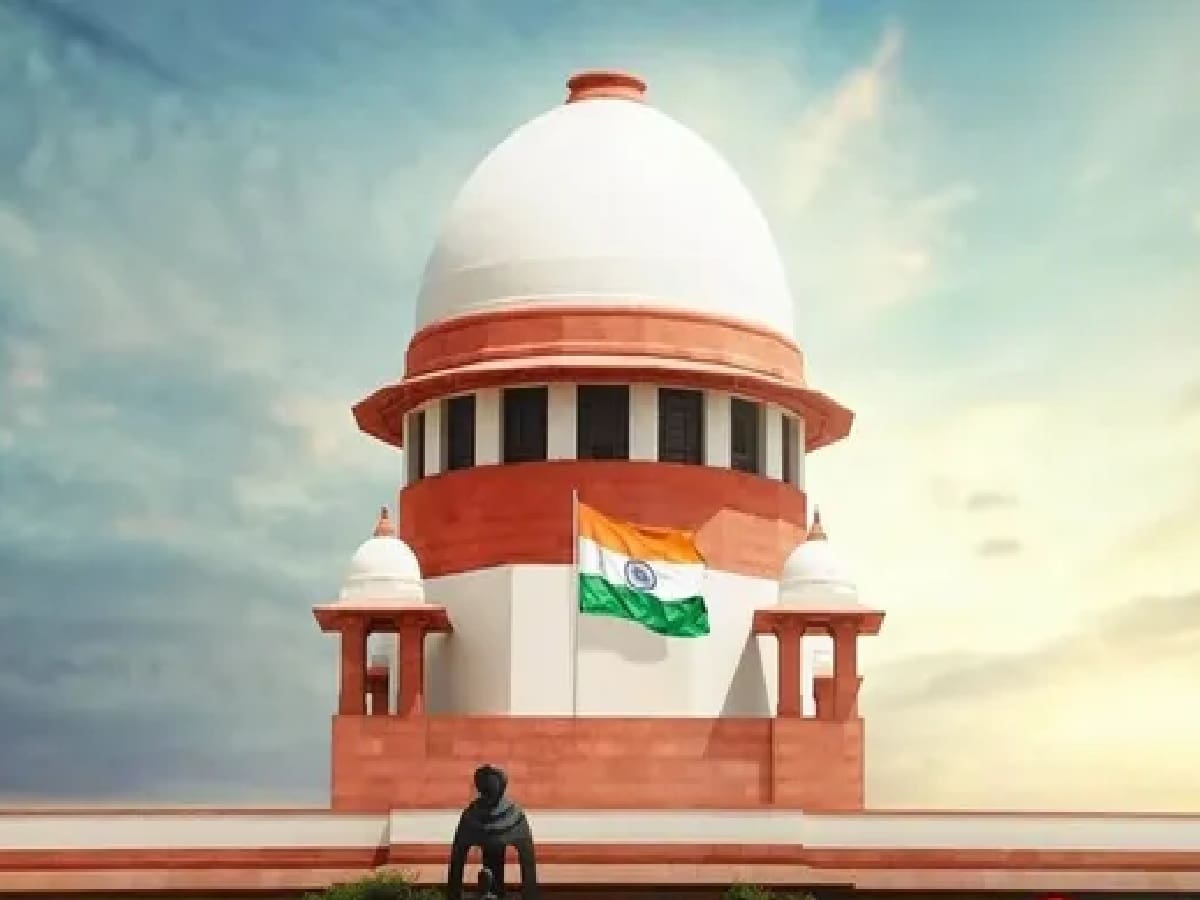
Centre Caught in Legal Knot Between Supreme Court & CAT Over Rohit Nathan Ruling
The contentious debate surrounding Other Backward Classes (OBC) quota benefits in premier civil services and central public sector recruitment has flared up once again, landing the Union Government in an intricate judicial dilemma. Embroiled in conflicting stances taken before two premier legal bodies—the Supreme Court of India and the Central Administrative Tribunal (CAT)—the central administration is urgently navigating legal avenues to harmonize its position on determining the "creamy layer" threshold. At the epicenter of this administrative tangle is the landmark March 11 ruling in the Rohit Nathan case, which fundamentally challenged long-standing bureaucratic metrics used to exclude high-ranking OBC aspirants whose parents serve in public sector undertakings (PSUs) and autonomous public financial institutions.
The Rohit Nathan Precedent: Decoding the Salary Exclusion Rule for PSU Families
The root of the legal battle traces back to the Supreme Court's decisive verdict on March 11, wherein the apex court clarified the statutory interpretation of parental income criteria for non-creamy layer (NCL) status. The top court reaffirmed that parental salary and agricultural earnings must strictly be excluded when computing gross annual income to assess creamy layer status, aligning with the foundational Office Memorandum issued back in 1993. For over a decade, the Department of Personnel and Training (DoPT) had pursued a divergent policy by pooling the salary earnings of PSU employees to determine eligibility, categorizing their wards under the creamy layer and consequently barring them from reservation benefits. The Rohit Nathan ruling overturned this practice, throwing a lifeline to dozens of successful civil service candidates who had qualified the Union Public Service Commission (UPSC) exams over the past ten years but were denied service allocations due to contentious income calculations.
Divergent Stances: The Basant Singh CAT Hearing and Conflicting Affidavits
The government's administrative headache worsened when another aggrieved OBC aspirant, Basant Singh, whose circumstance closely mirrored the candidates in the Rohit Nathan litigation, approached the Central Administrative Tribunal seeking parity and prompt appointment. During proceedings before the tribunal on August 19, government legal representatives made an explicit commitment, placing on record that the Centre was actively working to implement the Rohit Nathan ruling. However, in a stark administrative divergence, the Union Government approached the Supreme Court just six days later on August 25, filing a formal application seeking modification, review, and urgent clarification of the very same judgment. This simultaneous maneuver exposed an awkward institutional contradiction: assuring compliance before the administrative tribunal while actively resisting the mandate before the nation's highest constitutional bench.
Corrective Affidavit Filed in CAT: All Eyes on the Supreme Court's Final Stance
Scrambling to resolve the legal discord and mitigate judicial reprimands, the Centre submitted a fresh corrective affidavit before the CAT on Monday. In its revised application, the government formally requested the tribunal to alter its August 19 order, urging it to expunge the prior assertion indicating an unreserved decision to implement the verdict. Government counsel submitted that because a formal modification petition remains pending before the Supreme Court, any policy execution or appointment directive must remain strictly conditional on the outcome of the apex court's definitive ruling. By rectifying the official record in the tribunal, the administration aims to prevent legal ambiguities that could lead to contempt proceedings, even as hundreds of impacted OBC candidates await clarity on their civil service appointments.