







Centre Airlifts 250 RAF Riot-Control Troops to Pasighat After Violent Protests
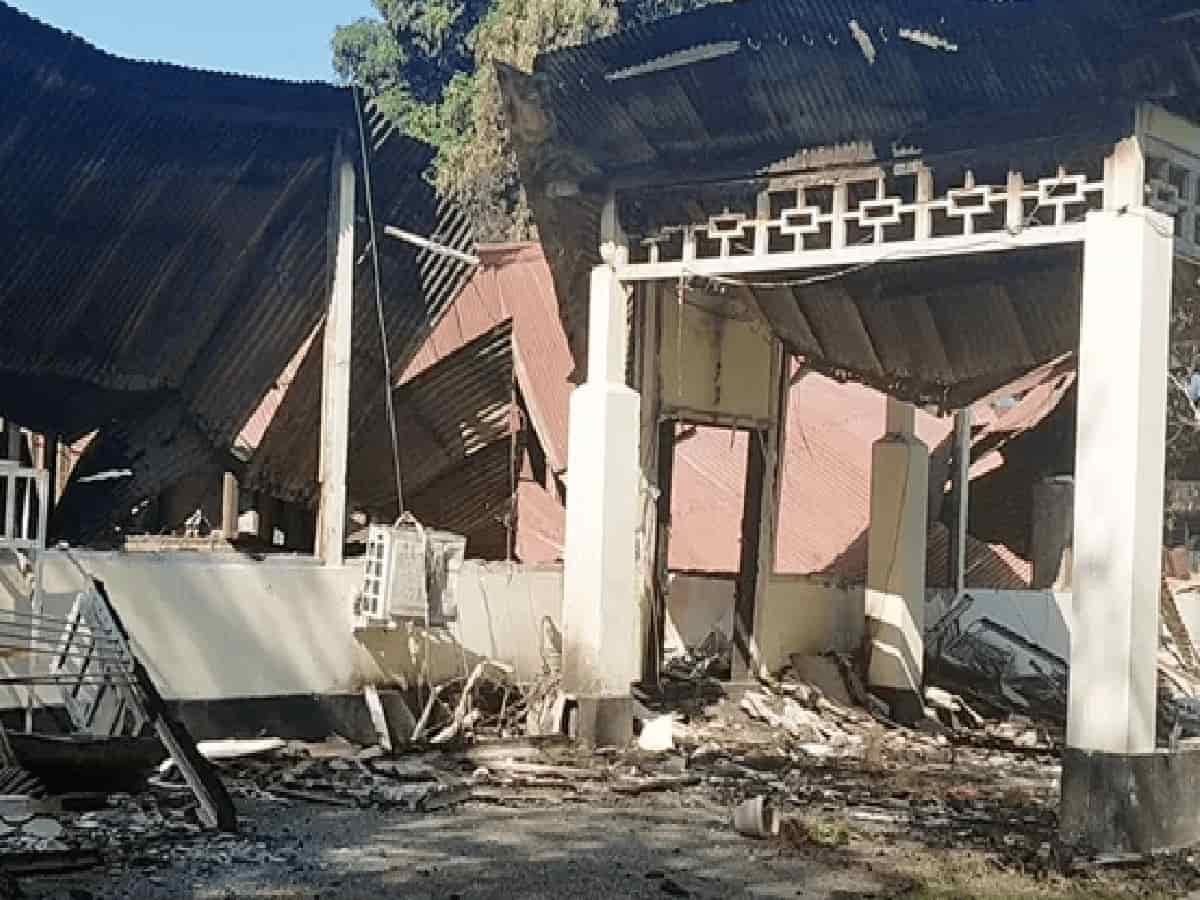
Escalating tribal unrest over the proposed 11,200 MW Siang Upper Multipurpose Project has triggered high-level security mobilization in Arunachal Pradesh, prompting the central government to intervene swiftly. Following nine hours of violent clashes, arson, and heavy stone-pelting in Pasighat within East Siang district that left more than 40 police personnel injured, the Union Ministry of Home Affairs ordered the emergency airlifting of two companies—comprising approximately 250 personnel—of the Rapid Action Force (RAF), the specialized anti-riot wing of the Central Reserve Police Force (CRPF). Transported directly from Navi Mumbai aboard Indian Air Force aircraft, the blue-uniformed riot control units are being deployed across sensitive urban corridors on Sunday, October 25, 2026, to restore stability after miscreants torched public utilities and vandalized the private residences of senior legislators.
Midnight Mayhem in Pasighat: NHPC Office Torched and Legislators' Residences Ransacked
The agitation turned destructive shortly after a day-long civic bandh concluded on Friday night:
-
Arson at Strategic Facilities: Unidentified miscreants stormed and set ablaze the regional office of the National Hydroelectric Power Corporation (NHPC) alongside a local police station in Pasighat.
-
Targeting Political Representatives: The mob targeted political leadership, ransacking and looting the private residences of the state Bharatiya Janata Party (BJP) president as well as two sitting Members of the Legislative Assembly (MLAs).
-
Extended Clashes Leave 40 Injured: Stone-pelting and street confrontations persisted for nearly nine hours until 3:30 AM on Saturday, resulting in injuries to over 40 law enforcement personnel who attempted to maintain security cordons.
-
Prohibitory Curbs Clamped: Confronted with escalating lawlessness, the district administration enforced immediate prohibitory orders, completely banning public assemblies, rallies, and processions across Pasighat, Mebo, and Ruksin administrative subdivisions.
Centre's Strategic Airlift: RAF and CRPF Form Security Umbrella
To prevent further breakdown of law and order in the frontier border state, central security forces have established firm ground perimeters:
-
IAF Airlift from Navi Mumbai: On directives issued by the Ministry of Home Affairs, two dedicated companies of the specialized RAF were mobilized from their western base in Navi Mumbai and flown directly to Pasighat using Indian Air Force transport carriers.
-
Reinforcing Stationed Battalions: The new anti-riot contingent integrates with two to three CRPF battalions permanently stationed in Arunachal Pradesh for counter-insurgency and internal security duties.
-
De-escalation Measures: CRPF personnel took control of high-risk public intersections starting Friday night, establishing barricades to prevent the unrest from spreading across the neighboring river valleys.
Chief Minister Pema Khandu's Appeal: Democratic Dissent vs Unlawful Destruction
Responding to the property damage and administrative disruption, the Arunachal Pradesh state government issued an appeal for peace:
-
Democratic Space vs Vandalism: Chief Minister Pema Khandu stated that while the constitutional right to express peaceful dissent remains fundamental to a democratic framework, demonstrations must operate strictly within the rule of law.
-
Zero Tolerance for Property Damage: The Chief Minister condemned the targeting of public infrastructure and residential quarters, warning that arson and violence only subvert legitimate civic dialogue.
-
Bandh Assessment: A release from the Chief Minister's Office (CMO) highlighted that while the initial 12-hour bandh called across Siang, Upper Siang, and East Siang districts remained largely peaceful during daylight hours, rogue elements hijacked the movement after the shutdown expired.
The Geopolitical Impasse: National Defense Strategy vs Indigenous Tribal Survival
The escalating tension around the 11,200 MW multipurpose undertaking reflects deep-rooted regional and ecological anxieties:
-
Strategic Counter-Weight to China: New Delhi conceptualized the massive 11,200 MW Siang Upper Multipurpose Project primarily as a strategic counter-measure against China’s colossal dam-building spree along the upper reaches of the Yarlung Tsangpo in Tibet, aiming to regulate downstream river flows and secure freshwater sovereignty.
-
Fears of Massive Submergence: Indigenous tribal communities across the Siang valley have staged resistance against the megaproject, warning that the dam’s vast reservoir will submerge dozens of ancestral villages.
-
Loss of Fertile Lands and Heritage: Demonstrators assert that the inundation will destroy historical low-lying agricultural plains, disrupt riverine ecosystems, and sever centuries-old socio-cultural links tied to the sacred Siang River.




