CEC Gyanesh Kumar's Z+ Security Amid Fierce Protests Over Voter List Revision
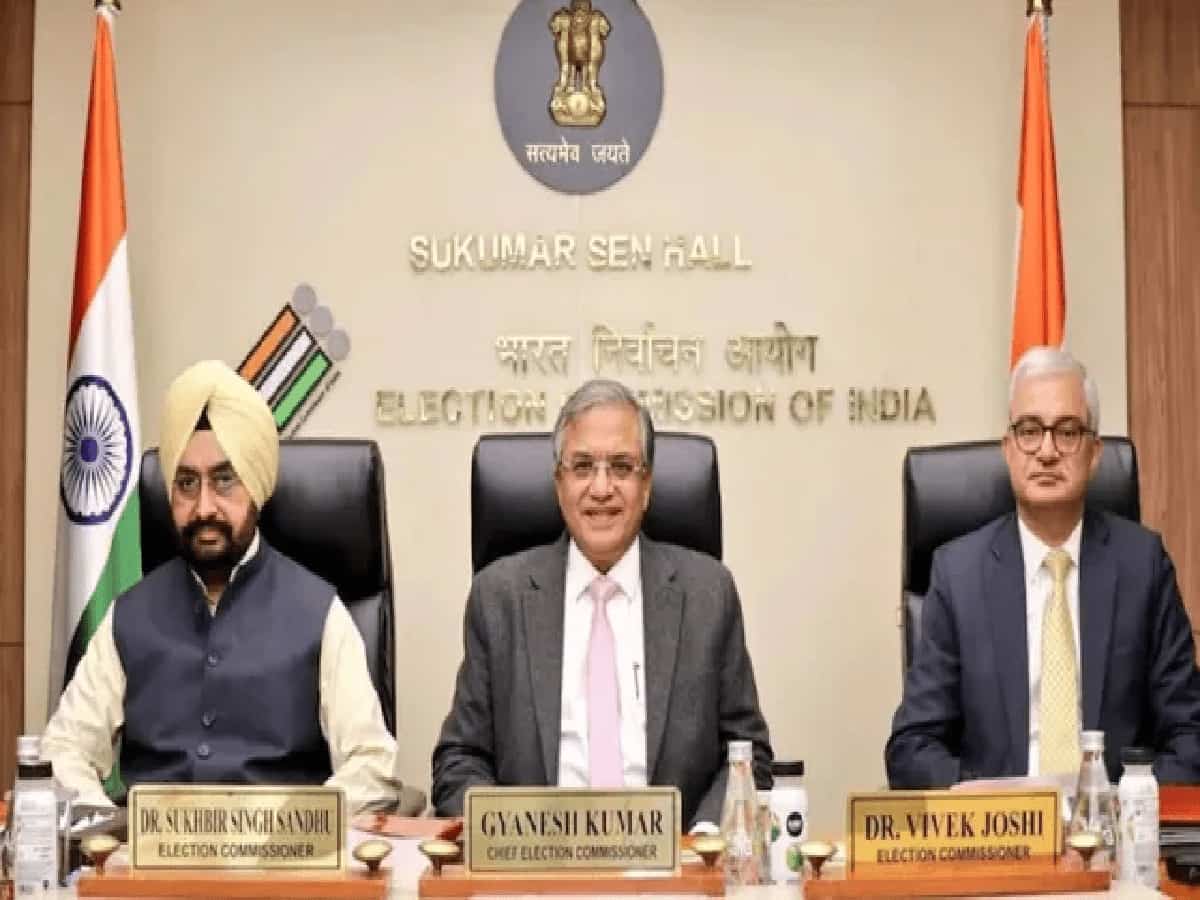
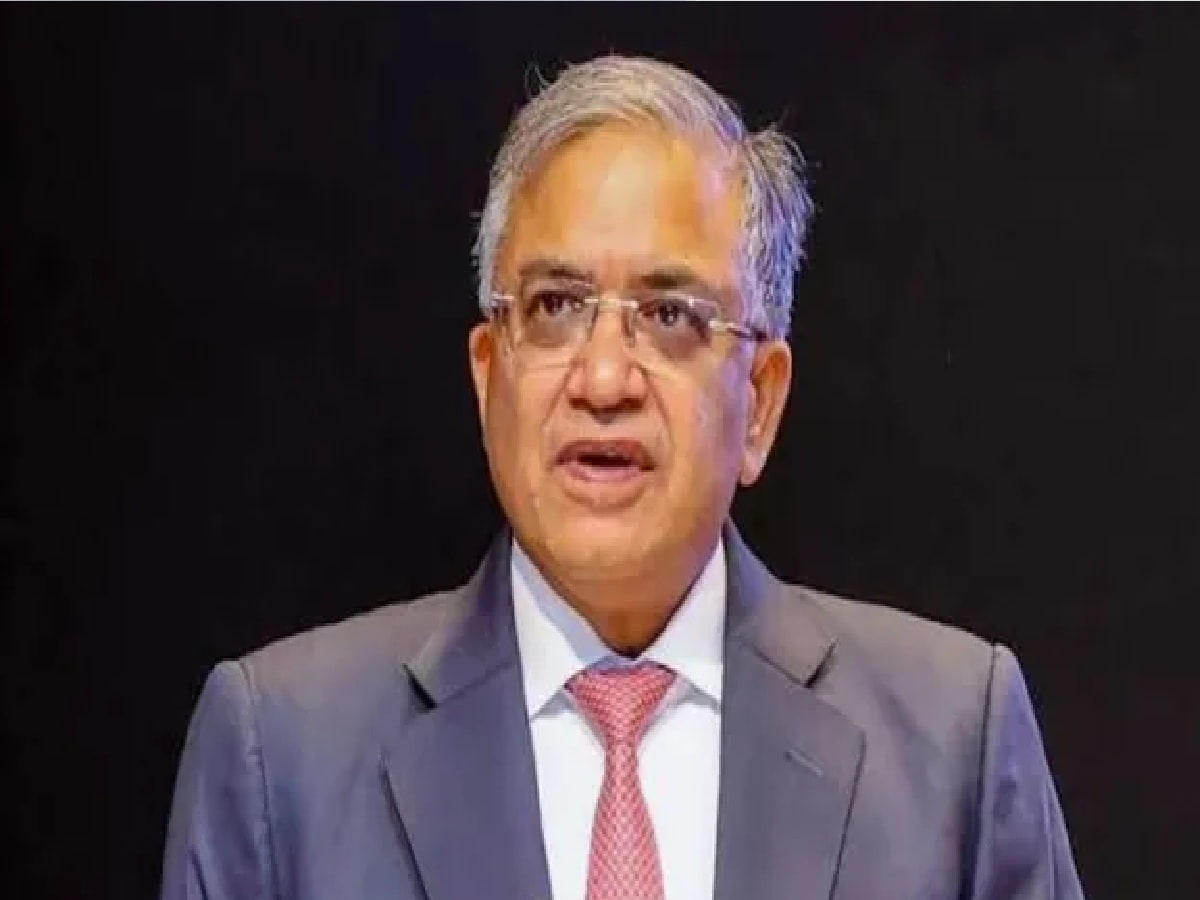
Following a series of intense street demonstrations and escalating political agitation over alleged irregularities in the Special Intensive Revision (SIR) of electoral rolls, the Ministry of Home Affairs has significantly reinforced the Z-plus security cover of Chief Election Commissioner (CEC) Gyanesh Kumar. Intelligence agencies initiated an emergency security review following coordinated demonstrations staged outside the election chief's residences in both New Delhi and Agra. Under the revamped security protocol, specialized armed contingents, mobile escort details, and perimeter surveillance teams have been substantially expanded across all operational zones and personal transit routes to thwart potential security breaches.
Fortress Around Residence: Paramilitary Deployment in New Moti Bagh
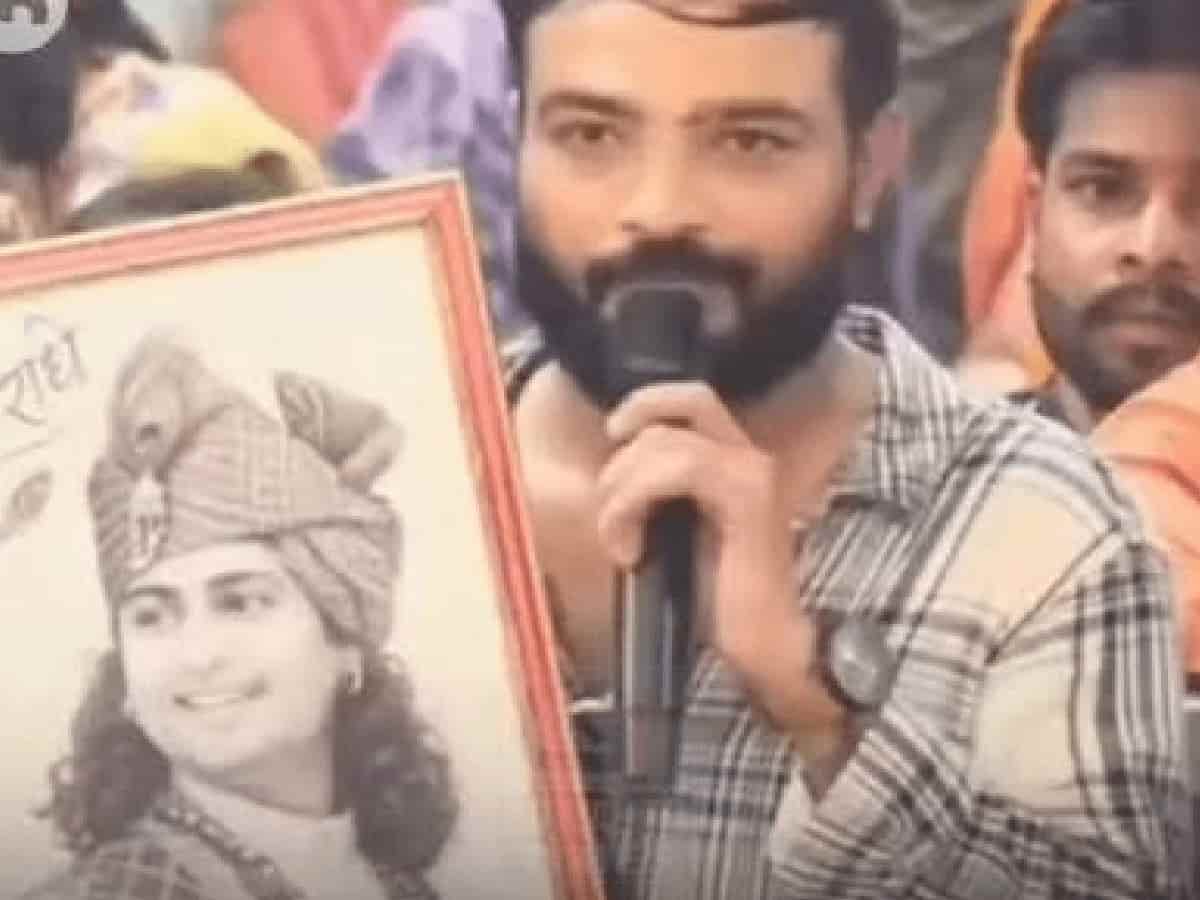
The residential perimeter around the Chief Election Commissioner's official quarters in New Moti Bagh Colony has been transformed into a high-security zone. Dedicated contingents of paramilitary personnel have been stationed directly outside the residential enclave, supported by mobile response vehicles and static guard posts. Security officers have instituted strict access control systems, subjecting every visiting vehicle and individual to multi-layered identity verification and physical checks. The tactical upgrade comes directly in the backdrop of a high-voltage protest staged on September 27 by Indian Youth Congress cadres, who had gathered outside the CEC's residence to demand his resignation over voter deletion allegations before being cordoned off and dispersed by Delhi Police.
Multi-Agency Shield at Nirvachan Sadan: Ashoka Road Headquarters Secured
Simultaneously, the Election Commission of India's headquarters, Nirvachan Sadan on Ashoka Road, has been placed under heavy security surveillance. Alongside the permanent deployment of the Central Industrial Security Force (CISF), tactical commandos from the Central Reserve Police Force (CRPF), anti-riot units of the Rapid Action Force (RAF), and specialized divisions of the Delhi Police have thrown a tight multi-layered perimeter around the building. Metal detectors, rapid-reaction barricades, and round-the-clock visual monitoring have been established across entry and exit gates to ensure uninterrupted administrative functioning of the electoral body amid growing political confrontations.