







BJP Slams Congress Over 'Hit-and-Run' Claims as Jairam Ramesh Demands CEC
A fierce political face-off has ignited between the Bharatiya Janata Party (BJP) and the Indian National Congress over the provision of machine-readable voter rolls and allegations of duplicate entries in electoral databases. The ruling BJP mounted a sharp offensive against the Congress party, accusing its leadership of indulging in habitual "blame and run" politics without submitting verified evidentiary affidavits. The friction erupted in the wake of the Election Commission of India's (ECI) directive to supply searchable electronic voter rolls across 17 states and Union Territories undergoing Special Summary Revision (SSR), a reform the grand old party claimed was forced by nationwide public agitations against alleged electoral irregularities.
BJP Calls Out 'Hit-and-Run' Claims: Why Rahul Gandhi Never Filed Mahadevapura Affidavit
The BJP's counter-attack centered on unverified public allegations made by the opposition regarding electoral manipulation in key assembly constituencies:
-
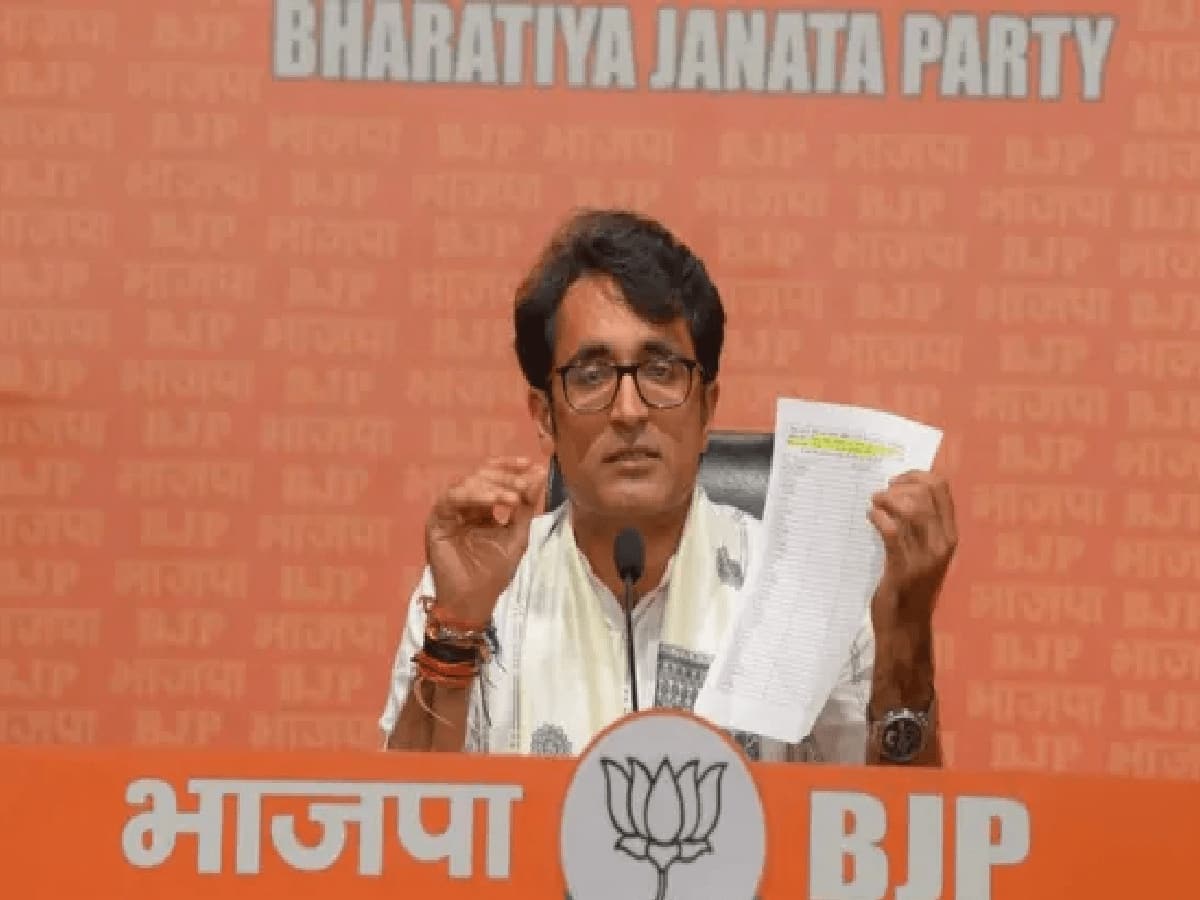
Unsubstantiated Karnataka Allegations: BJP national spokesperson Pradeep Bhandari questioned why Congress leader Rahul Gandhi had failed to submit a sworn affidavit or lodge a formal statutory complaint after publicly claiming last year that over 100,000 fraudulent voter names were lodged in Karnataka’s Mahadevapura assembly segment.
-
Critique of Legal Standing: Bhandari asserted that the opposition's reluctance to place documented evidence before statutory election authorities reveals a deliberate pattern of sensationalizing institutional doubts while avoiding perjury liabilities.
-
Supreme Court Scrutiny: Directly addressing Congress communications chief Jairam Ramesh, the BJP spokesperson claimed the opposition lacks confidence in its legal submissions before the Supreme Court, where opposition parties filed a writ petition on October 12 alleging arbitrary, mass deletions of genuine electors during Special Intensive Revision (SIR) exercises.
Congress Mounts Counter-Offensive: Ramesh Blames ECI for Eight-Year Delay in Searchable Lists
The Congress party defended its campaign by pointing to longstanding grievances concerning the availability of digital, searchable electoral rolls:
-
Tracing the 2018 Precedent: Congress General Secretary in charge of Communications Jairam Ramesh alleged that the poll panel halted the supply of searchable text-format lists back in 2018 when the party uncovered large-scale duplicate voter entries in Madhya Pradesh.
-
Accusations of Systematic Delay: Ramesh maintained that constitutional requests for digital, readable rolls were systematically stonewalled for eight years, claiming that non-searchable image-based PDFs prevented political booth-level agents from auditing electoral records effectively.
-
The October 15 Directive: The opposition claimed that sustained pressure compelled the Commission to issue an order on October 15, 2026, mandating the release of searchable voter databases for the SSR process across 17 states and Union Territories after a two-year hiatus.
High-Stakes Demand: Opposition Seeks Resignation of CEC Gyanesh Kumar and Complete IT Audit
The standoff has escalated into a direct challenge against the administrative leadership and technological framework of Nirvachan Sadan:
-
Demand for Chief Election Commissioner's Resignation: Jairam Ramesh reiterated the opposition's uncompromising call for the resignation of Chief Election Commissioner Gyanesh Kumar, alleging administrative bias and compromised regulatory independence.
-
Comprehensive Technological Overhaul: The Congress leadership demanded a thorough, independent forensic audit of the Election Commission's entire IT infrastructure and database management systems to eliminate loopholes that permit wrongful deletions or phantom registrations.
-
National Political Impasse: With the Supreme Court seized of the matter and state elections approaching across multiple regions, the battle over electoral roll transparency and regulatory accountability has emerged as the central flashpoint in Indian democratic politics.




