




Bengaluru Hospital Sets Up Special Nepal Flood DNA Collection Centre to Help Identify Tragic Victims
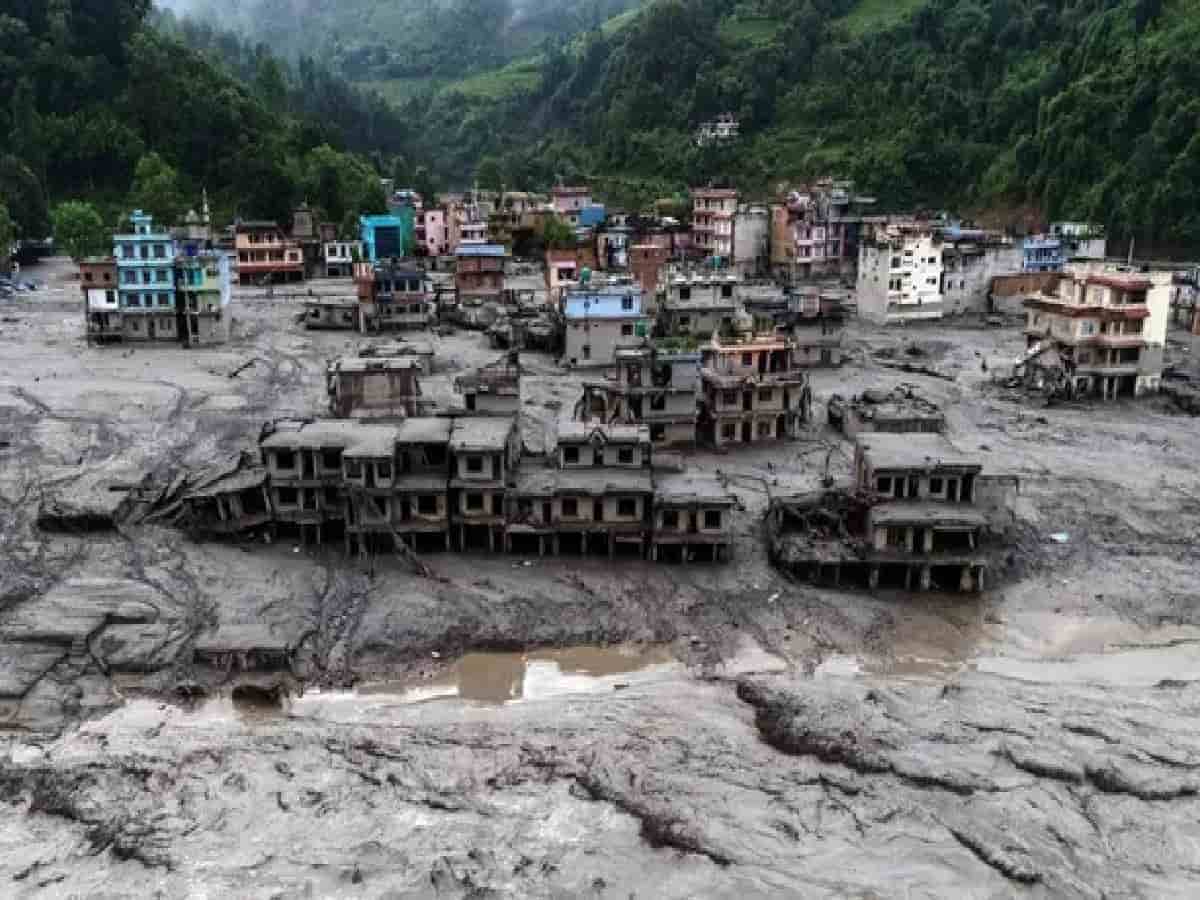
Following the catastrophic and devastating floods that struck Nepal, leaving a trail of unprecedented destruction, rescue and recovery teams have pulled 1,344 bodies from the thick debris so far. However, identifying the deceased remains an agonizing challenge for grieving families, with only 98 bodies successfully returned and over 700 interred in temporary burials.
In a crucial humanitarian mission aimed at bringing closure to affected families, a premier medical institution in Bengaluru has stepped up. Boring and Lady Curzon Hospital has officially inaugurated a dedicated nodal collection centre to gather DNA samples from relatives residing in India, aiding the massive cross-border identification effort currently underway in Nepal.
Nodal Centre Formally Established at Boring and Lady Curzon Hospital
Operating under direct governmental instructions, the newly established facility in Bengaluru is designed to streamline the collection of biological specimens from close relatives of individuals still missing or feared dead in the Nepal disaster.
Director and Dean of Boring and Lady Curzon Hospital, confirmed that the specialized centre functions as an essential logistical bridge. The facility systematically collects blood samples from family members and securely dispatches them to specialized Forensic Science Laboratories (FSL) for high-precision genetic profiling and matching.
How Relatives Can Provide Samples for DNA Fingerprinting
To ensure absolute accuracy and prevent administrative errors during this sensitive process, hospital authorities have outlined clear protocols for families coming forward. Dr. Nagesh Kuppast, head of the forensic medicine department at the hospital, emphasized that family members wishing to undergo DNA fingerprinting must present valid government-issued identification alongside proof of relationship.
Explaining the genetic science behind the identification process, forensic experts noted that samples collected from first-degree relatives—such as a biological father, mother, son, or daughter—yield a 50 percent genetic match profile. Meanwhile, genetic material from second-degree relatives offers a 25 percent match threshold. These scientific benchmarks are vital for cross-referencing samples with the thousands of profiles already logged by authorities.
Massive Cross-Border Identification Effort Underway
The Bengaluru initiative complements extensive ground operations being led by forensic experts from India stationed in Nepal, alongside local law enforcement agencies. According to official figures released by the Nepal Police, authorities have already collected a staggering 2,272 DNA samples to fast-track identification.
This total comprises 1,260 biological samples extracted from recovered bodies and 1,012 reference samples provided by families searching for missing loved ones. With more than 1,030 bodies temporarily buried while awaiting conclusive identification, international cooperation and advanced forensic science remain the greatest hope for families seeking answers.