







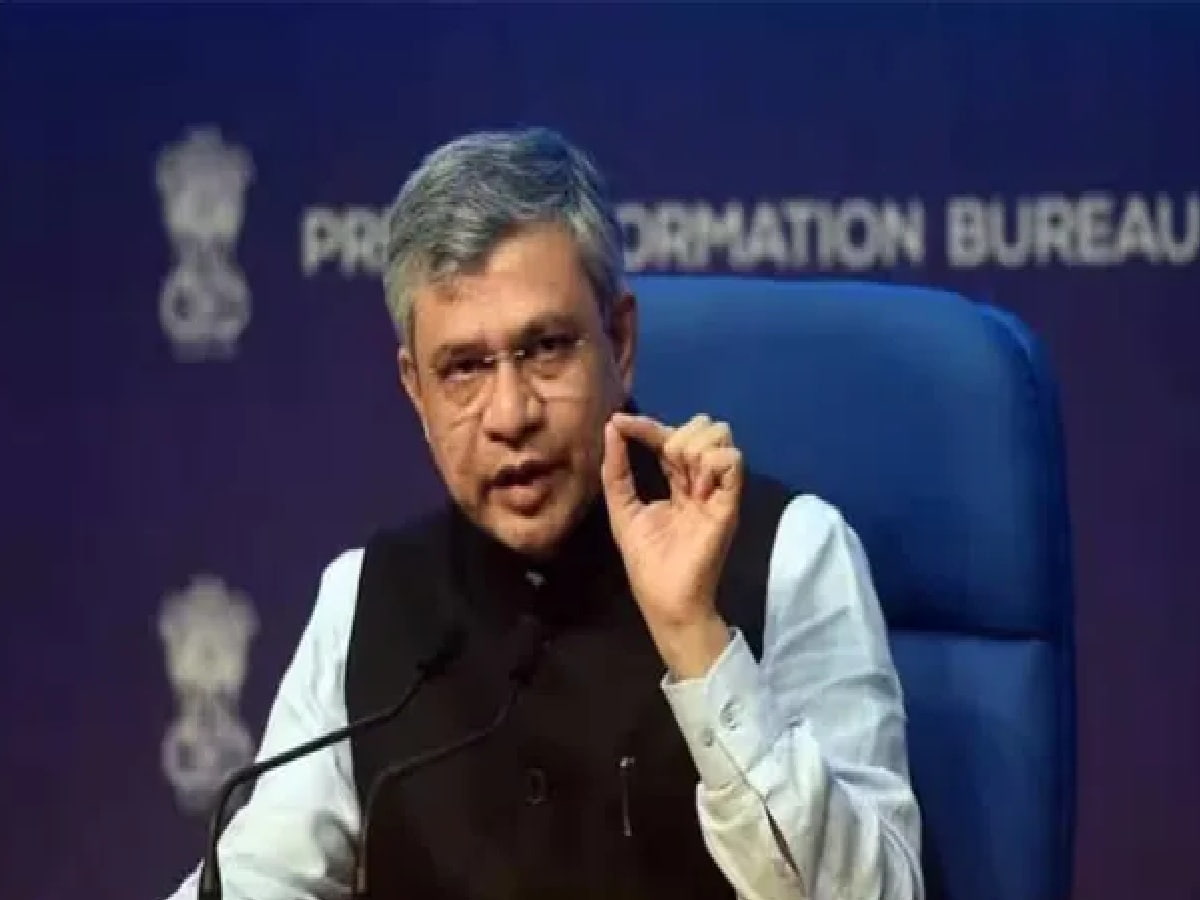
Ashwini Vaishnaw Invites Editors to Clear Privacy Law Doubts
Addressing mounting anxieties across the country's media fraternity, Union Minister for Electronics and Information Technology Ashwini Vaishnaw firmly dismissed assertions that the Digital Personal Data Protection (DPDP) Act would constrain investigative journalism, extending an open invitation to editors, newsroom leaders, and media professionals to engage in structured consultations with the government. Speaking in New Delhi on Wednesday, the minister affirmed that freedom of the press remains an uncompromised constitutional guarantee that no statutory legislation can dilute, emphasizing that the privacy regime is engineered to prevent the illicit commercial exploitation and unauthorized processing of citizens' private information rather than impede legitimate, public-interest reportage. The central outreach comes against the backdrop of multiple legal challenges filed by press bodies and news organizations, who argue that statutory ambiguities surrounding consent exemptions could jeopardize whistleblowers, confidential sourcing, and high-impact investigative exposes.
Constitutional Safeguards vs Data Misuse: Vaishnaw Distinguishes Legitimate Reporting
Outlining the legislative philosophy underpinning the data framework, Vaishnaw reiterated that the DPDP Act was formulated to translate the Supreme Court’s landmark right-to-privacy verdict into a robust statutory instrument, developed following over a year of intensive consultations across print publications, broadcast networks, technology conglomerates, and civil society bodies. The minister clarified the critical legal distinction between the unlawful harvesting and commodification of sensitive personal data and its responsible deployment in journalistic inquiries, noting that data protection mechanisms are never intended to suppress newsworthy developments or curtail editorial autonomy. Stressing that media freedom draws its legitimacy directly from the Constitution of India, Vaishnaw assured the journalistic fraternity that the central government remains receptive to feedback and stands ready to evaluate industry recommendations to address perceived ambiguities.
Media Anxieties Over Consent Exemptions and Potential Legislative Tweaks
The minister's proactive invitation directly addresses core grievances raised by leading media bodies, which argue that the absence of explicit, categorical carve-outs for journalistic operations could expose investigative reporters to statutory liabilities when handling leaked dossiers, corporate papers, or unconsented personal records vital to uncovering administrative corruption. News organizations have expressed acute apprehension over statutory mechanisms that might inadvertently force the disclosure of confidential sources or obstruct public interest reporting. While insider government sources indicated that the Centre may evaluate targeted legislative amendments if specialized legal protections for newsgathering are deemed indispensable, Vaishnaw maintained that the existing constitutional architecture provides an unassailable shield for legitimate journalists, urging editorial leadership to participate in forthcoming discussions to establish practical clarity without undermining national data security frameworks.




