7,300+ Judge Posts Vacant in Lower Courts: Karnataka & UP Worst Hit
District and subordinate trial courts across India are operating under acute administrative stress, with more than a quarter of all sanctioned judicial positions remaining unfilled. Official figures released by the Ministry of Law and Justice reveal that as of August 3, 2026, the lower judiciary had an operational workforce of only 23,558 judges functioning against an aggregate sanctioned strength of 30,868 judicial officers. This deficit leaves 7,310 trial court benches vacant across the country. Because district courts represent the foundational bedrock of India's justice delivery ecosystem—handling over eighty percent of civil disputes and criminal litigations—this widespread deficit continues to strain existing courtrooms and compound pendency backlogs.
Karnataka and Uttar Pradesh Lead Shortages: State-Wise Breakdown of Vacancies
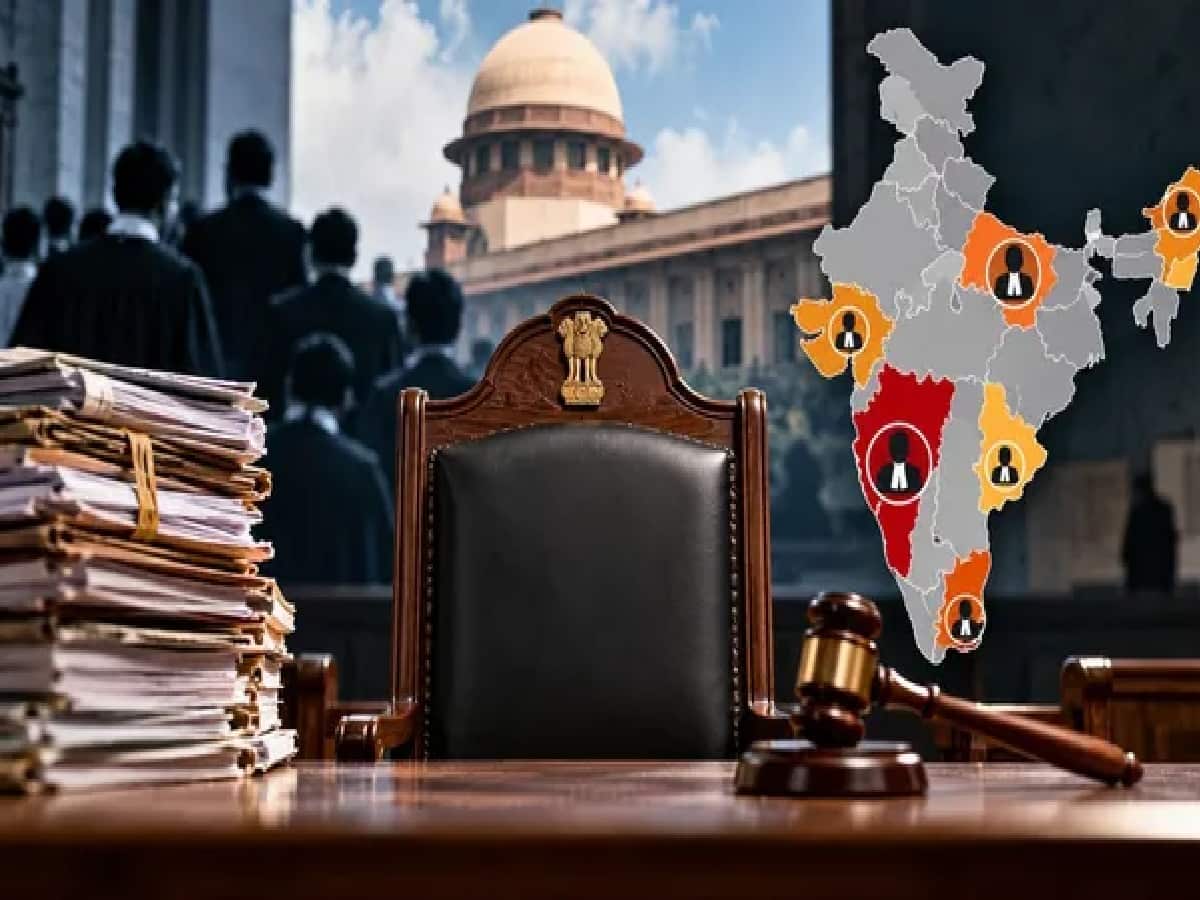
Among individual states, Karnataka recorded the most severe shortfall in subordinate judicial strength. The southern state currently has 1,640 vacant judicial posts, representing a 58 percent deficit against its total sanctioned strength. In absolute numerical terms, Uttar Pradesh holds the second-highest tally of empty judicial benches, with 1,082 posts lying vacant, translating to a 29 percent vacancy rate across its extensive district judiciary network. Severe shortfalls persist across multiple other states, with judicial vacancy proportions consistently surpassing the twenty percent benchmark: Gujarat reports 535 vacant posts (31 percent), Jharkhand has 212 vacancies (30 percent), Odisha stands at 329 vacancies (27.8 percent), Arunachal Pradesh at 14 (26.4 percent), Chhattisgarh at 177 (26.1 percent), Andhra Pradesh at 174 (23.5 percent), Telangana at 145 (23.4 percent), and West Bengal logs 230 unfilled posts (20.8 percent).
Structural Bottlenecks in Case Disposal and the Urgency of Rapid Recruitment
The wide gap between sanctioned and working judicial strength in district courts creates immediate consequences for everyday litigants, delaying bail hearings, trials, and final case resolutions. Legal experts and judicial reform panels point out that subordinate court recruitments fall under the administrative jurisdiction of respective state High Courts and State Public Service Commissions, meaning that delays in notification schedules, multi-tier exam conduct, and final appointments directly impact judicial efficiency. Addressing these systemic vacancies through accelerated recruitment drives, time-bound judicial service examinations, and enhanced court infrastructure remains imperative to clearing case arrears and safeguarding the constitutional promise of swift, accessible justice.