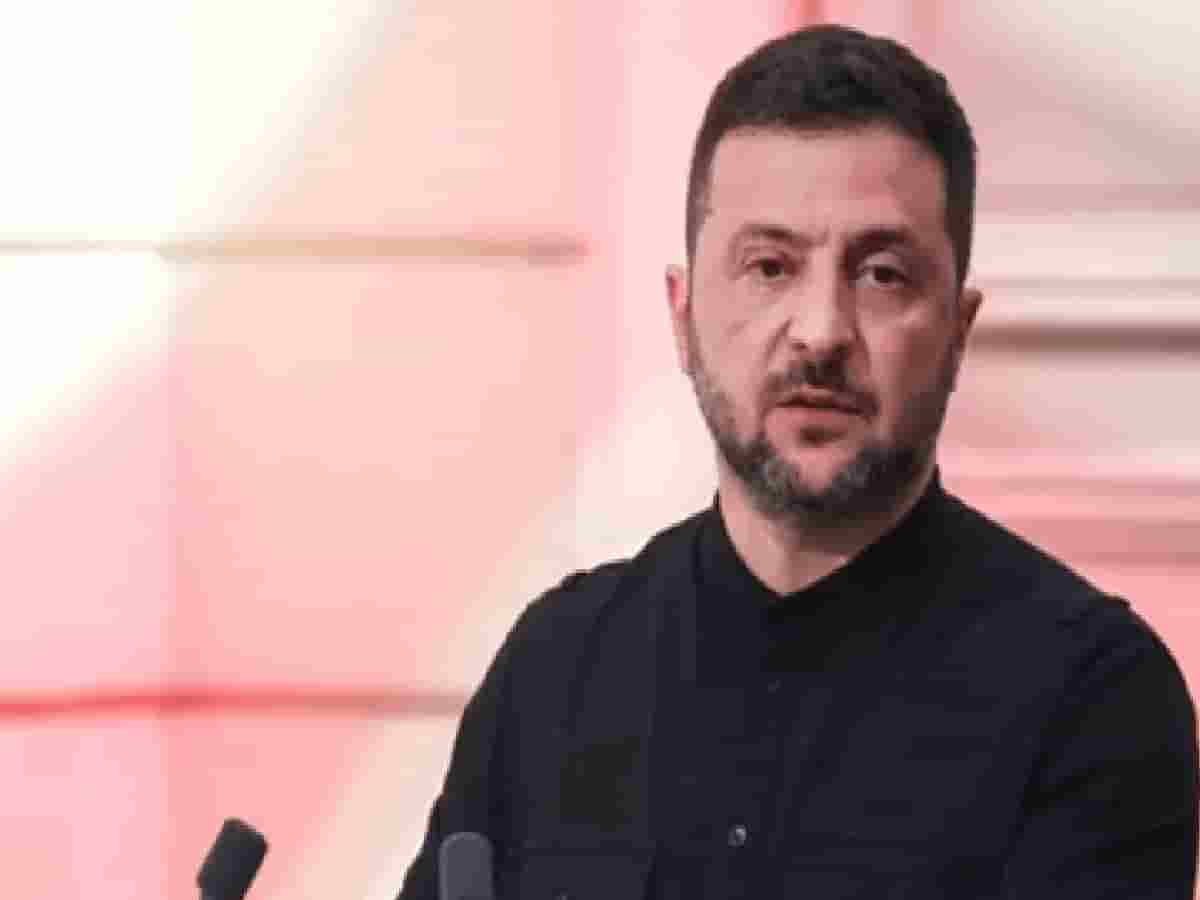
Zelensky’s Political Ground Shakes: Ukrainian President Courts Pro-Russian Serbia for Ammunition Amid Surging Domestic Rivalry
Ukrainian President Volodymyr Zelensky is navigating one of the most precarious phases of his tenure as political pressure mounts on the domestic front while the war with Russia intensifies. Recent public opinion data from a Sosys survey reveals a dramatic shift in Ukraine's political landscape, predicting that if the nation holds a runoff presidential election, Zelensky could face a decisive defeat against his primary political rival. As domestic support fluctuates and the military conflict reaches new levels of volatility, Zelensky's diplomatic moves and battlefield adaptations are drawing intense global attention.
Plunging Approval Ratings and the Rise of Valery Zaluzhny
According to the latest polling metrics, President Zelensky is projected to capture roughly 33.8 percent of the vote in a hypothetical second-round matchup. In stark contrast, former army chief Valery Zaluzhny commands a massive lead, pulling in 66.2 percent of projected support. This widening political gap highlights growing domestic fatigue and mounting pressure on Zelensky to maintain his grip on power while simultaneously managing a grueling, multi-front military defense against Russian forces.
Strategic Diplomatic Pivot: Wooing Pro-Russian Serbia
In a surprising and highly calculated geopolitical move, Zelensky undertook his first-ever official visit to Serbia amid this domestic turmoil. Traditionally, Serbia has maintained deeply rooted ties with Moscow, serving as one of Russia's strongest allies in Europe. Serbian President Aleksandar Vucic commands a strong pro-Putin support base, and Belgrade has consistently resisted Western economic sanctions against Russia.
Despite these diplomatic alignments, Zelensky's outreach to Serbia is driven by urgent military necessity. Ukraine desperately requires vast quantities of ammunition, artillery shells, and military hardware to sustain its frontline defenses—supplies that Serbia's robust defense manufacturing sector is capable of producing. Reports also indicate that Ukraine and Serbia are exploring avenues to establish a joint drone manufacturing facility backed by United Arab Emirates (UAE) investment.
Relentless Russian Missile Barrages and Vulnerable Air Defenses
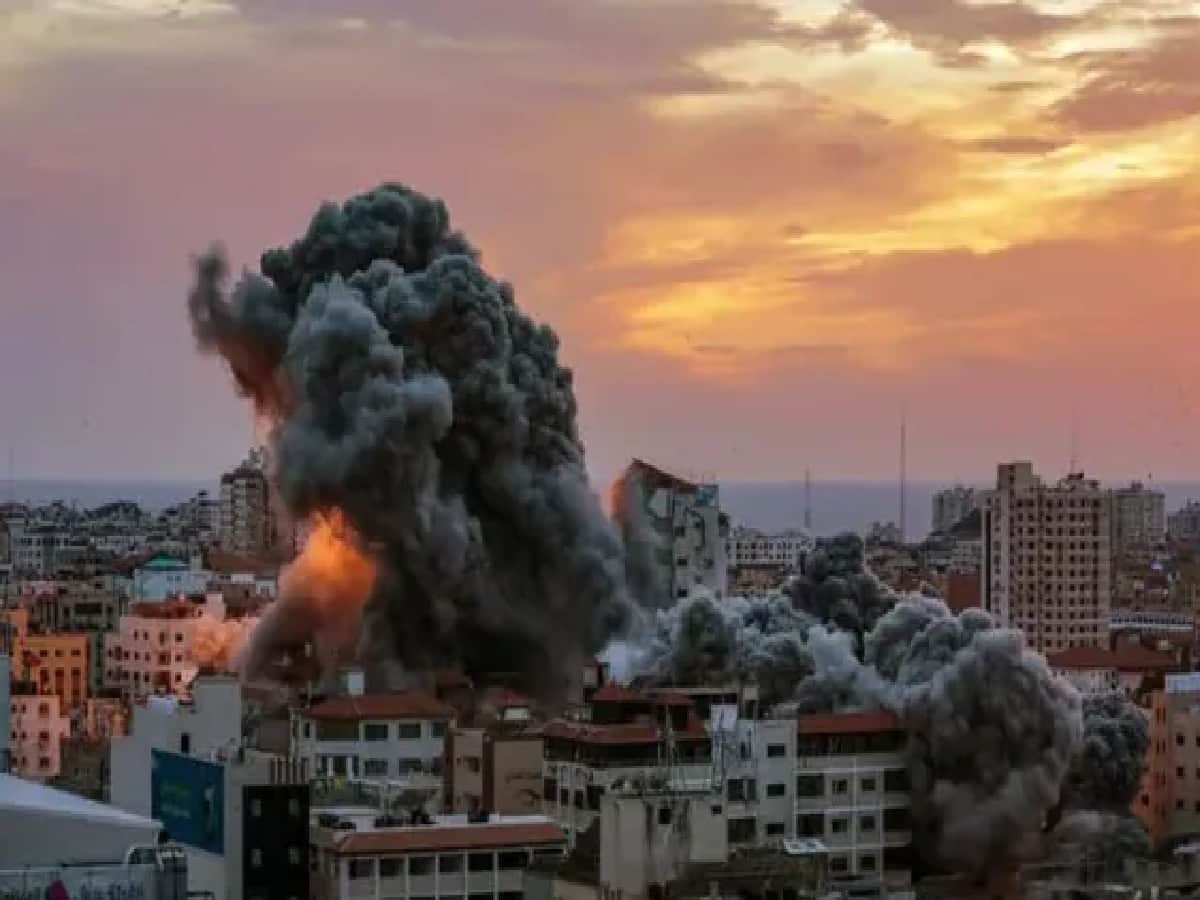
On the military battlefield, the situation inside Ukraine remains critically severe. Russian forces have intensified their aerial bombardment, launching a staggering 126 ballistic missiles in July alone—marking the highest single-month total recorded since the war began. On August 5, a devastating barrage of 24 ballistic missiles and four hypersonic weapons struck Kyiv, causing massive infrastructural destruction and tragic civilian casualties, including four deaths. Although Ukrainian air defense units successfully intercepted 135 out of 151 incoming Russian drones, critical military bases remain severely exposed due to a critical shortage of Patriot interceptor systems.
Ukraine Counterattacks With Long-Range Drones and Tech Innovation
Adapting to persistent missile shortages, Ukraine has shifted its tactical strategy by deploying long-range drones to strike deep inside Russian territory, exploiting vulnerabilities across Russia's vast geographic expanse. By modifying drone software, hardware, and combat tactics, Ukrainian forces have successfully bypassed regional air defenses—systems that military analysts estimate covered only 40 percent of strategic Russian targets prior to the conflict.
In retaliation for strikes on Kyiv, Ukrainian long-range drones successfully hit major oil refineries in Russia's Krasnodar and Samara regions. This ongoing conflict has evolved into a high-stakes technological arms race. Russia is actively deploying jet-engine-powered Iranian Shahed drones, expanding its satellite network, and utilizing low-cost cruise missiles. Concurrently, Ukraine is rapidly scaling up hybrid missile-drone systems, encrypted communications, and autonomous combat tech to minimize human casualties and maximize strategic offensive capabilities.