Up to 100% Tariffs Possible on Top Russian Oil Buyers, But India Gets Leeway
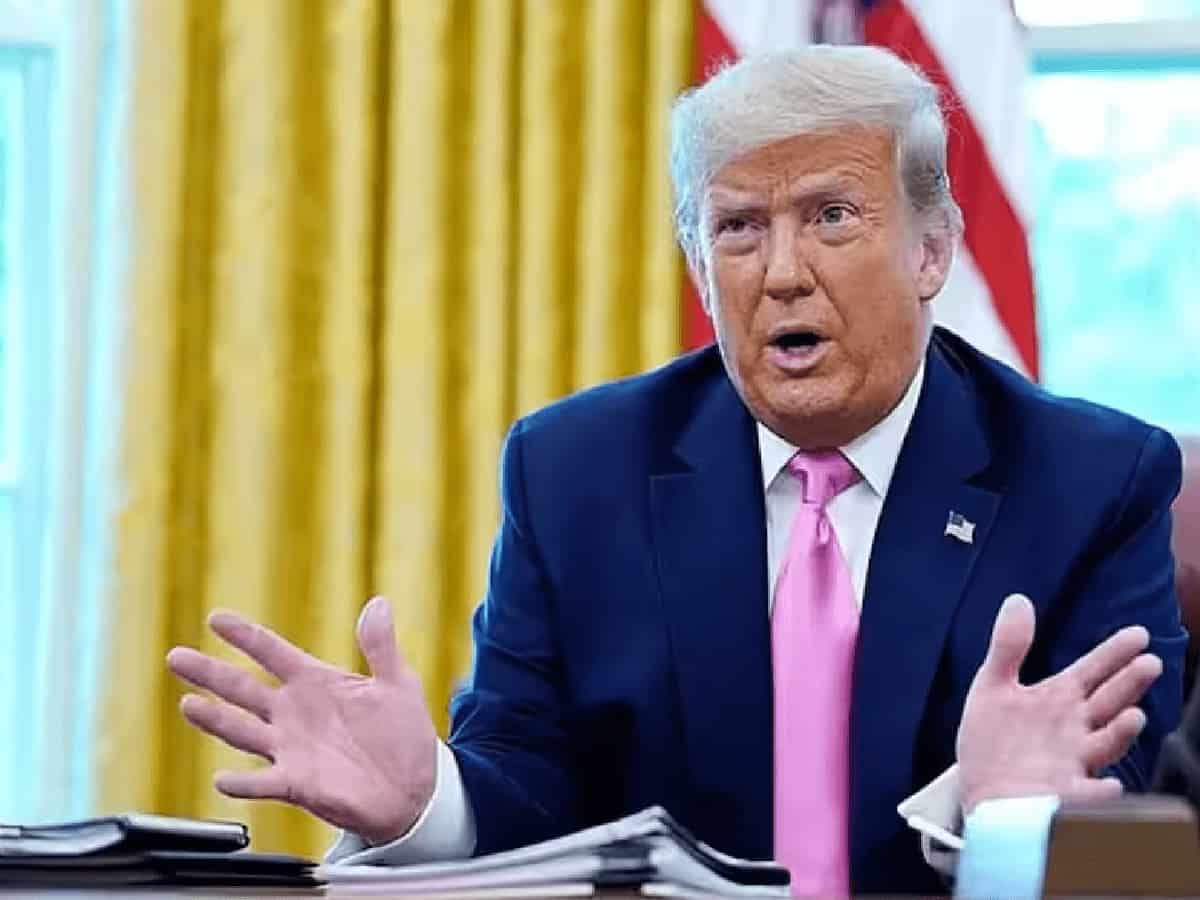
In a sweeping legislative shift threatening global crude flows, United States President Donald Trump formally signed the Lindsey O. Graham Sanctioning Russia and Iran Act of 2026 into law on September 18. The bipartisan statute grants the White House broad executive authority to levy punitive tariffs scaling up to 100 percent against the top five sovereign nations purchasing major volumes of oil and natural gas from the Russian Federation. While the enactment equips the administration with a potent geo-economic weapon to choke off Moscow's energy revenues, the legislation does not automatically trigger blanket 100 percent duties against commercial partners, conferring explicit statutory discretion upon the US President to calibrate specific tariff percentages, modify enforcement timelines, or issue waivers grounded in American national security and strategic interests.
Spotlight on India and China: Top Russian Crude Importers Navigate Tariff Risks
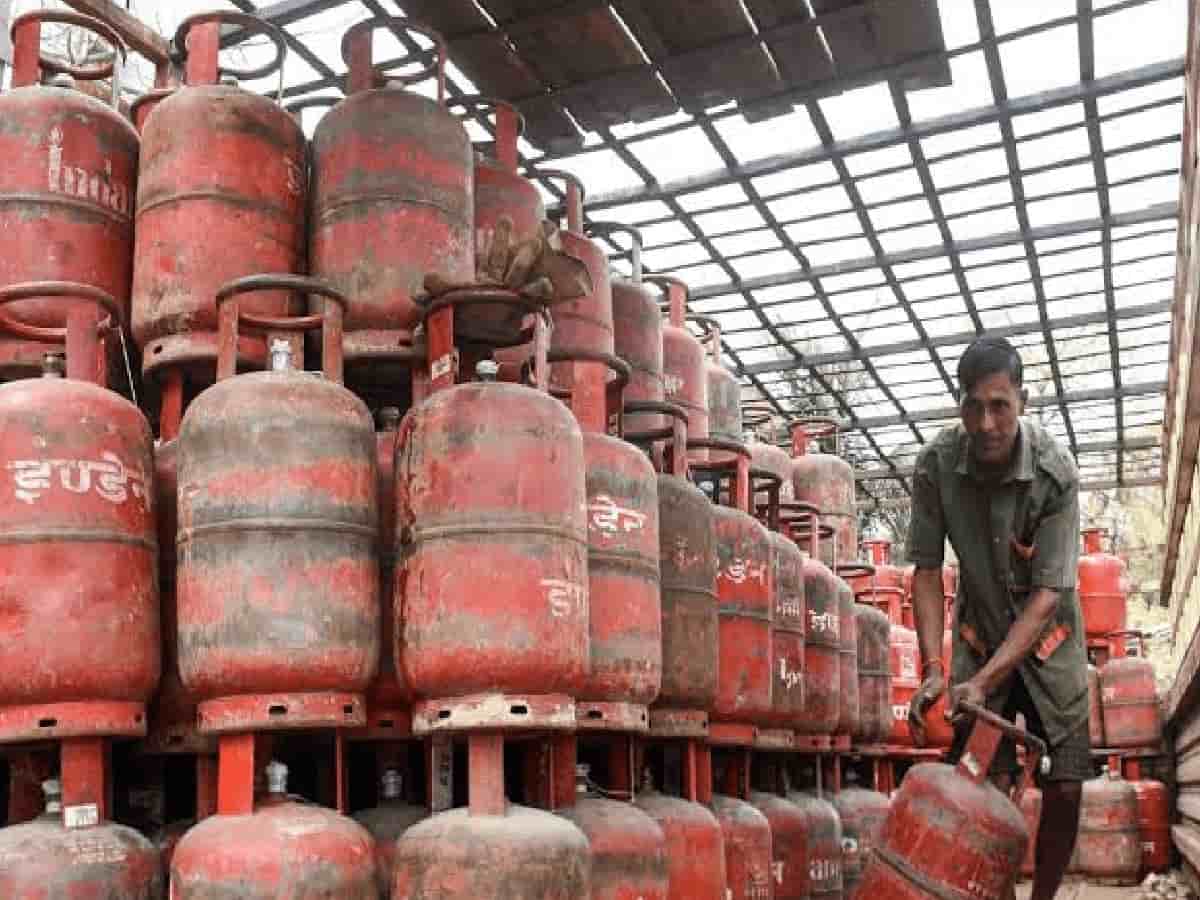
Global energy analysts and trade desks are directing sharp scrutiny toward New Delhi and Beijing, as both Asian economies stand out as the primary global consumers of discounted Russian seaborne crude. Trade flow metrics show that India emerged as the single largest importer of Russian crude oil in August 2026, absorbing approximately 1.6 million barrels per day (bpd) to supply its domestic refining centers, while China followed closely as the second-largest destination with inbound volumes touching roughly 1.1 million bpd. Although the text of the Lindsey O. Graham Act avoids explicitly singling out any individual sovereign jurisdiction by name, the statute’s definition of targeted entities—focusing squarely on the leading five global buyers of Russian hydrocarbons—effectively places India and China directly in the regulatory crosshairs of Washington's enforcement apparatus.
Presidential Discretion and Strategic Waivers: Why Immediate Tariffs Are Not Guaranteed
Despite escalating apprehensions across international energy markets, the newly enacted statute stops short of levying immediate punitive measures against Indian refiners or trade houses. The bill's architectural framework incorporates built-in flexibilities that allow the executive branch to evaluate global supply stability, bilateral diplomatic ties, and macro-economic repercussions before deploying tariff penalties. Given India's strategic defense convergence with the United States across the Indo-Pacific alongside ongoing bilateral trade negotiations, Washington retains the legal mechanism to carve out waivers or delay implementation schedules to prevent severe supply disruptions across global energy corridors, ensuring that any subsequent enforcement action remains closely tied to deliberate executive determinations.