Pakistan ATC Orders Passports Blocked for KP Chief Minister Sohail Afridi and 24 PTI Lawmakers
In a severe legal and political setback for the Pakistan Tehreek-e-Insaf (PTI), an Anti-Terrorism Court (ATC) in Islamabad has directed authorities to immediately block the travel passports of Khyber Pakhtunkhwa Chief Minister Mohammad Sohail Afridi along with 24 other prominent party lawmakers. The sweeping judicial directive, delivered on Monday in Pakistan's federal capital, comes amid escalating state action against the principal opposition leadership across federal and provincial jurisdictions. The order specifically targets high-ranking elected officials named in an ongoing terrorism and public order case originally registered at a local police station in Islamabad, dramatically constraining their ability to travel abroad while legal scrutiny deepens.
ATC Judge Grants Police Plea, Directs FIA to Block Travel Credentials Immediately
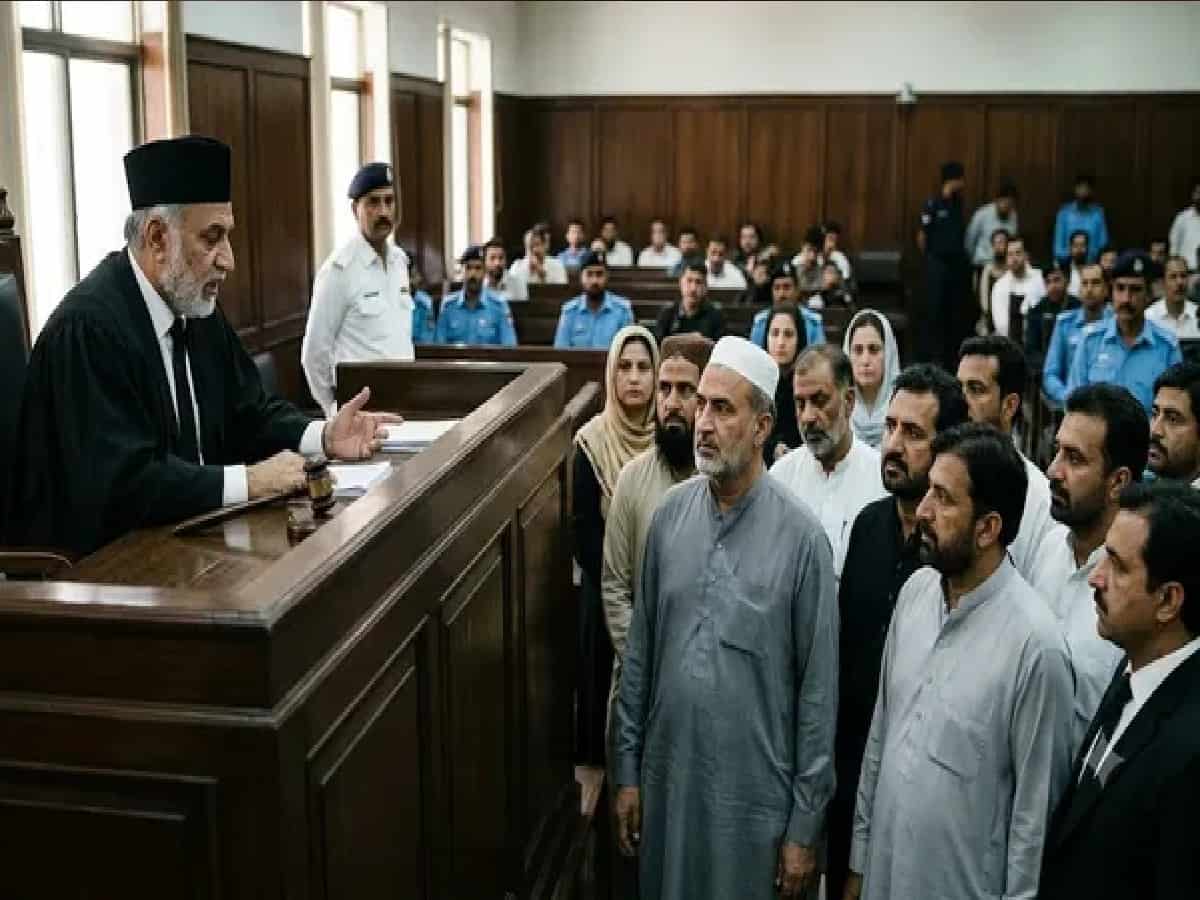
Presiding Judge Abul Hasnat Mohammad Zulkarnain issued the decisive order after formally reviewing and accepting an urgent application moved by the capital police force. In its formal submission, the prosecution argued that statutory constraints were vital to preserve the integrity of ongoing criminal inquiries tied to unrest in the capital. Acting on the police requisition, the court issued operational directives to the Federal Investigation Agency (FIA)—the apex border management and immigration enforcement body in Pakistan—instructing its immigration wing to place the official and private passports of all 25 named politicians on the centralized blocklist until further judicial instructions are handed down.
Flight Risk Concerns Raised Over Senior Leaders Including Former Speaker Asad Qaiser
Beyond Khyber Pakhtunkhwa Chief Minister Mohammad Sohail Afridi, the court order explicitly targets heavyweight PTI figures, including former Speaker of the National Assembly Asad Qaiser alongside senior members of the national and provincial assemblies. During the hearing, the lead investigating officer submitted that available case diaries and formal records clearly classify the politicians as primary accused in the ongoing proceedings. Police officials warned the bench that the accused lawmakers posed an acute flight risk, expressing substantiated apprehension that they might attempt to leave Pakistan to evade criminal prosecution, departmental scrutiny, and trial appearances, necessitating immediate travel bans to secure their presence before the law.