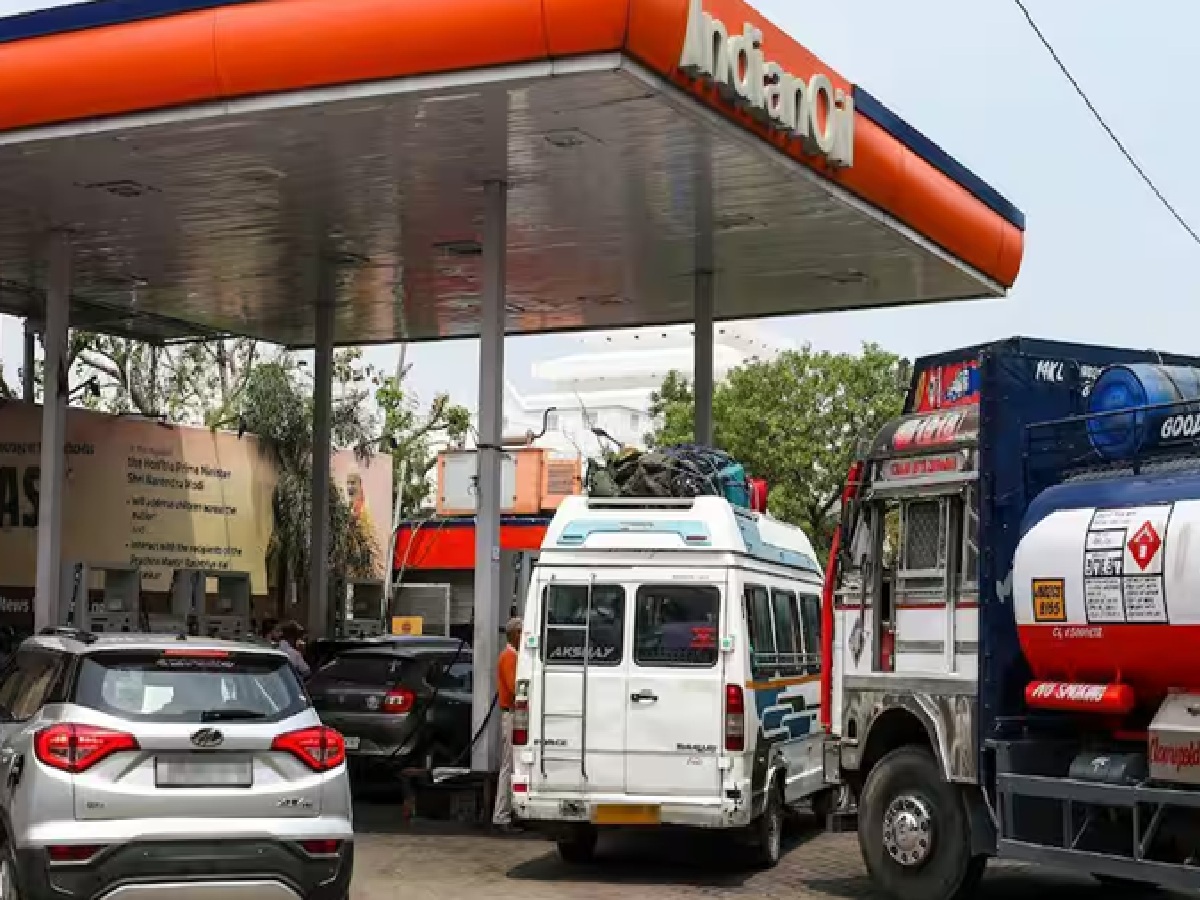
Mega Fuel Relief? Saudi Arabia Slashes Crude Prices by Highest Margin in 26 Years—Will India Pass the Benefit to Petrol and Diesel
In a massive development that promises substantial economic relief for major global consumers, energy powerhouse Saudi Arabia has announced its most aggressive crude oil price reduction for Asian markets in over two and a half decades. The unexpected price correction follows a rapid de-escalation of the US-Iran military conflict, which has successfully paved the way for international energy supply chains to stabilize. With global Brent crude tracking down to comfortable territory around $72 per barrel, market analysts project that this massive pricing shift could directly trigger a welcome reduction in retail petrol and diesel rates across India.
Saudi Aramco Unveils Historic $11 Per Barrel Price Cut for Asia
According to an analytical report published by Bloomberg, Saudi Arabia’s state-owned energy monolith, Saudi Aramco, has structurally revised its pricing matrix, implementing a sweeping cut of $11 per barrel for its core Asian clientele starting this August. Following this aggressive adjustment, Saudi’s signature Arab Light crude will be traded at an attractive discount of $1.50 per barrel relative to the standard regional benchmark. Because India relies on Saudi Arabia to fulfill a massive portion of its sovereign petroleum requirements, this steep pricing drop emerges as a major victory for Indian oil marketing companies, lowering their import bills significantly.
Reopening of the Strait of Hormuz Lowers Transit Costs
The dramatic price correction is heavily linked to the rapid normalization of vital maritime transit corridors. With the formal cessation of hostilities between Washington and Tehran, commercial vessels have safely resumed unchecked movement through the strategic Strait of Hormuz, which had been severely restricted during the conflict.
The revival of this chokepoint allowed Saudi Aramco to rapidly scale up its crude oil shipments out of the primary Ras Tanura port, restored to 90 percent of its pre-war operational volume. During the peak of the Hormuz closure, the company was forced to reroute its logistics through the alternate Yanbu port on the Red Sea, an expensive workaround that added immense overland and maritime freight costs which have now been permanently eliminated.
OPEC+ Floods the Global Market as Production Quotas Rise
Compounding the downward pressure on international fuel prices, the powerful OPEC+ alliance—spearheaded jointly by Saudi Arabia and Russia—has officially authorized an upgrade in oil production quotas for the month of August. Key regional producers, including Saudi Arabia, Iraq, and Kuwait, are already fully utilizing their expanded capacities to pump fresh volumes of crude back into global markets.
As a result of this coordinated supply surge, Brent crude prices in the international market have successfully softened to the $72 mark, erasing the war-induced premium and matching the stable baselines last recorded in February. For Indian consumers, the focus now completely shifts to whether domestic oil corporations will immediately pass these massive global savings down to pump stations.