







Is Iran Secretly Restarting Its Nuclear Program, Mossad Uncovers Centrifuges Safe Inside 'Pickaxe Mountain'
In a major geopolitical revelation, Israel’s intelligence agency Mossad has claimed that Iran may be preparing to quietly reactivate its controversial nuclear program from a high-security underground stronghold. Intelligence reports indicate that Tehran successfully relocated its uranium enrichment centrifuges to a fortified subterranean complex known as "Pickaxe Mountain" following last year's military escalation. This explosive claim comes amid heightened diplomatic tensions between Washington and Tehran, sparking fresh global security debates over Iran's long-term nuclear ambitions in the Middle East.
According to a detailed investigative report published by The Wall Street Journal, citing high-level US and Israeli officials, the strategic transfer occurred in the aftermath of the 12-day confrontation between Israel and Iran in June last year. Israeli intelligence subsequently shared these classified findings with American counterparts, warning that Iran now possesses a safe haven from which it could ramp up nuclear enrichment activities without immediate detection or air strike disruption.
Inside Pickaxe Mountain: The Bunker America’s Heaviest Bombs Might Not Touch
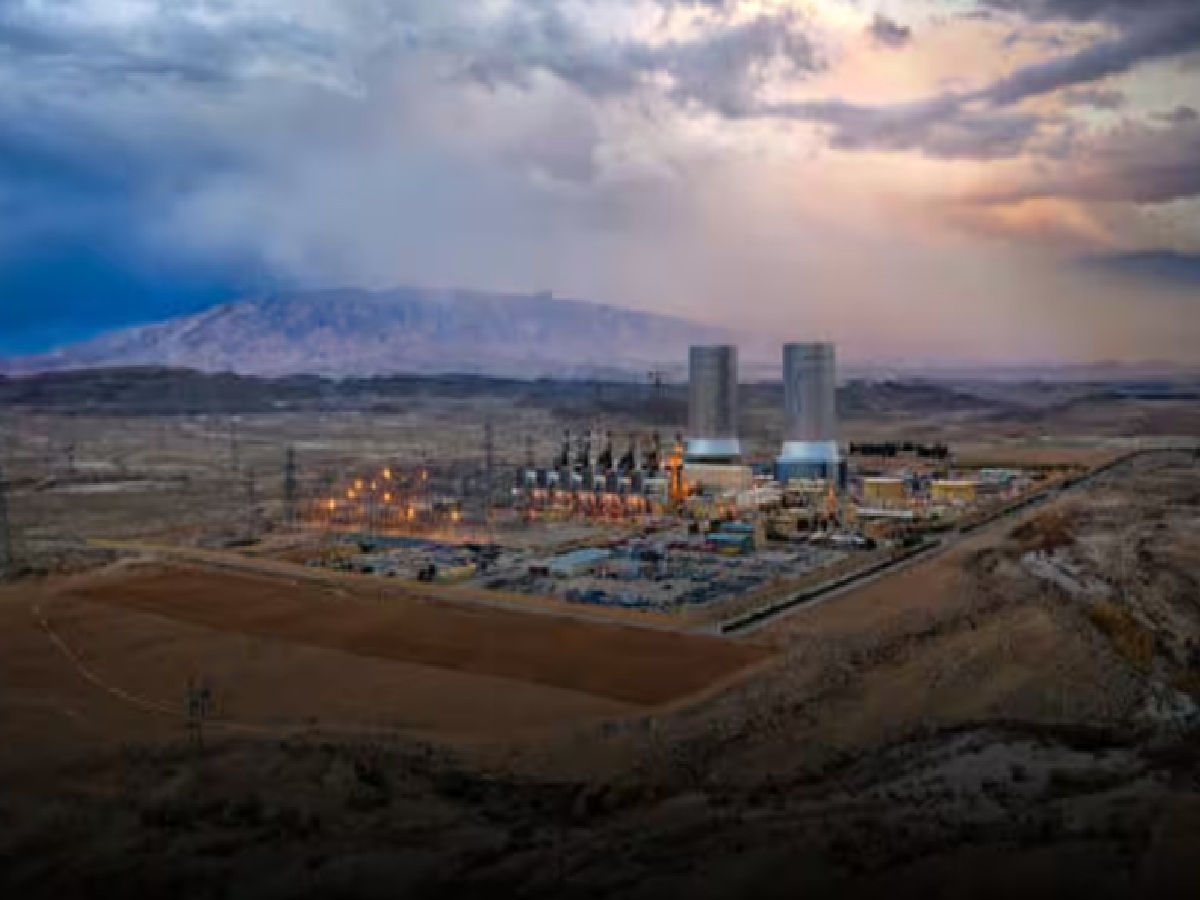
Pickaxe Mountain, locally referred to as Mount Kolang, is a heavily guarded subterranean fortress strategically positioned near the Natanz Uranium Enrichment Center—a primary facility previously targeted in past covert operations. Engineered with an extensive and deep network of underground tunnels, the complex was originally conceptualized after a major explosion destroyed Iran's above-ground centrifuge assembly unit in 2020.
Military and intelligence experts suggest that the sheer depth and rock density of Pickaxe Mountain render it exceptionally resistant to conventional airstrikes, including the United States' most powerful bunker-buster munitions. Recent satellite analysis and reports from the Institute for Science and International Security reveal a dramatic surge in construction, reinforced tunnel infrastructure, and heightened heavy truck movement in the surrounding area. Experts fear Tehran could leverage these impenetrable tunnels to house operational nuclear reactors or establish a compact, highly efficient uranium enrichment plant.
Why Uranium Centrifuges Remain at the Core of Western Concerns
Centrifuges serve as the vital technical component in the nuclear fuel cycle, designed to enrich uranium gas by rapidly spinning to isolate fissile isotopes. While low-enriched uranium is essential for civilian nuclear power generation and scientific research, highly enriched uranium provides the core material needed for atomic weapons production. Consequently, Western powers and international regulators maintain rigorous oversight over centrifuge deployments across the region.
Despite mounting allegations from Israel and Western intelligence, Tehran has consistently rejected claims of weaponization. Iranian officials maintain that all nuclear developments are strictly reserved for peaceful energy production, medical research, and scientific advancement. However, the discovery of fortified centrifuge storage beneath Pickaxe Mountain continues to fuel intense debate across global security forums and Middle Eastern defense networks.