Indian-American Lawmaker Raja Krishnamoorthi Backs US Sanctions Bill Authorizing 100% Tariffs on India
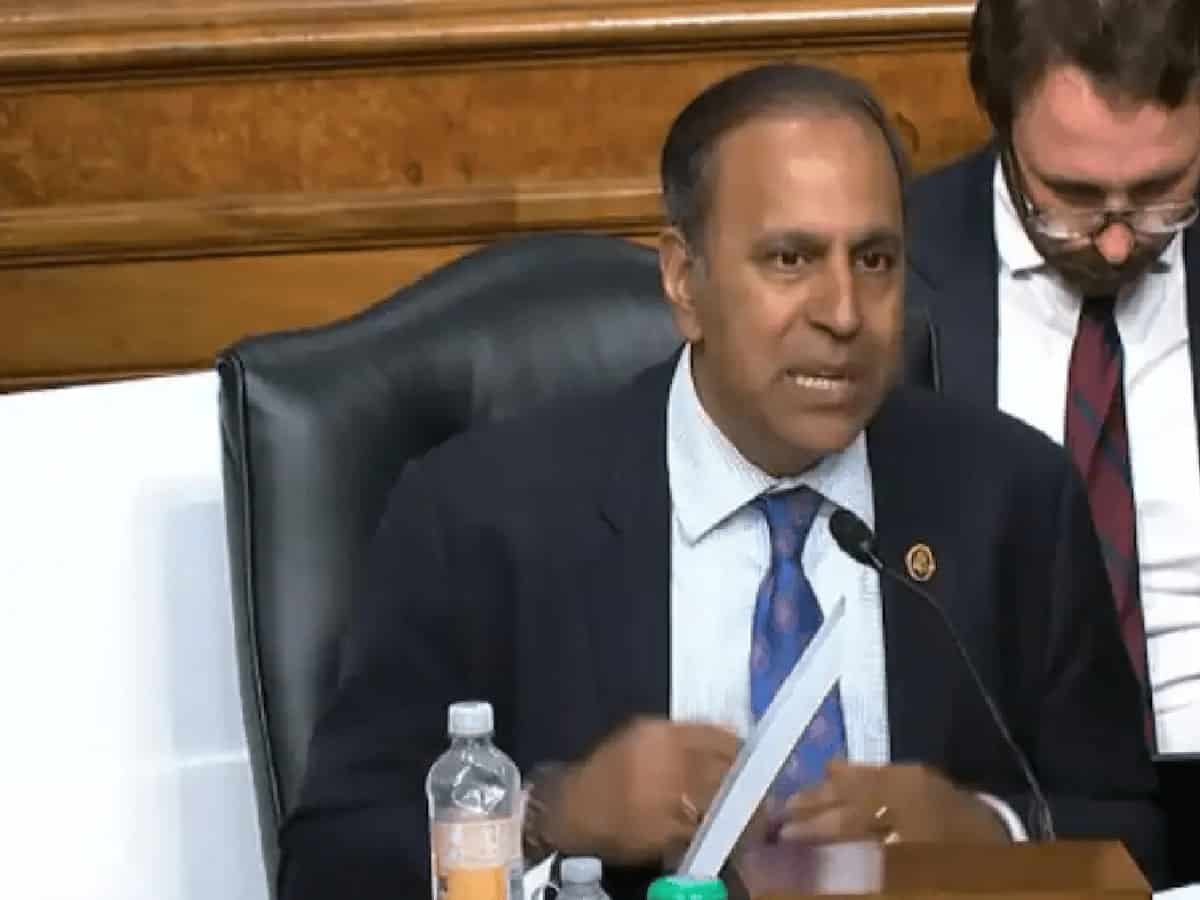
In a contentious legislative move triggering intense scrutiny across the Indian diaspora and global trade corridors, Indian-American Democratic Congressman Raja Krishnamoorthi voted in favor of the bipartisan "Lindsey O. Graham Sanctioning of Russia and Iran Act." The bill, which cleared the United States House of Representatives by a decisive majority of 262–159, grants statutory authority to the White House to impose penal tariffs scaling up to 100 percent on the top five sovereign buyers of Russian oil and gas, placing major importers like India and China directly in the path of punitive economic trade actions. Out of the six Indian-origin lawmakers serving in the House of Representatives, Krishnamoorthi was the lone Indian-American member who voted in favor of the legislation, joining 58 other Democrats who crossed aisle lines to align with the Republican-backed economic deterrence package.
Samosa Caucus Divided: Five Indian-American Lawmakers Oppose Punitive Measures Against New Delhi
The vote marked a visible division within the Indian-American congressional contingent, commonly referred to on Capitol Hill as the "Samosa Caucus." While Krishnamoorthi supported the bill, the remaining five Indian-American Democratic lawmakers—Ro Khanna, Pramila Jayapal, Ami Bera, Shri Thanedar, and Suhas Subramanyam—voted firmly against the measure. These representatives sided against the legislation, resisting provisions that risk inflicting collateral damage on strategic partners like New Delhi due to their hydrocarbon import agreements with Moscow, highlighting deep debates within the Democratic caucus regarding unilateral secondary trade penalties on democratic allies in the Indo-Pacific.
The Russian Oil Clause vs. US Uranium Carve-Out: Geopolitical Fallout and Ukraine Support
The legislation specifically targets global energy trade by authorizing 100 percent tariffs against the leading five importers of Russian crude oil and natural gas, directly threatening India's established refining supply chains. In contrast to the strict restrictions on crude petroleum, the bill carves out critical exemptions for American domestic energy requirements. Under Section 111, the legislation preserves statutory exceptions allowing the United States to continue importing Russian nuclear fuel, specifically directing the enforcement of existing legal frameworks governing uranium acquired from Russian state-owned nuclear entity Rosatom, its subsidiaries, or its corporate successors. Defending his vote ahead of his planned departure from Congress in January, the Illinois representative met with Ukrainian advocacy delegations, affirming that the vote was grounded in the United States' commitment to stand resolutely with the Ukrainian people in defense of national sovereignty and democratic territorial integrity.