UP Election 2027: Is Pankaj Chaudhary's Statement Creating Suspense Over Yogi Adityanath's CM Face
As Uttar Pradesh gears up for the high-stakes 2027 assembly elections, political circles are buzzing with intense debates over the ruling Bharatiya Janata Party's chief ministerial face. Recent remarks made by state BJP unit president Pankaj Chaudhary have sparked fresh speculation and diverse political interpretations, contrasting with statements from the national leadership. While political pundits analyze past election patterns across various states, experts are trying to decode whether these conflicting narratives indicate a calculated political strategy or an internal power dynamic within the party ahead of the upcoming electoral battle.
Decoding BJP's Past Playbook on CM Faces Across States
Analyzing the BJP's historical pattern in recent assembly elections reveals a distinct trend regarding chief ministerial announcements. In states like Madhya Pradesh, Rajasthan, and Chhattisgarh, popular leaders widely expected to retain power—such as Shivraj Singh Chouhan, Vasundhara Raje, and Raman Singh—were ultimately succeeded by new faces like Mohan Yadav, Bhajan Lal Sharma, and Vishnu Dev Sai. Iconic political moments, such as the surprising handoff in Rajasthan, highlighted that the party's central command often reserves leadership decisions for post-poll parliamentary board meetings rather than declaring faces in advance.
Conversely, exceptions exist where explicit announcements were made, such as in Haryana, where Home Minister Amit Shah confirmed Nayab Singh Saini as the CM face to successfully consolidate non-Jat and OBC votes. Meanwhile, in states like Assam, Delhi, and West Bengal, the party often contested elections under collective leadership, leaving formal appointments to legislative party meetings post-results. This versatile approach has kept political analysts guessing about how the strategy will unfold in Uttar Pradesh for 2027.
The Contrast Between Nitin Naveen and Pankaj Chaudhary's Statements
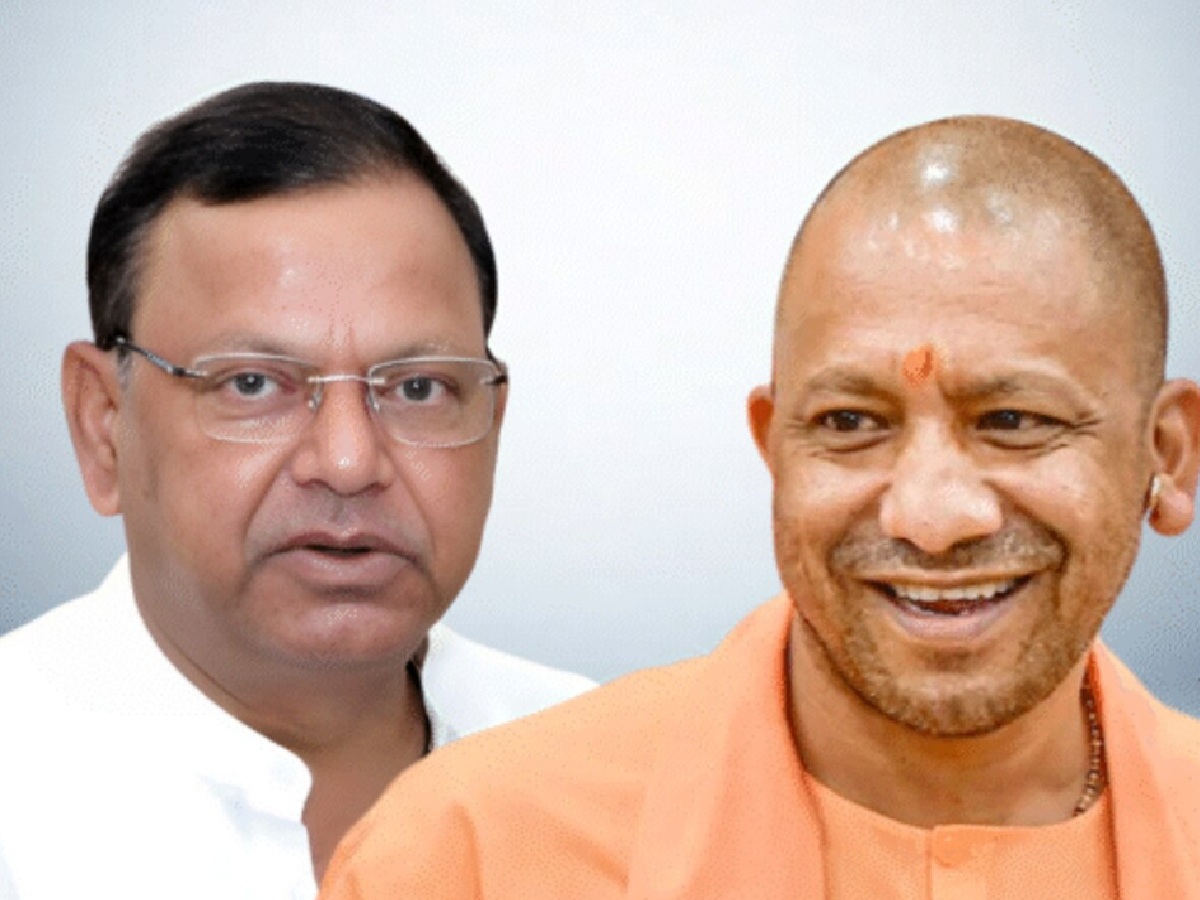
The current debate in Uttar Pradesh intensified following divergent remarks from key party figures. BJP National President Nitin Naveen explicitly stated in an interview that incumbent Chief Minister Yogi Adityanath would undoubtedly be the face of the party in the 2027 elections. However, shortly afterward, state president Pankaj Chaudhary remarked during a public interaction in Ghaziabad that the final decision regarding whether elections would be fought under specific leadership rests with the central Parliamentary Board. This apparent contradiction has fueled speculation across media platforms, prompting political analysts to examine the underlying motivations behind these statements.
Expert Perspectives on Power Dynamics and Electoral Strategy
Eminent psephologists and political analysts have offered multiple viewpoints on this political discourse. CSDS Director Sanjay Kumar suggests that such statements might reflect internal positioning, with state leaders asserting their seniority while leadership decisions remain firmly within the domain of the central high command. Political analyst Yogesh Mishra notes that key decisions in the party are typically centralized, and differing statements may serve tactical purposes. Some analysts also point toward balancing regional and caste equations—such as addressing community influences across dozens of assembly seats—suggesting that keeping leadership speculation open can help manage complex social coalitions within the state.