Stop This Costly Mistake: Keeping These 5 Sacred Items on the Floor Brings Financial Ruin
The foundational principles of Vastu Shastra emphasize that the spatial arrangement and vertical elevation of objects directly determine the subtle vibrational frequencies circulating inside a living space. While conscious placement invites abundant financial prosperity, peaceful relationships, and protective domestic aura, casual oversights can destabilize household harmony. According to classical Vastu doctrines, placing certain sacred and energizing domestic items directly onto bare flooring constitutes an act of disrespect toward ruling cosmic deities, leaking vital prana, breeding acute Vastu doshas, and precipitating sudden financial hardships.
Sacred Altars, Deities, and Ritual Flame: Elevating Mandir Elements Above the Ground
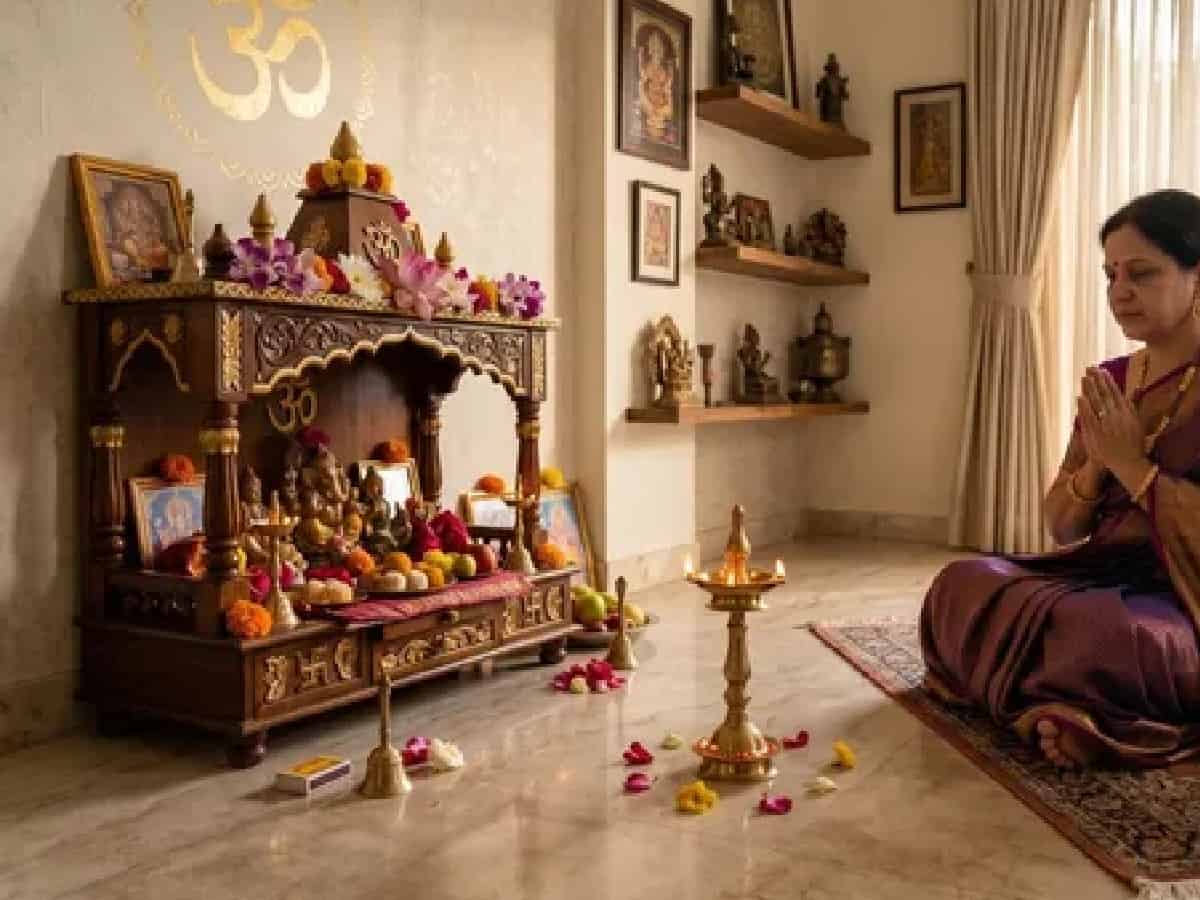
The home mandir represents the spiritual epicenter of household energy, demanding strict adherence to classical height rules. Vastu dictates that a home temple must never be positioned directly on the bare floor; it must always be elevated using a dedicated wooden chowki, raised platform, or clean consecrated cloth mat. Placing sacred emblems such as a Shivalinga or Shaligram stone flat on the flooring neutralizes their vibrational potency and triggers severe architectural defects. Similarly, the sacred puja diya or brass oil lamp should never rest on bare ground while lighting or during devotional aarti. Instead, priests advise setting the lamp atop a brass thali, an earthen base, or a bed of unbroken akshat (rice grains) to prevent negative energy absorption.
The Consecrated Kalash: Establishing Wealth Vessels on Grain Foundations
During auspicious religious ceremonies and festivals, the installation of the sacred urn or Kalash serves as a divine reservoir of cosmic blessings. Setting an ungrounded, bare metal or earthen pot directly on the floor is strictly discouraged, as it dissipates spiritual efficacy and invites stagnant energy. Canonical scriptures mandate creating a sacred consecrated bed beneath the urn using clean unbroken wheat, raw rice grains, or pure river sand. This supportive base ensures the sanctified water and sacred mango leaves remain ritually insulated, anchoring fortune, material stability, and peace within the home.
Honoring Annapurna and Saraswati: Safeguarding Food Thalis and Knowledge Scrolls
The prohibition against touching bare flooring extends to essential daily rituals, particularly dining and intellectual pursuits. While sitting on a clean woven mat on the floor to consume meals promotes grounding and wellness, placing a dining plate or thali directly on the tiles dishonors Goddess Annapurna, attracting nutritional imbalances and economic scarcity. Families should always place dining thalis atop low wooden dining risers or cloths before partaking of meals. In a similar vein, academic literature, religious manuscripts, and study books should never be piled on the floor, as they embody the pure wisdom of Goddess Saraswati. Neglecting this boundary invites persistent mental stagnation, academic hurdles, and emotional agitation among household members.