






Sacred Thread Rules: Which Hand Should Men, Unmarried Girls, and Married Women Tie the Kalava On
In Sanatan Dharma, virtually every puja, ritual, and auspicious ceremony begins with the tying of a sacred protective thread, widely known as the Kalava or Raksha Sutra. Wearing this sacred thread on the wrist is much more than an age-old cultural tradition; it carries profound spiritual, religious, and astrological significance. Believed to attract divine grace and safeguard against negative energies, the Kalava must nevertheless be worn following precise scriptural guidelines to yield its full benefits.
Astrological Rules: Right Hand vs. Left Hand
A common question among devotees is whether the sacred thread should be tied on the right wrist or the left wrist. According to expert astrologers at Astropatri, the correct wrist depends entirely on gender and marital status:
-
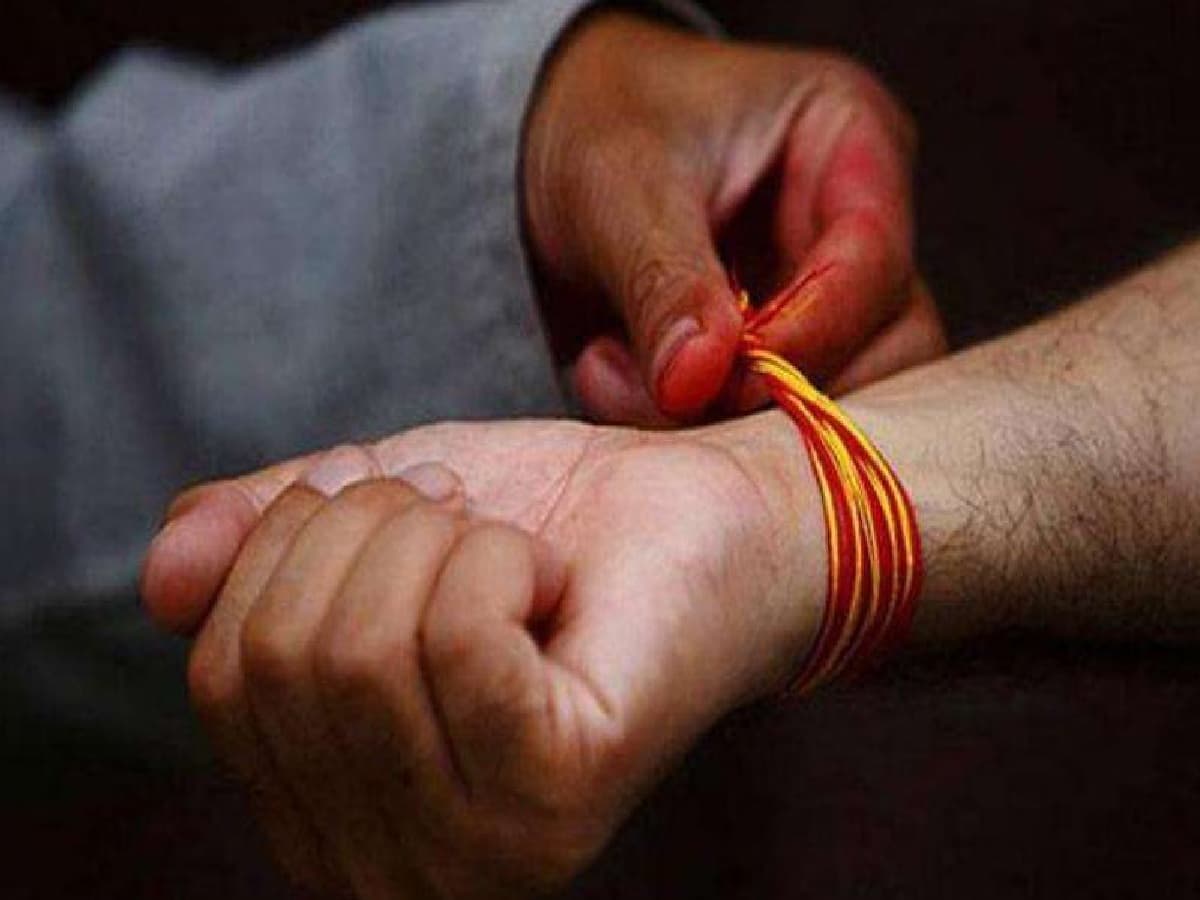
For Men and Unmarried Girls: Scriptural rules dictate that all males and unmarried females should tie the Raksha Sutra on their right wrist. This positioning is believed to harness active solar energy, boost positivity, and invite auspicious fortunes.
-
For Married Women: The astrological rule differs for married women, who are advised to wear the sacred thread on their left wrist. This practice is traditionally viewed as a powerful symbol of good fortune, domestic harmony, and the divine protection of marital bliss.
Proper Etiquette and Ritual Postures
Tying the Kalava requires specific mindfulness and respect. Astropatri experts recommend avoiding tying the thread while standing casually or with empty hands.
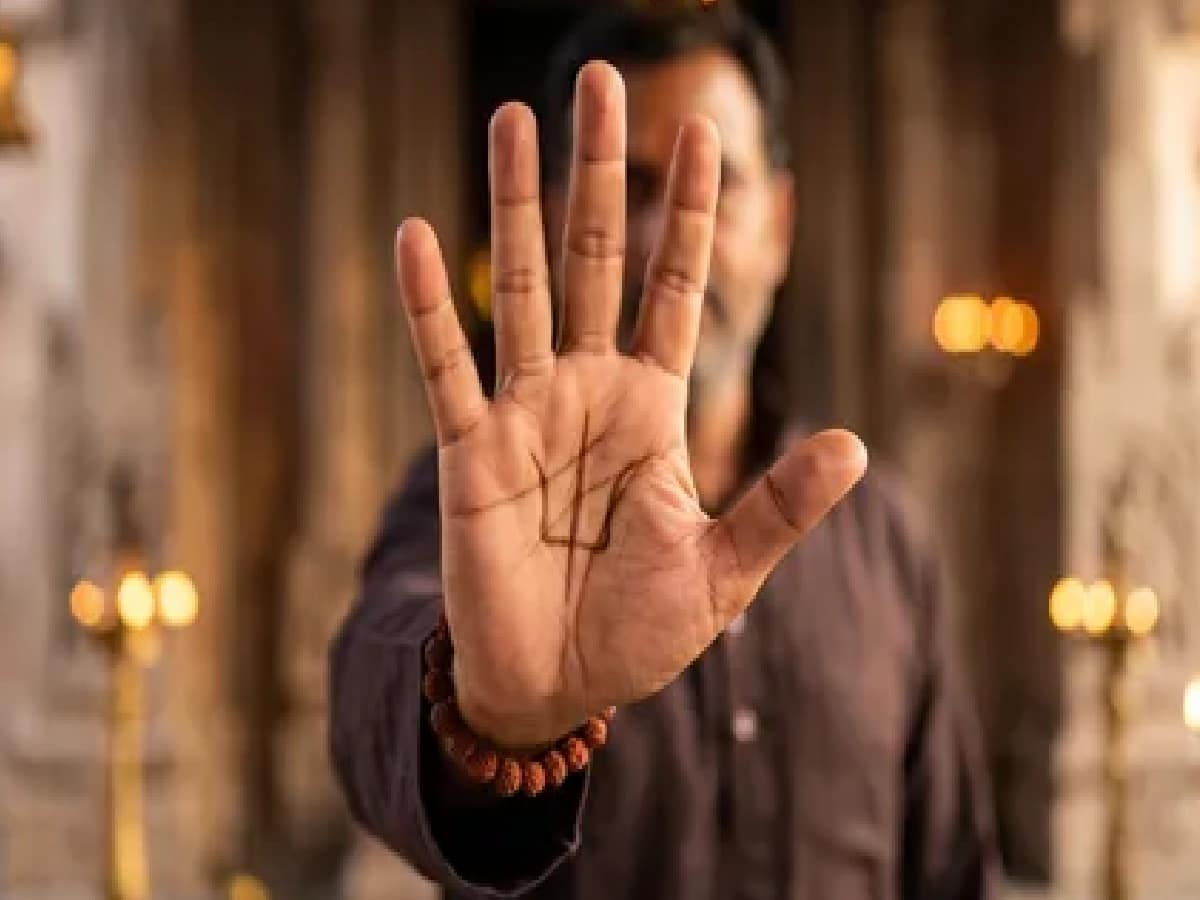
Before having the Kalava tied, devotees should place a few grains of rice (Akshat) or a coin in their palm, closing their fist gently. Additionally, one should keep their free hand resting on their head. Placing a hand on the head acts as a traditional gesture of deep reverence, humility, and surrender toward God and elders.
Wrapping Count and Sacred Mantras
The number of times the thread is wound around the wrist also carries sacred meaning. It is considered most auspicious to wrap the Kalava three or five times. In Vedic symbolism, this represents the Holy Trinity—Brahma, Vishnu, and Mahesh—along with the Tridevis (Saraswati, Lakshmi, and Parvati).
As the thread is being tied, reciting the powerful Vedic protective mantra is customary:
"Yen Baddho Bali Raja Danavendro Mahabalah. Ten Tvamanubhadhnami Rakshe Ma Chal Ma Chal."
This ancient verse invokes the divine shield used to bind the righteous demon king Bali, praying for eternal protection from all adversities.
How to Respectfully Dispose of Old Kalava
Over time, as the sacred thread frays or its color fades, it should be replaced. Tuesdays and Saturdays are regarded as the most auspicious days to change an old Kalava. Importantly, old threads should never be discarded carelessly in household garbage. Instead, they should be respectfully removed and immersed in a flowing holy river, or alternatively placed at the roots of a sacred Peepal tree.