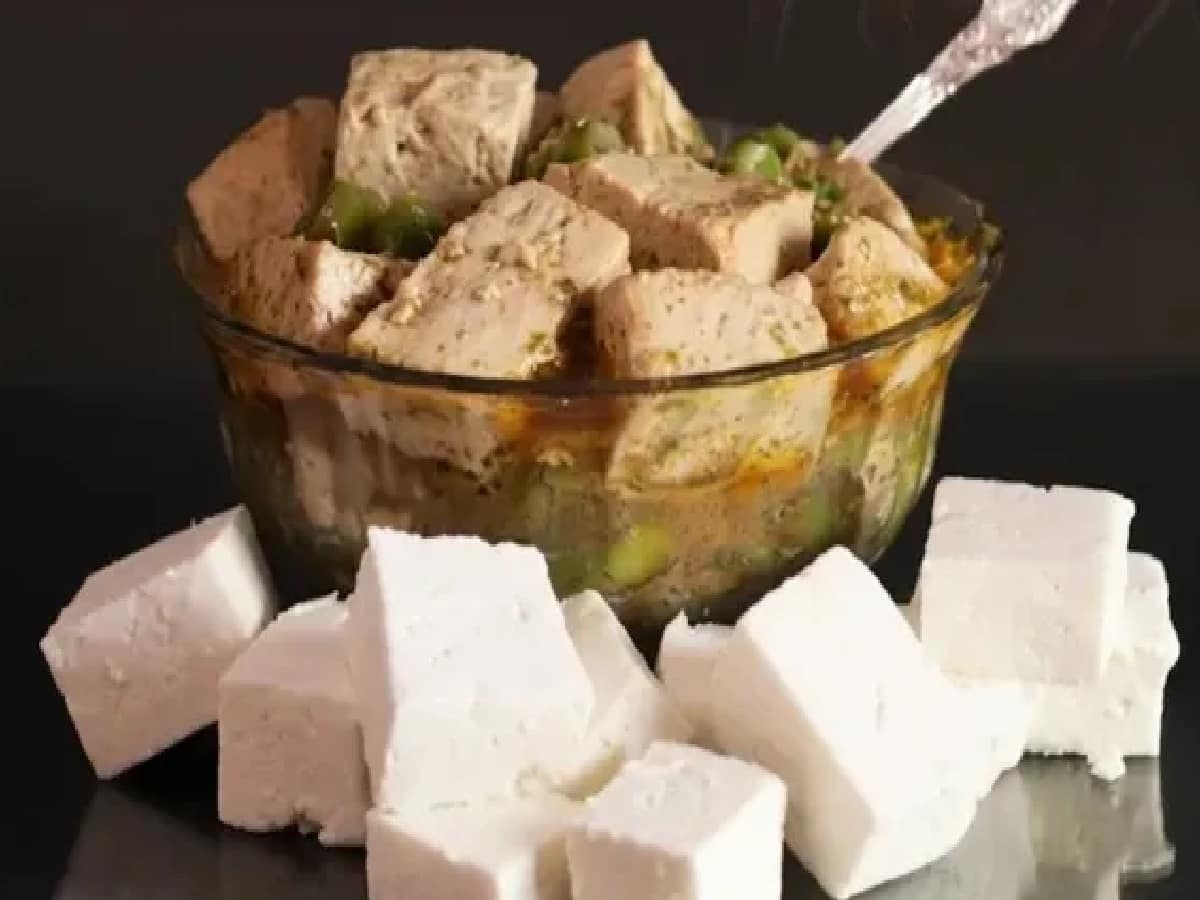
Toxic Analog Paneer Floods Major Indian Markets: Easy Tests to Spot Real vs Fake Cottage Cheese
An extensive, multi-state trade nexus dealing in hazardous "analog cheese"—synthetic and non-dairy imitation paneer fabricated using vegetable oils, starches, and industrial emulsifiers—continues to permeate domestic supply chains despite widespread government bans. Official inspection reports from across northern and central India reveal that counterfeit paneer has quietly penetrated wholesale mandis, local dairy counters, and restaurant kitchens. Law enforcement agencies and food safety commissioners across Uttar Pradesh, Madhya Pradesh, Chhattisgarh, Delhi, Punjab, Haryana, Himachal Pradesh, Uttarakhand, Jammu and Kashmir, Bihar, and Jharkhand are intercepting thousands of kilograms of substandard consignments weekly as laboratory test failure rates soar to unprecedented levels.
How to Identify Real vs Analog Paneer: 4 Simple Kitchen Tests
With counterfeit varieties mimicking the visual appearance of genuine dairy cottage cheese, consumers can spot adulteration using straightforward diagnostic methods:
-
Ingredient Label Check: When buying packaged varieties, examine the contents declaration. Any product listing soy protein isolate, pea protein, modified starch, or hydrogenated vegetable fats is analog cheese, whereas authentic paneer contains purely milk solids and coagulating food acid.
-
The Iodine Tincture Test: Place a few drops of household iodine solution onto a small slice of raw paneer. If the sample shifts to a deep blue or purplish hue, it proves the presence of adulterating starches, mashed potatoes, or chemical thickeners. Authentic milk paneer does not change color under iodine exposure.
-
Texture and Elasticity Feel: Real dairy paneer feels soft, crumbly, and distinctively moist to the touch. In contrast, analog cheese displays a noticeably stiff, rubbery, or overly elastic bounce when pressed between fingers.
-
Hot Water and Aroma Test: Submerge a cube of the product into boiling water for two minutes. Natural paneer retains a gentle, sweet, milky scent and softens naturally. Analog paneer disperses a foul, plastic-like, or chemical odor as artificial binding agents breakdown under high temperatures.
Over 55,000 Kilograms of Spurious Paneer Reaches Delhi Daily from Interstate Belts
Food regulatory monitoring indicates that India's national capital region is absorbing staggering volumes of non-dairy imitation cheese daily. Approximately 55,000 kilograms of counterfeit paneer enters Delhi from neighboring supply points every single day, dwarfing local dairy production of around 5,000 kilograms. Key interstate dispatch routes originate from Nuh, Palwal, and Mewat in Haryana, alongside manufacturing belts in Aligarh, Agra, Hathras, Meerut, Bulandshahr, Moradabad, and Hapur in Uttar Pradesh. Trade data estimates that Okhla wholesale mandi alone receives roughly 20,000 kilograms daily, while Ghazipur absorbs 7,000 kilograms, Janakpuri takes in 5,000 kilograms, and Yusuf Sarai receives nearly 4,000 kilograms every morning.
Haryana and Himachal Impose Complete Bans as 70% of Local Samples Fail Testing
A statewide quality audit conducted in Haryana between April 1, 2025, and March 31, 2026, delivered alarming findings after testing 285 commercial cheese samples. A staggering 200 samples failed statutory food standards—171 were classified as substandard and 29 were flagged as unsafe for human consumption, pointing to an estimated 70 percent contamination rate across local retail outlets. Reacting to the crisis, Haryana authorities enforced an immediate one-year blanket prohibition on the manufacture, storage, and commercial sale of analog paneer and non-dairy imitation ghee. Neighboring Himachal Pradesh mirrored the strict measure, imposing its own one-year total ban to protect consumers from gastrointestinal and cardiovascular risks linked to synthetic fats.
Nationwide Enforcement Sweep: UP Raids 5,600 Outlets While MP and Chhattisgarh Seize Metric Tons
Enforcement wings of the Food and Drug Administration (FDA) across major states have intensified prosecution to dismantle interstate distribution channels:
-
Uttar Pradesh: The state FDA executed 5,643 specialized enforcement raids, collecting 1,517 official samples, of which 346 were certified hazardous and unsafe. Authorities registered 18 police FIRs and initiated 446 judicial prosecutions in local courts. Major highway interdictions along the Agra-Lucknow Expressway yielded massive hauls—intercepting 4,800 kilograms in April 2025 and 1,800 kilograms in November 2025 originating from Haryana for delivery across Lucknow and Barabanki.
-
Madhya Pradesh: Following a complete ban on analog cheese production, trade, and usage on August 12, task forces confiscated 10,835 kilograms across multiple commercial hubs, canceling processing permissions across the board.
-
Chhattisgarh: Authorities uncovered illegal units blending industrial skimmed milk powder and refined palm olein oil to produce spurious "Malai Paneer." Raids across eight illegal factories destroyed 775 kilograms of adulterated ingredients, seized 550 kilograms of finished analog blocks, and suspended four commercial operating licenses.
-
Uttarakhand & Jammu and Kashmir: Operating under strict non-dairy bans, Uttarakhand authorities surveyed 88 units within 12 days, destroying 100 kilograms of inbound consignments from UP and Haryana. In Jammu and Kashmir, law enforcement intercepted 15 quintals of transit cheese flowing from Punjab and Delhi, while Bihar authorities seized 1,400 kilograms of bus-transported suspicious cheese loaded with starch at Bakhtiyarpur.
-
Punjab & Bihar: Punjab launched a formal ban following seizures in Kapurthala, Faridkot, and Ludhiana, where genuine paneer priced at ₹400–500 per kilogram was being undercut by adulterated items sold at ₹250–350. In Bihar, intensified dairy inspections in Patna uncovered dangerous chemical formalin in milk supplies from Danapur and Sabalpur dairies, leading to the destruction of 325 liters of toxic milk under the Food Safety and Standards Act (FSSA), 2006.