India Targets 100 GW Nuclear Power Capacity by 2047: Boosting Clean Energy and Reducing Coal Dependence
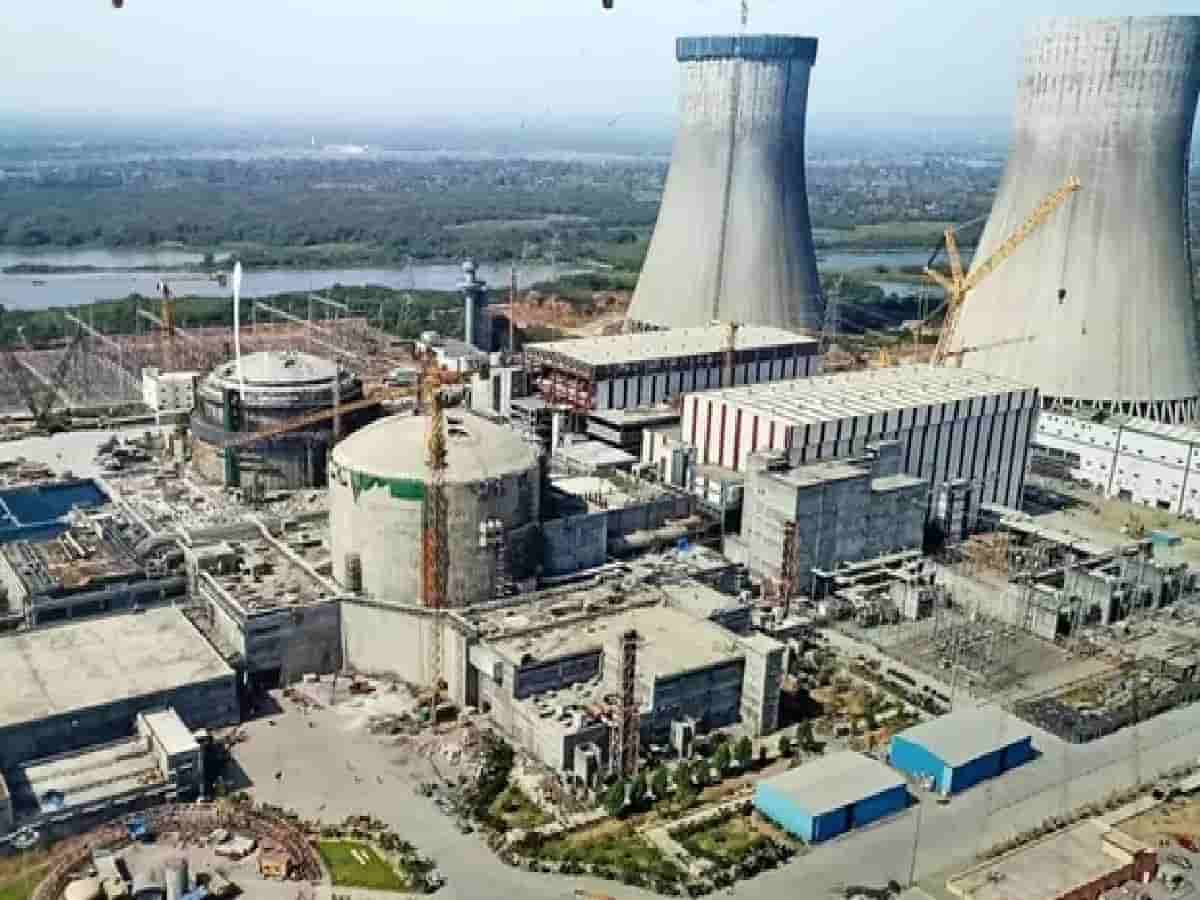
To secure long-term national energy independence and meet ambitious net-zero climate commitments, India has aggressively accelerated its nuclear energy capacity expansion. According to an official fact sheet released on Friday, the country is systematically marching toward an ambitious target of achieving 100 gigawatts (GW) of nuclear power capacity by 2047, a move designed to diversify the national energy grid and substantially reduce reliance on coal and imported fossil fuels.
Current Operational Capacity and Reactors Under Construction
India's nuclear infrastructure is expanding at an unprecedented pace to meet soaring domestic electricity demand with reliable, low-carbon baseload power:
-
Operational Plants: There are currently 24 nuclear power reactors functioning across the country, generating a cumulative installed capacity of 8.78 GW.
-
Under Construction: Work is actively underway on nine new reactors with a combined capacity of 7.5 GW.
-
New Approvals: The central government has granted formal approval to establish 10 indigenous Pressurized Heavy Water Reactors (PHWRs), alongside preliminary project greenlights for two 500 MWe Fast Breeder Reactors (FBRs).
Technological Self-Reliance and the Three-Stage Nuclear Roadmap
India's nuclear energy program is anchored in a long-term strategy of absolute technological self-reliance, engineered to bypass historical global fuel restrictions and leverage the nation's vast domestic mineral reserves. The country follows a uniquely structured three-stage nuclear power programme, designed to facilitate a gradual, seamless transition from uranium-based fuel cycles to utilizing India's abundant thorium reserves.
Furthermore, India stands among an elite group of nations possessing advanced vitrification technology. This specialized process safely converts high-level radioactive waste into stable glass forms, ensuring secure long-term storage, transport, and environmental disposal.
Powering India's Green Transition and Climate Commitments
As electricity demand climbs alongside rapid economic development, nuclear power has emerged as a cornerstone of India's long-term energy strategy. By providing continuous, round-the-clock, low-carbon electricity, the expansion of nuclear generation directly reinforces national energy security, curtails carbon emissions, and ensures that India stays firmly on track to fulfill its international climate pledges while modernizing its power grid.