Surprising Link Between Gum Disease and Alzheimer's: New Scientific Research Reveals How Poor Oral Health
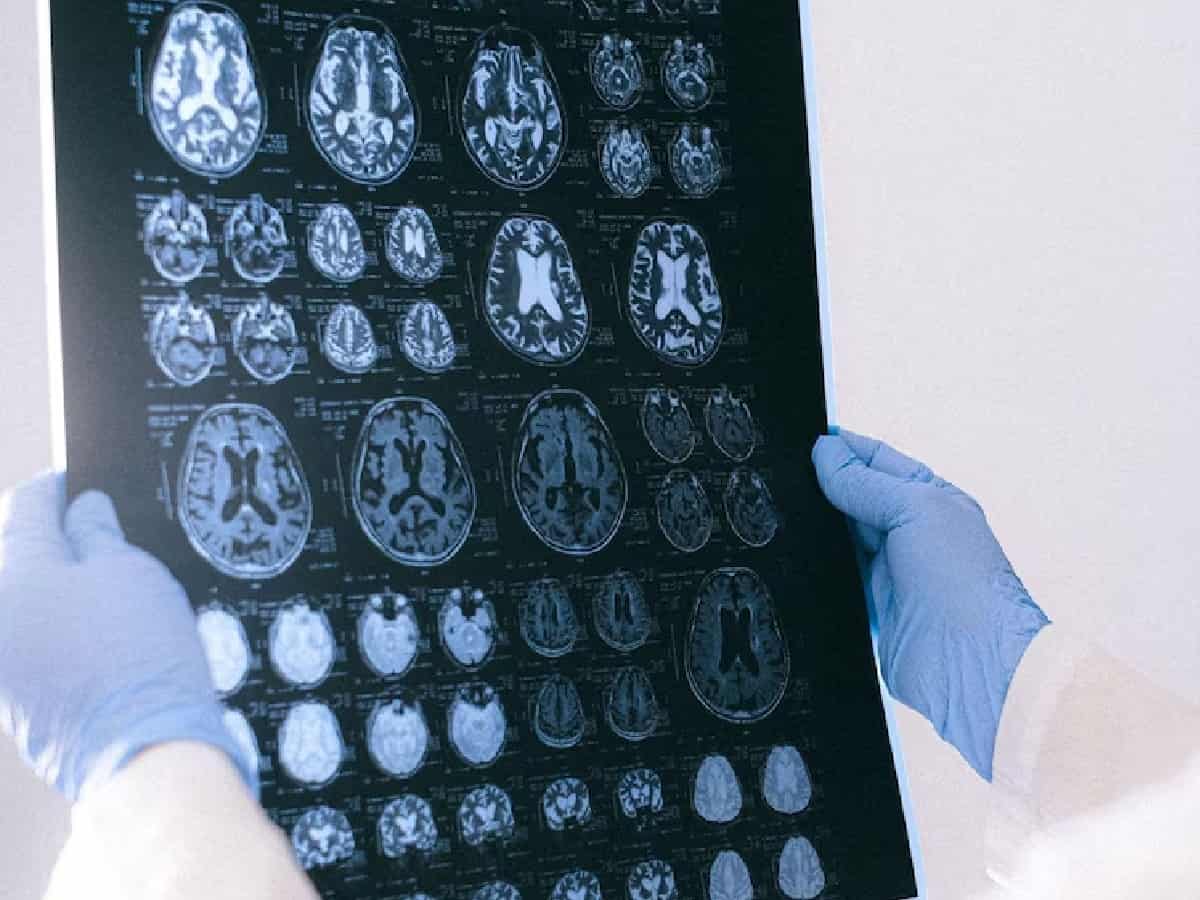
A groundbreaking and startling scientific study published in the renowned academic journal Science Advances has sent ripples through the global medical and neurological communities. Researchers have uncovered a direct and alarming biological link between severe gum infections and Alzheimer's disease. According to the findings, toxic bacteria responsible for chronic periodontal disease have been detected directly inside the brain tissues of deceased Alzheimer's patients. While health experts caution against oversimplifying the complex causes of cognitive decline, this major discovery is reshaping how scientists understand the intricate connection between oral hygiene, internal inflammation, and long-term brain health.
How Periodontal Bacteria Travel from the Mouth to the Brain
At the center of this medical investigation is Porphyromonas gingivalis, a harmful bacterium known to cause chronic and severe gum disease, clinically referred to as periodontitis. When researchers conducted post-mortem examinations of brain tissue from individuals who suffered from Alzheimer's, the results were striking: nearly 96 percent of the brain samples contained toxic enzymes produced by this specific oral bacterium. Additionally, traces of bacterial DNA have been identified in the spinal fluid of living patients.
Medical experts explain that when gums become severely inflamed and infected, the delicate blood vessels in the oral cavity weaken. Everyday habits such as aggressively brushing teeth or chewing food allow these bacteria to easily breach the barrier, entering the bloodstream. Once inside the circulatory system, the pathogens travel throughout the body and can eventually cross the blood-brain barrier, leading to neuroinflammation and damaged neurons over time.
Insights from Animal Trials: Amyloid Beta Production and Brain Plaques
To rigorously test this hypothesis, scientists conducted controlled laboratory experiments on mice. When the periodontal bacteria were introduced into the mouths of the test subjects, the microbes successfully migrated to their brains.
Once inside the neural environment, the bacteria accelerated the production of amyloid beta—a defective protein notorious for forming the toxic clumps and plaque deposits characteristic of Alzheimer's disease brains. However, when researchers administered experimental drugs designed to block the enzymes produced by these bacteria, brain inflammation noticeably decreased, and neural cells showed signs of protection, offering a vital clue for future therapeutic developments.
Is Poor Oral Health the Direct Cause of Alzheimer's?
Despite the compelling correlation, scientists emphasize that poor dental hygiene is not the sole or primary cause of Alzheimer's disease. Neurological experts note that Alzheimer's is an exceptionally complex condition triggered by multiple interconnected factors, including genetic predisposition, aging, cardiovascular health, high blood pressure, and protein imbalances in the brain. Furthermore, clinical human trials utilizing antibacterial drugs to target these specific oral pathogens have not yet demonstrated a complete cure for Alzheimer's patients.
Why This Research Marks a Major Milestone for Medical Science
Even though bacteria are not the singular cause of the disease, this landmark study has unlocked promising new avenues for medical research. Scientists are now investigating whether maintaining rigorous oral hygiene and managing chronic inflammatory conditions in the body can reduce neurological risks and support long-term cognitive wellness as people age.