Stop Thigh Chafing for Good: Effective Home Remedies, Prevention Tips, and Medical Care
During hot summers and humid weather, many individuals experience painful skin irritation, redness, and discomfort between their thighs. Medically known as chafing, this issue is triggered primarily by constant skin-on-skin friction or rubbing against clothing, which is heavily aggravated by sweat and moisture. While walking, running, or staying active for extended periods can worsen the condition, implementing proper hygiene, effective home remedies, and smart wardrobe choices can provide long-lasting relief and prevent recurring flare-ups.
What Causes Thigh Chafing
According to health experts at the Cleveland Clinic, the root cause of chafing is continuous friction. When skin repeatedly rubs against skin or abrasive clothing during movement, the protective outer layer of the skin breaks down.
-
The Role of Moisture: Sweat and trapped humidity exacerbate the issue significantly. Moist skin is far more fragile and susceptible to damage, making chafing exceptionally common during high-humidity months or intense physical workouts.
-
High-Risk Factors: Athletes, runners, and individuals who wear overly tight or moisture-retaining clothing are at a much higher risk of experiencing painful friction in sensitive areas like the thighs, groin, and armpits.
Identifying the Symptoms of Chafing
Recognizing the early signs of chafing ensures that you can treat the area before it escalates into a severe wound. Common indicators include:
-
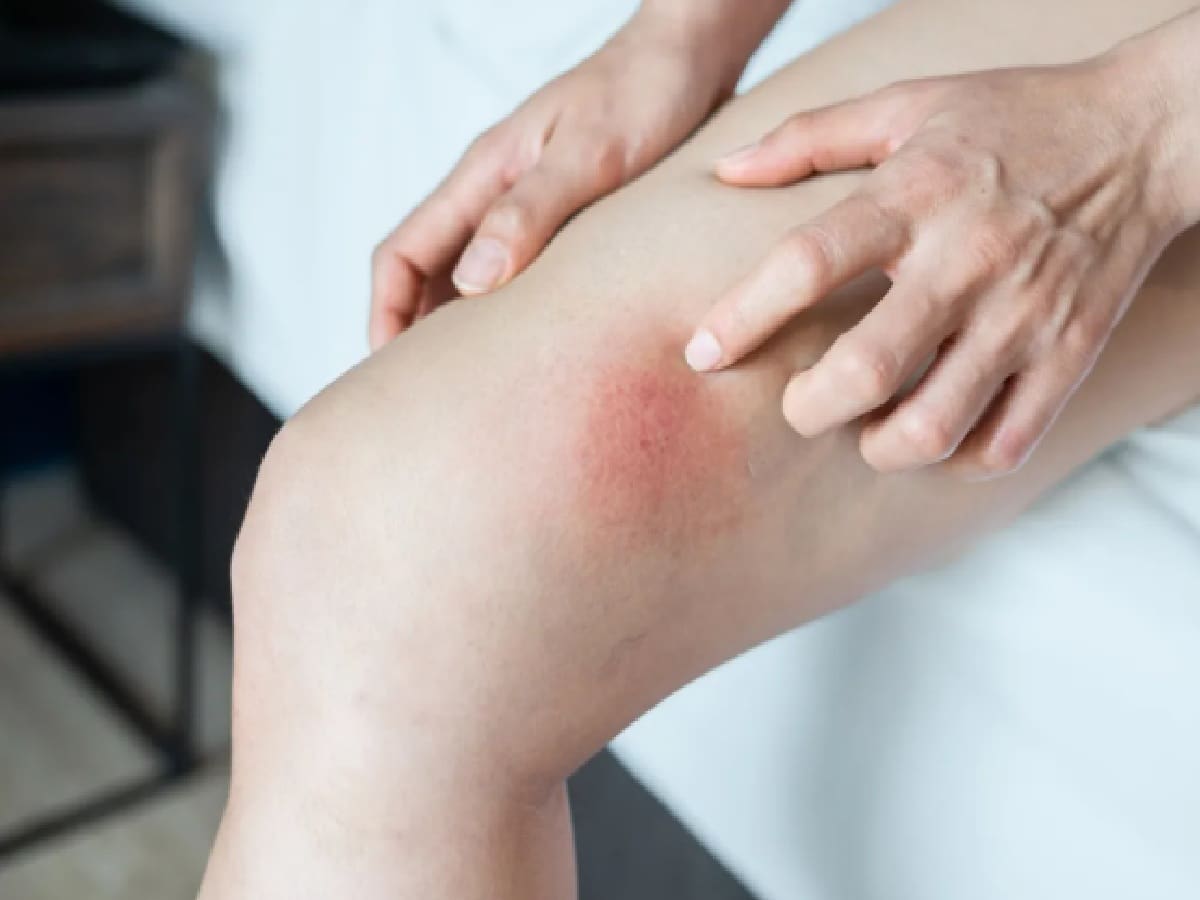
Mild redness, warmth, and a persistent burning sensation
-
Itching, dryness, and stinging pain when walking or rubbing against clothing
-
Small raised bumps, fluid-filled blisters, or painful sores in advanced cases
-
Skin cracking and bleeding under extreme, untreated friction
Immediate Steps for Relief and Healing
If you are currently dealing with chafing, taking prompt, gentle action is essential to promote healing and stop further skin damage:
-
Stop the Friction: Take a temporary break from the activity causing the irritation to give your skin time to recover. Wear loose, clean, breathable clothing that minimizes rubbing.
-
Control Moisture: Keep the affected area impeccably clean and dry. Use moisture-wicking garments, or gently apply cornstarch to absorb excess sweat (avoiding cornstarch if the skin is already broken).
-
Soothe the Skin: Cleanse the area with mild soap and water, pat it dry carefully, and apply a very thin layer of soothing aloe vera gel or petroleum jelly. Petroleum jelly acts as a protective barrier to minimize friction against clothing.
How to Prevent Future Thigh Chafing
Preventing chafing requires proactive daily habits and smart clothing selections. Choose well-fitting garments made from advanced moisture-wicking athletic fabrics rather than heavy cotton, which holds onto sweat and stays damp for hours. If you enjoy running or cycling, apply anti-chafing sticks, specialized balms, or use protective athletic tape on high-friction zones before starting your workout.
When to Consult a Doctor
Mild chafing typically heals within a few days with proper care. However, if symptoms persist, worsen, or if the skin develops deep sores, excessive swelling, pus, or bleeding, you should consult a physician immediately. Persistent skin damage can open the door to secondary bacterial or fungal infections—such as jock itch—which require targeted medical treatment rather than simple home care.