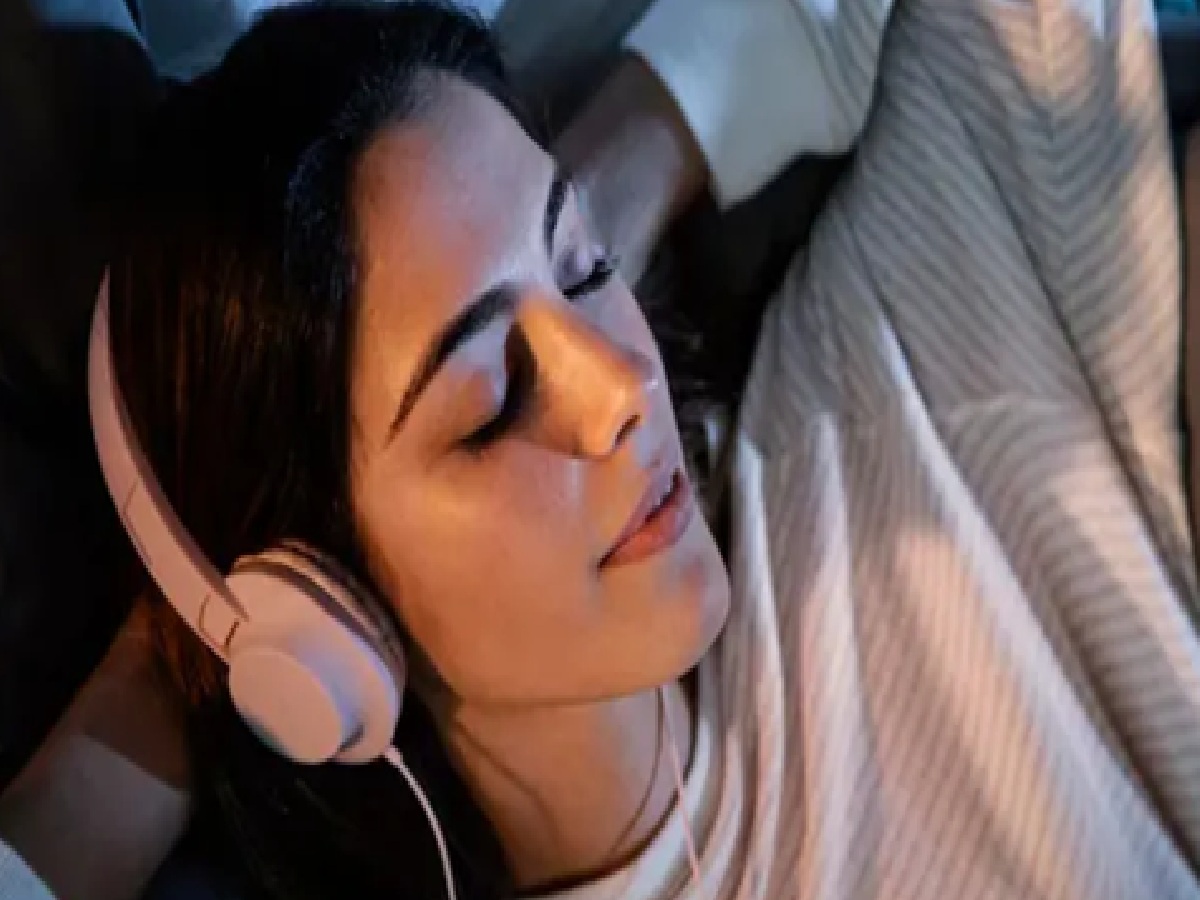
Sleeping with Earbuds, Here’s Why Your Nightly Habit Might Be Hurting Your Ears
Many people find comfort in falling asleep to podcasts or white noise, but if you’re doing so with earbuds tucked firmly in your ears, you might be setting yourself up for long-term health issues. While a quiet playlist can aid sleep, the physical act of sealing your ear canal for eight hours a night can create a breeding ground for bacteria and interfere with your ear's natural recovery processes.
The Hidden Risks of Overnight Use
Our ears are designed to breathe; that open channel allows moisture to escape and maintains the health of the ear canal. By inserting snug-fitting earbuds, you effectively block this ventilation, trapping moisture inside and creating an ideal environment for bacterial growth. If you are prone to skin irritation, have existing scratches, or sensitive eardrums, this habit significantly increases your risk of developing painful infections characterized by itching, fluid discharge, and persistent discomfort. Furthermore, constant earbud use can disrupt the natural migration of earwax, causing it to build up and potentially lead to feelings of fullness, ringing, or even temporary hearing loss.
Sound Safety: Are You Playing at a Dangerous Volume
Beyond physical blockage, the volume of the audio you choose is paramount. According to the World Health Organization, consistent exposure to sounds above 80 decibels—like loud music or noisy environments—for more than 40 hours a week can lead to permanent hearing damage. While listening to soft, low-volume audio is generally safe, ensure your devices are monitored. Modern smartphones, including both iOS and Android systems, feature built-in tools to track decibel levels. A good safety test: ensure you can still hear essential sounds, like your smoke detector or morning alarm, even with your audio playing.
Better Alternatives for Your Sleep Routine
If you absolutely must have audio to drift off, you don't necessarily have to go cold turkey. To minimize risks, consider these safer habits:
-
Opt for Breathable Designs: Choose soft, over-the-ear headphones or specialized sleep headbands with built-in speakers. These provide better airflow and eliminate the "plug" effect that causes moisture buildup.
-
Pillow Speakers: Look for thin, flat speakers that can be tucked inside your pillowcase. They deliver clear sound without entering the ear canal at all.
-
Keep it Clean: If you continue to use in-ear buds, ensure they are thoroughly cleaned and don't completely seal the ear. If you notice persistent itching or pain, it may be an allergic reaction to the materials, and it’s time to switch brands.
Ultimately, your ears are delicate organs that need to "breathe" during your sleeping hours. By opting for non-invasive audio solutions and keeping your volume at a conversational level (60–70 decibels), you can enjoy your bedtime soundtrack without compromising your ear health.