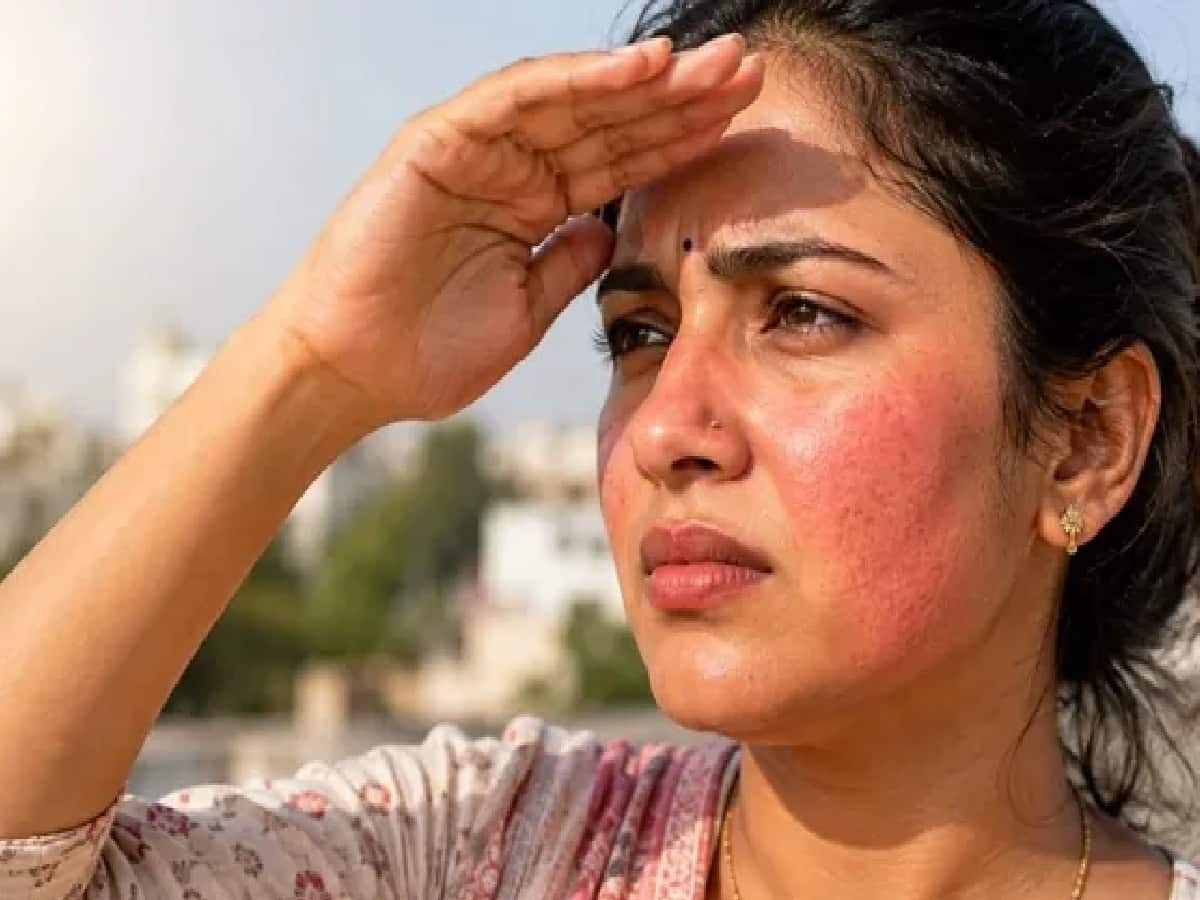
Is Sun Exposure Causing Redness and Itches, Recognizing the Signs of PMLE
While standard tanning and mild discomfort from heat are common during outdoor activities, some individuals experience severe, unusual skin reactions shortly after stepping into the sunlight. If your skin develops persistent red rashes, bumps, or intense itching after sun exposure, it is vital not to dismiss it as ordinary irritation. These symptoms frequently point toward Polymorphous Light Eruption (PMLE), a common sun-induced allergy that requires proper awareness, careful management, and targeted protection.
What is Polymorphous Light Eruption (PMLE)
Polymorphous light eruption is an immune-mediated skin allergy triggered directly by exposure to ultraviolet (UV) rays from the sun. Unlike immediate sunburns, PMLE reactions typically manifest hours or even days after outdoor exposure.
When affected individuals are exposed to sunlight, their immune system mistakenly identifies altered skin molecules as foreign invaders. This triggers an inflammatory immune response, resulting in an itchy, bumpy, and red rash on sun-exposed areas such as the arms, chest, neck, legs, and back.
Common Symptoms and High-Risk Groups
PMLE can present itself through several distinct skin manifestations, making recognition key to proper care:
-
Small, raised pimples or papules
-
Red or white itchy hives
-
Eczema-like scaly patches
-
Fluid-filled blisters accompanied by intense redness and itching
While anyone can experience light sensitivity, this condition is most frequently observed in women aged 20 to 40 who possess a personal or genetic history of sun-sensitive skin.
Prevention and Management Strategies
Because PMLE flare-ups are most prevalent when solar radiation is at its peak between 11:00 AM and 3:00 PM, preventive care focuses heavily on minimizing direct UV contact. Effective protective measures include:
-
Broad-Spectrum Sunscreens: Consistently applying high-SPF broad-spectrum sunscreens that block both UVA and UVB rays.
-
Protective Clothing: Wearing lightweight, full-sleeved garments and wide-brimmed hats when venturing outdoors.
-
Phototherapy: In recurring cases, controlled medical exposure to natural or artificial UV light under professional guidance helps desensitize the skin.
When to Seek Immediate Medical Attention
While mild cases of PMLE often resolve on their own once the skin is shielded from sunlight, certain red flags require prompt professional intervention. If your skin rash is accompanied by severe physical pain, high fever, or systemic discomfort, consult a dermatologist immediately, as these may signal a more serious underlying dermatological condition.