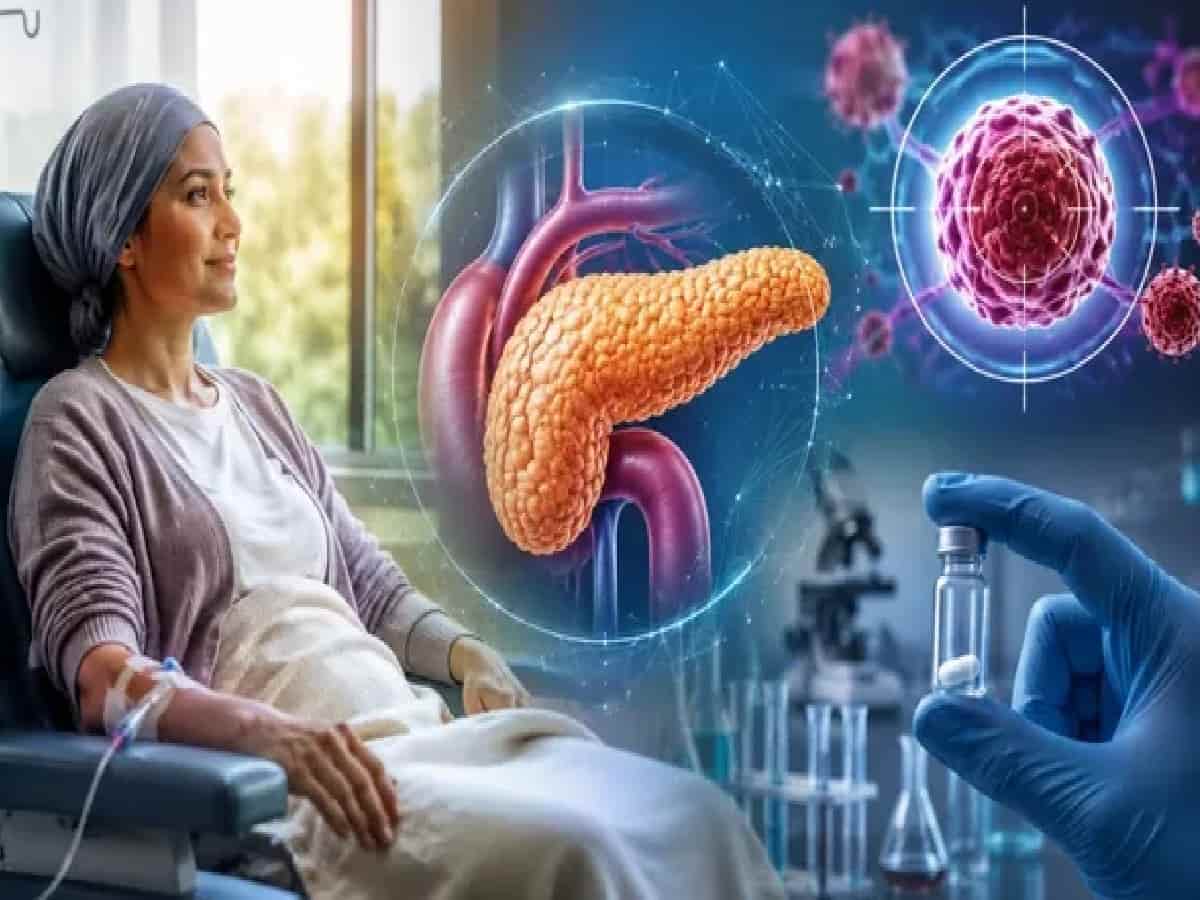
FDA Approves Groundbreaking Pancreatic Cancer Drug 'Daraxonarasib' That Doubles Patient Survival Time
Pancreatic cancer has long stood as one of the most aggressive and deadliest forms of malignancies, often diagnosed late and plagued by the severe, painful side effects of conventional chemotherapy. However, decades of tireless research have finally yielded a monumental breakthrough in modern medicine. The United States Food and Drug Administration (FDA) has officially approved a revolutionary new targeted medication called daraxonarasib, marking a historic turning point in oncology and offering fresh hope to advanced cancer patients worldwide.
How Daraxonarasib Targets and Suppresses Tumor Growth
Developed by Revolution Medicines, daraxonarasib represents a first-of-its-kind pharmacological achievement designed to tackle the stubborn mutated proteins responsible for driving tumor progression. Traditional treatments have struggled against the dense microenvironment of pancreatic tumors, but this novel drug successfully blocks the mutated protein inside the body, reducing tumor growth by an astounding 90%.
Clinical trials evaluated approximately 500 patients whose cancer had already metastasized and for whom primary lines of treatment had ceased working. The results showed that patients receiving daraxonarasib experienced minimal side effects compared to traditional toxic chemotherapy regimens, offering a vastly improved quality of life during treatment.
Doubling Patient Survival Time: Clinical Trial Results
The clinical impact of daraxonarasib is nothing short of revolutionary. According to trial data, patients treated with the new drug achieved a median survival time of 13.5 months, effectively doubling the survival rate compared to those receiving standard chemotherapy alone, who recorded a survival time of 6.7 months.
While medical experts note that daraxonarasib is not a complete cure for pancreatic cancer in its advanced stages, it serves as an extraordinary and powerful therapeutic alternative to chemotherapy, significantly extending life expectancy and easing patient suffering.