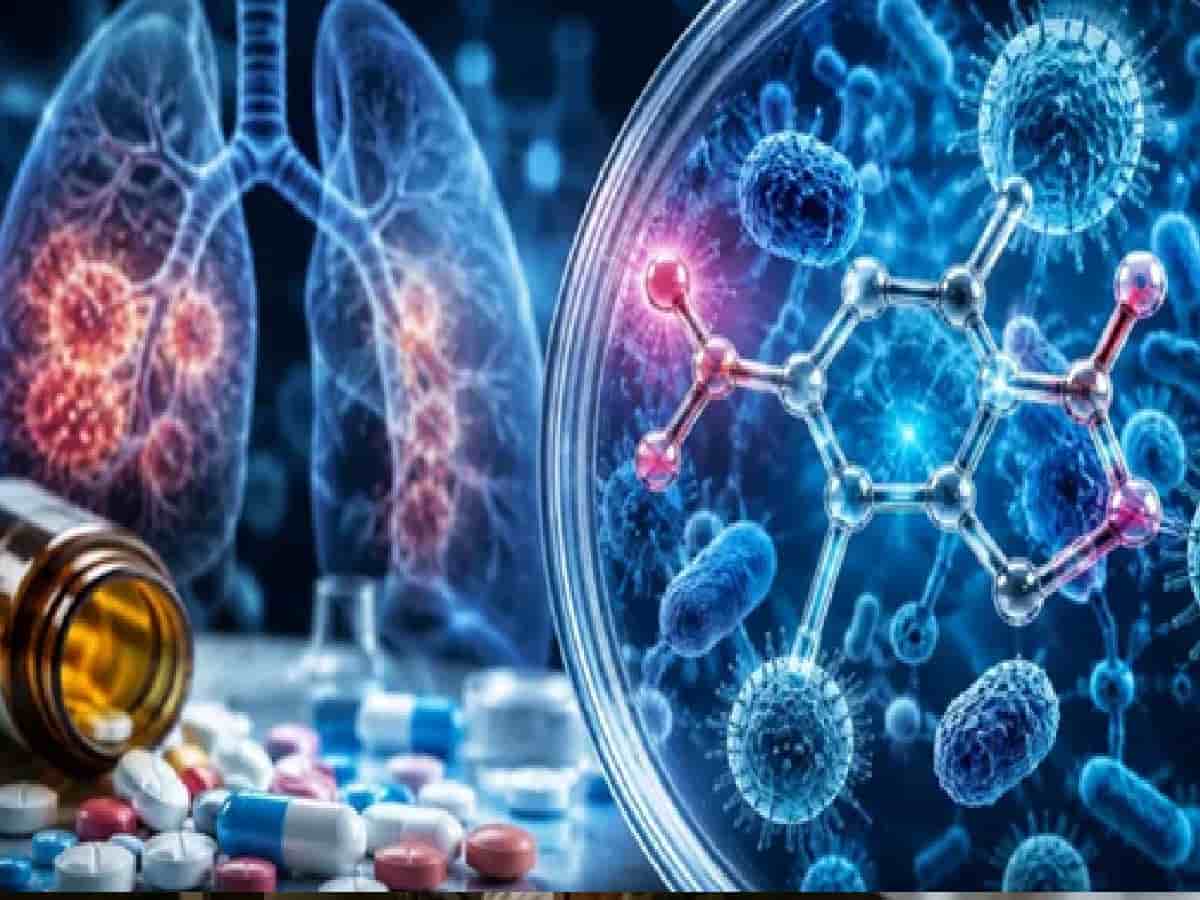
FDA-Approved Cancer Drug Found Effective Against Drug-Resistant Pneumonia Bacteria
In an extraordinary breakthrough that could reshape modern medicine, scientists have found an innovative solution to combat the growing global health crisis of antimicrobial resistance (AMR). Over recent years, infectious bacteria have increasingly developed resistance to traditional treatments, rendering standard antibiotics ineffective and threatening millions of lives worldwide. However, researchers have now discovered that an established cancer medication can successfully target and neutralize drug-resistant strains of pneumonia-causing bacteria, offering renewed hope to patients and medical professionals alike.
Rajiv Gandhi Centre for Biotechnology Leads the Breakthrough
Scientists at the prestigious Rajiv Gandhi Centre for Biotechnology (RGCB) have made headlines by demonstrating that a specific, FDA-approved oncology drug can be repurposed to fight dangerous bacterial pathogens. Published in mBio, the official journal of the American Society for Microbiology, this landmark study highlights how repositioning existing medications can bypass the limitations of conventional antibiotics. With antibiotic-resistant infections currently responsible for over one million deaths annually across the globe, this discovery marks a monumental step forward in infectious disease management.
How Sorafenib Neutralizes Streptococcus Pneumoniae
The research specifically identified sorafenib—a medication widely utilized in cancer treatment—as a powerful agent against Streptococcus pneumoniae, which stands as one of the leading global causes of bacterial pneumonia. According to the findings, sorafenib works by effectively inactivating a critical bacterial regulatory protein rather than relying on standard antibiotic pathways. This novel mechanism not only neutralizes the resilient pathogen but also opens up entirely new therapeutic avenues for treating respiratory infections that no longer respond to conventional drug regimens.
Accelerating Next-Generation Antimicrobial Therapies
Medical experts anticipate that this discovery will significantly accelerate the development of next-generation antimicrobial treatments targeting bacterial regulatory enzymes. By expanding research into drug repurposing, scientists hope to reduce reliance on traditional antibiotics, providing a vital new weapon against drug-resistant pathogens. As antimicrobial resistance remains one of the world's most critical public health challenges, this scientific milestone paves the way for innovative therapeutic strategies that could save countless lives in the future.