Does the First Cigarette Damage Your Lungs, The Truth About Occasional Smoking
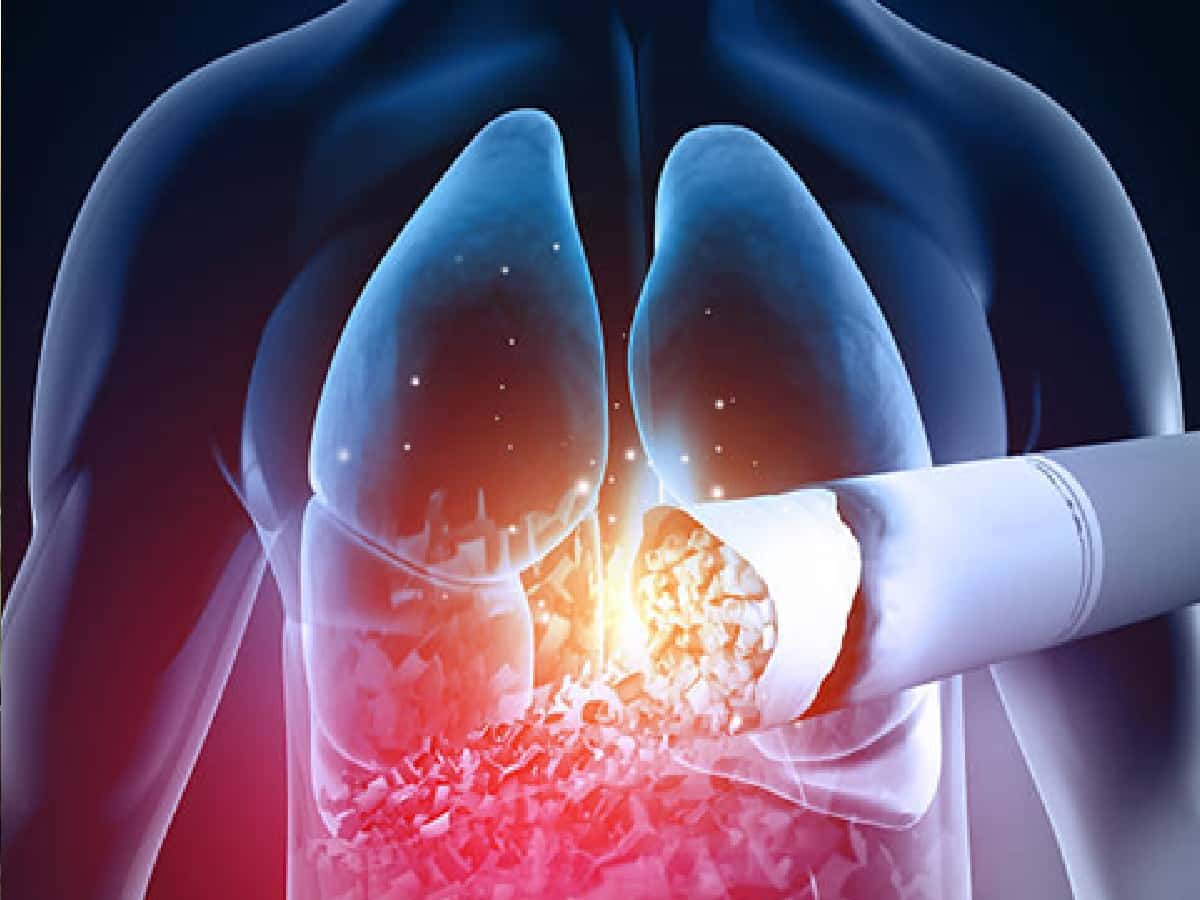
A widespread and dangerous misconception persists among many individuals that the severe, life-threatening health consequences of cigarette smoking only materialize after decades of heavy consumption. This false sense of security often leads casual smokers and young adults to console themselves with the belief that lighting up occasionally at social gatherings or smoking just a few cigarettes a week poses no real threat to their well-being. However, medical experts emphasize that this assumption is entirely incorrect. According to leading pulmonologists, cigarette smoke begins wreaking havoc on the human body right from the very first puff, initiating cellular changes and cardiovascular strain long before noticeable symptoms ever appear on the surface.
Immediate Physiological Impact: What Happens After the First Cigarette?
According to Dr. Sameer Garde, Director of the Department of Pulmonology and Lung Transplant at Gleneagles Hospital in Parel, cigarette smoke immediately targets not only the respiratory system but also the heart and blood vessels. Dismissing the notion that the body remains unharmed during the initial years of smoking, Dr. Garde highlights that biological tissues react the moment toxic smoke is inhaled. The immediate physiological consequences include an abrupt spike in heart rate and blood pressure, alongside localized irritation and inflammation within the delicate airways of the lungs. Because this initial damage is often subtle and asymptomatic, many smokers mistakenly believe they are completely healthy, allowing them to justify continuing the habit as the silent internal damage steadily compounds over time.
Why Feeling Healthy Does Not Mean You Are Safe
The absence of prominent warning signs—such as a chronic smoker’s cough, shortness of breath, or sudden chest discomfort—does not mean that the body is escaping unscathed. Cigarette smoke triggers microscopic, progressive changes within internal organs that develop gradually and remain hidden for years. While major complications may take time to fully manifest, early warning indicators can appear surprisingly early, even after just a few years of casual use. Smokers should remain vigilant for red flags such as a persistent dry cough, breathlessness when climbing stairs, declining physical stamina, frequent chest infections, prolonged recovery times after physical exertion, and chronic throat irritation. Experiencing chest pain or breathing difficulties after smoking should never be brushed aside or ignored.
The Myth of Safe Limits: Is One Cigarette a Day Harmless
Many social smokers maintain the comforting illusion that limiting their intake to a single cigarette a day or participating exclusively in weekend social smoking is entirely harmless. Medical consensus flatly rejects this notion, establishing that there is no established safe threshold for tobacco consumption. Every single cigarette exposes the body to a toxic cocktail of harmful chemicals that directly compromise cardiovascular and respiratory health. Even occasional puffs inhaled at parties or with friends contribute to cumulative vascular and pulmonary risk. Fortunately, the human body possesses a remarkable capacity for cellular repair. As soon as an individual decides to quit smoking, internal healing mechanisms activate immediately, gradually restoring lung capacity and drastically reducing the long-term risk of heart disease, stroke, and pulmonary disorders at any age.