Dengue Relief This Monsoon: DCGI Approves India’s First Test-Free Vaccine ‘Qdenga’
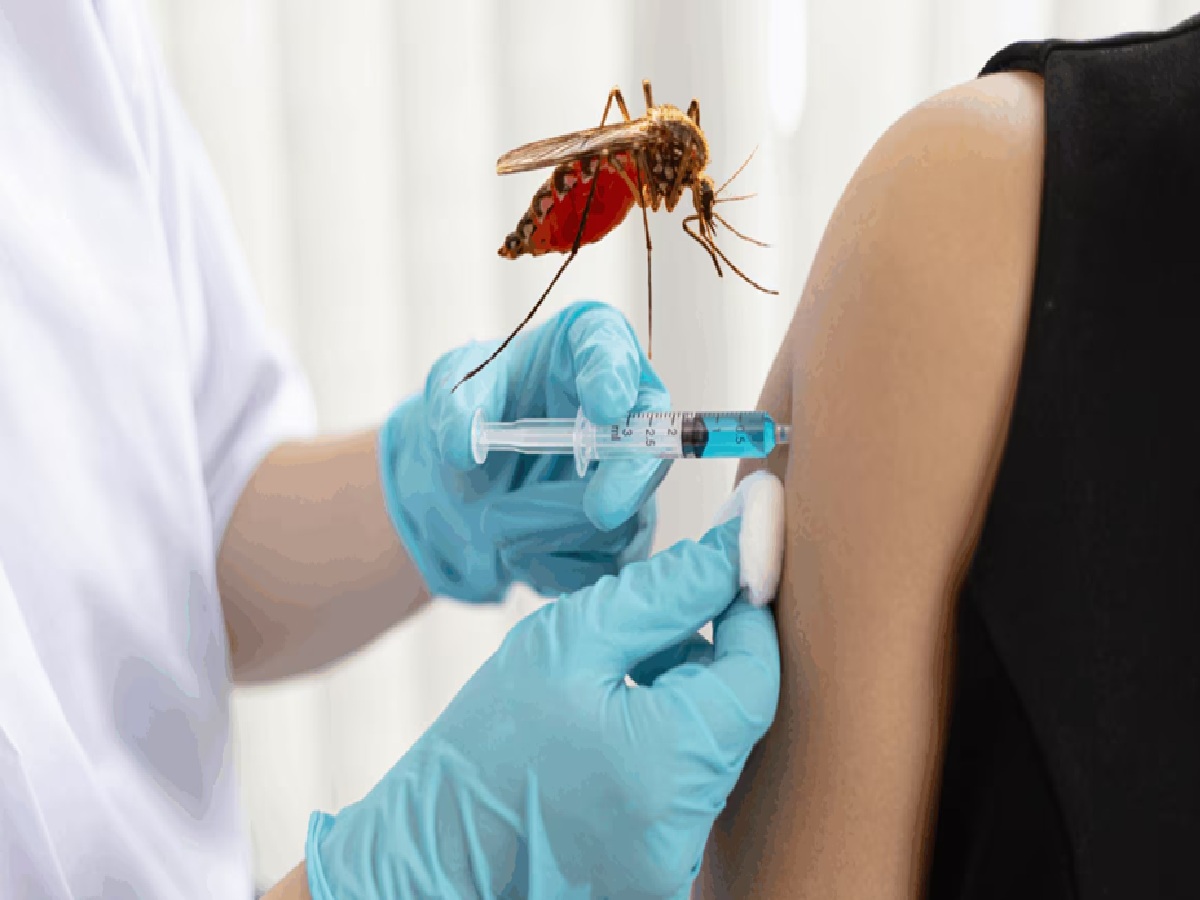
With the arrival of the monsoon season comes the annual threat of vector-borne illnesses, particularly dengue fever. According to data from the National Center for Vector Borne Disease Control, India recorded over 289,000 cases and nearly 1,200 deaths in 2023, followed by more than 310,000 cases and over 1,400 fatalities in 2024. In a historic health milestone, the Drug Controller General of India (DCGI) has officially approved the country's first dengue vaccine, "Qdenga." Designed to offer widespread protection during peak mosquito breeding seasons, its most revolutionary feature is that it requires no mandatory pre-vaccination blood testing.
What Is the Qdenga Vaccine and How Does It Fight the Virus
Developed by Japanese pharmaceutical giant Takeda, Qdenga is a live attenuated vaccine. It utilizes a weakened form of the dengue virus that triggers the body’s immune system to build robust antibodies without causing actual illness. Importantly, Qdenga provides broad-spectrum defense by simultaneously targeting all four dengue serotypes: DENV-1, DENV-2, DENV-3, and DENV-4.
Why a "No Testing Required" Vaccine Is a Breakthrough for India
Earlier global dengue vaccines carried a major limitation: individuals had to undergo blood screening to confirm prior dengue exposure before getting vaccinated. Administering older vaccines to someone who had never contracted dengue increased their risk of developing severe complications upon a future real-world infection. Qdenga eliminates this barrier. Extensive clinical trials involving over 20,000 children and adults demonstrated that the vaccine is safe and highly effective regardless of prior infection history—making it ideal for large-scale public health deployment in India.
Dosing Schedule, Efficacy Rates, and Hospitalization Reduction
Qdenga is approved for individuals aged 6 to 60. The regimen consists of two doses administered three months apart:
-
First Dose: Triggers initial immune recognition and antibody production.
-
Second Dose: Fortifies long-term immunity against severe disease progression.
Clinical trial data confirms that completing the two-dose course reduces overall dengue infection risks by 61 percent and slashes hospitalizations due to severe dengue fever by an impressive 84 percent.
Price, Availability, and Indigenous Manufacturing Partnership
While Takeda has yet to finalize the exact commercial price for India, initial estimates indicate a cost of ₹4,000 to ₹5,000 per dose in private hospitals and clinics. To scale up distribution, Takeda has partnered with Indian pharmaceutical major Zydus Lifesciences to manufacture the vaccine domestically. Local production will lower costs, accelerate nationwide supply chains, and enable India to export doses to other vector-prone nations across the globe.
A Powerful Weapon, But Mosquito Control Remains Critical
While the arrival of Qdenga marks a significant leap forward in preventative healthcare, health experts emphasize that vaccines are not a sole replacement for vector management. Eradicating dengue completely requires combined efforts: preventing stagnant water accumulation, managing mosquito breeding grounds, ensuring early medical diagnosis, and seeking prompt treatment alongside vaccination. When medical innovation and community awareness work hand in hand, the annual threat of dengue can be effectively controlled.