Can Green Smoothies Boost Fertility? IVF Expert Reveals Why Viral Wellness Hacks Can't Replace Timely Medical Treatment
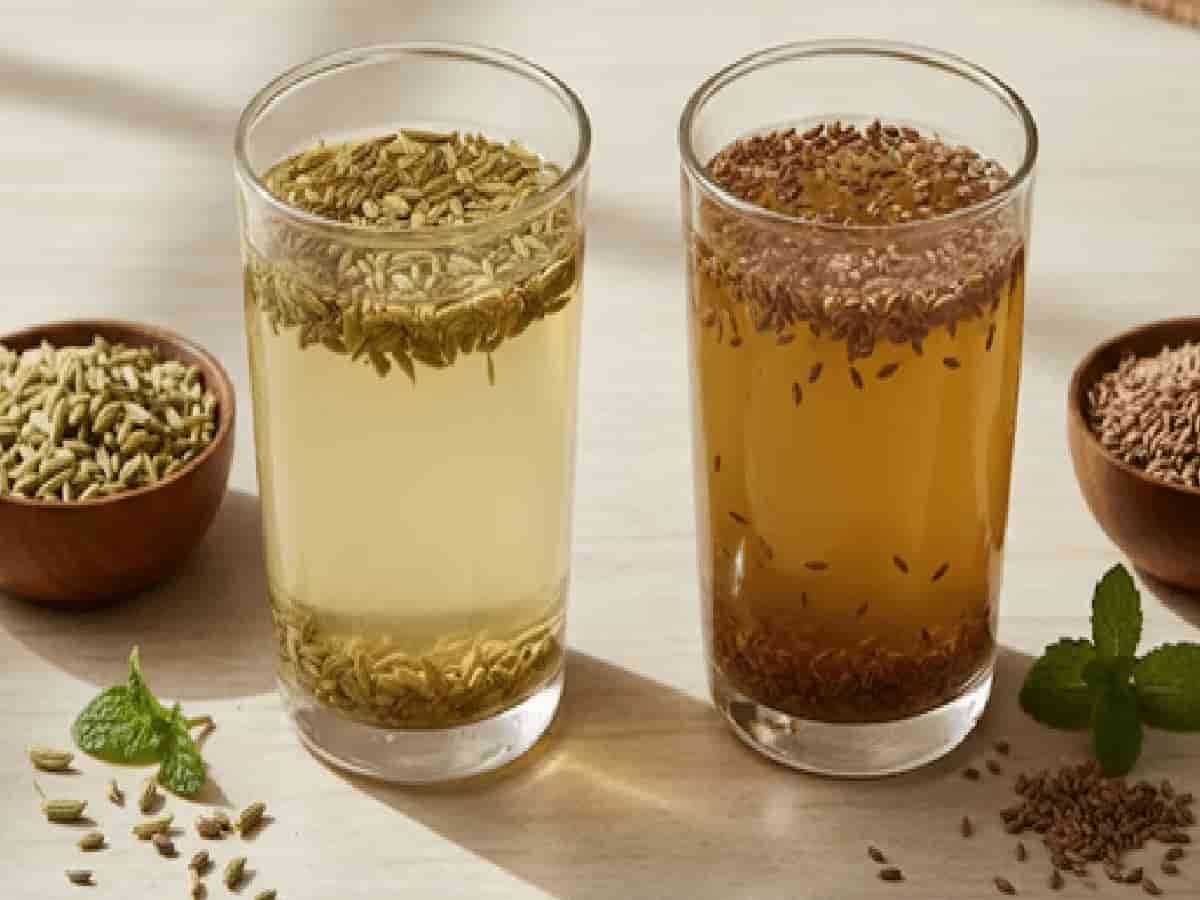
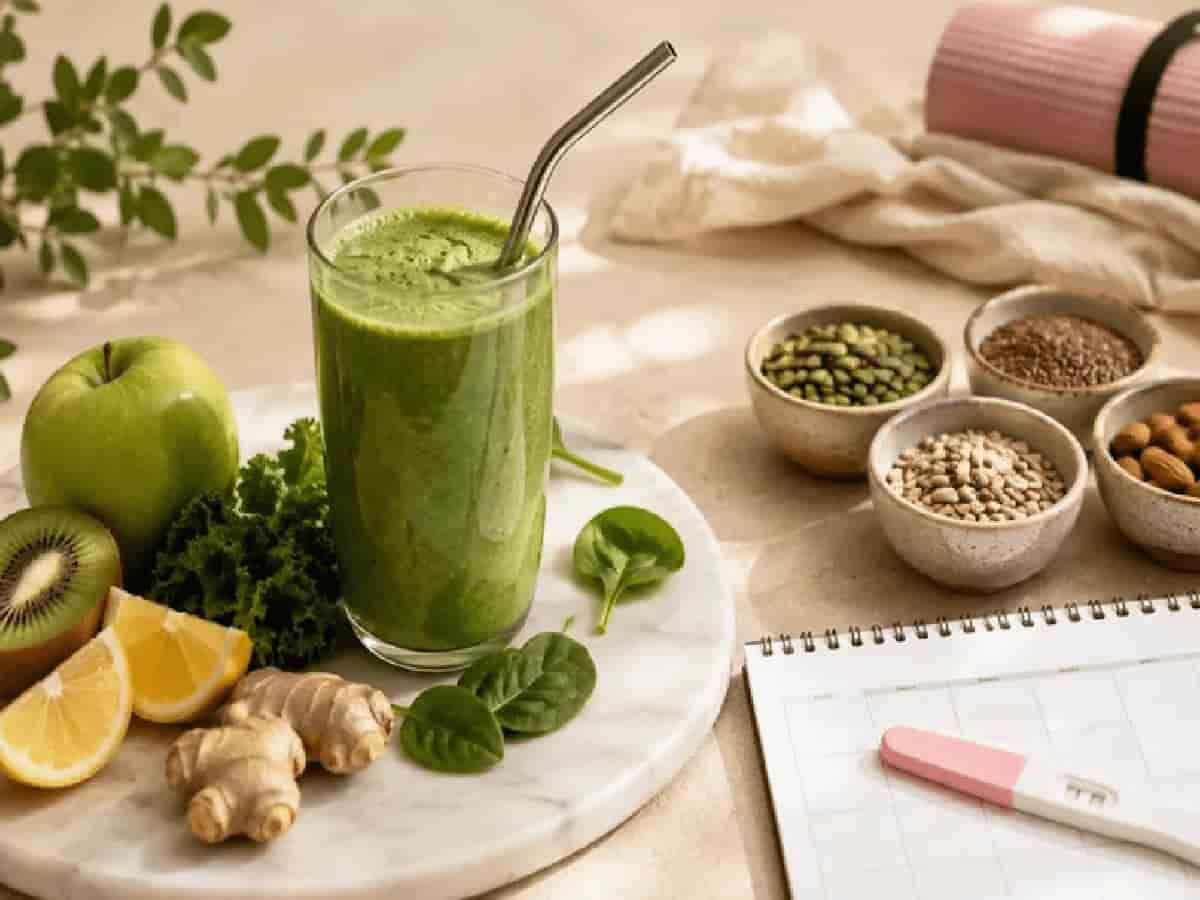
In the era of social media, feeds are constantly flooded with wellness trends, detox teas, seed cycling, and green smoothie recipes promising to "naturally boost fertility." While leading a healthy lifestyle undoubtedly supports reproductive wellness, relying solely on internet advice can be dangerously misleading. According to renowned IVF expert Dr. Richika Sahay Shukla, Co-Founder and Medical Director of India IVF Fertility, while healthy habits act as a wonderful support system, they can never serve as a substitute for professional medical evaluation and timely fertility treatment.
Healthy Lifestyle Supports Reproduction, But Cannot Cure Infertility
Leading a balanced life—maintaining adequate sleep, managing a healthy weight, avoiding smoking and alcohol, eating home-cooked meals, and staying active—undoubtedly improves overall egg and sperm quality. Dr. Shukla notes that she frequently prescribes these foundational changes to her patients. However, she draws a clear line between supporting reproductive health and curing medical conditions, emphasizing that "helping is not the same as curing."
Why Viral Fertility Hacks and Green Smoothies Fall Short
One of the most persistent misconceptions is that specific superfoods, cleanses, or supplements can magically reverse clinical causes of infertility. Dr. Shukla points out the stark reality: "No smoothie can open a blocked fallopian tube. Seeds won't dissolve endometriosis. A detox can't bring back the eggs a woman's ovaries have already lost with age. And no herb I've seen reliably fixes a very low sperm count." Structural and medical conditions require precise clinical diagnosis rather than wellness guesswork.
The Biggest Risk: Losing Precious Time Against the Biological Clock
Beyond financial expenses, the most dangerous cost of following viral wellness trends is the loss of time. Fertility operates on a strict biological clock, particularly for women over 35. Spending years chasing online health hacks can quietly drain the optimal window during which medical treatments are most effective. Furthermore, unrealistic wellness expectations often take a heavy psychological toll, leading couples to experience unwarranted guilt and self-blame when viral routines fail to yield results.
Combine Healthy Habits with Timely Medical Evaluation
Instead of treating wellness trends and clinical care as mutually exclusive, experts recommend embracing both. Couples should maintain wholesome diets and active lifestyles to optimize treatment outcomes, but they must not delay professional help. Medical guidelines suggest consulting a specialist if pregnancy hasn't occurred after one year of trying for couples under 35, or after six months for those over 35. A simple semen analysis, hormone panel, and pelvic ultrasound can provide definitive answers in a week that years of guesswork never could.