Wall Street Falls as Crude Surges Past $90, US-Iran Tensions Rise, and Fed Rate Fears Weigh on Sentiment
Domestic stock markets opened under noticeable pressure on Tuesday, mirroring weak global cues and cautious sentiment across international bourses. Investor anxiety has escalated following a sharp surge in crude oil prices above $90 per barrel, driven by mounting geopolitical tensions in West Asia around the Strait of Hormuz. Combined with rising US Treasury yields and growing speculation over the Federal Reserve's upcoming monetary policy decisions in September, global markets face renewed macro headwinds.
US Markets Decline as Oil Spikes and Treasury Yields Climb
Wall Street concluded Monday's trading session in the red as surging commodity prices and inflation fears rattled investors. The Dow Jones Industrial Average dropped 374 points, or 0.7 percent, to close at 53,185.90, pressured by weakness in heavyweights like Goldman Sachs and Alphabet. The S&P 500 slipped 0.3 percent, while the tech-heavy Nasdaq Composite edged down 0.1 percent.
Despite the daily pullback, US indexes wrapped up August on a strong footing, with the Dow logging its fifth consecutive monthly gain and rising in 15 of the past 16 months. However, sentiment has shifted toward caution due to soaring crude oil prices. Brent crude jumped nearly 2.7 percent to cross $90 per barrel following escalations between the US and Iran. Consequently, the US 10-year Treasury yield climbed to nearly 4.75 percent—its highest level since January 2025—sparking renewed fears that potential Federal Reserve rate hikes in September will stoke inflationary pressures and constrain equity valuations.
West Asian Tensions Focus on the Strait of Hormuz
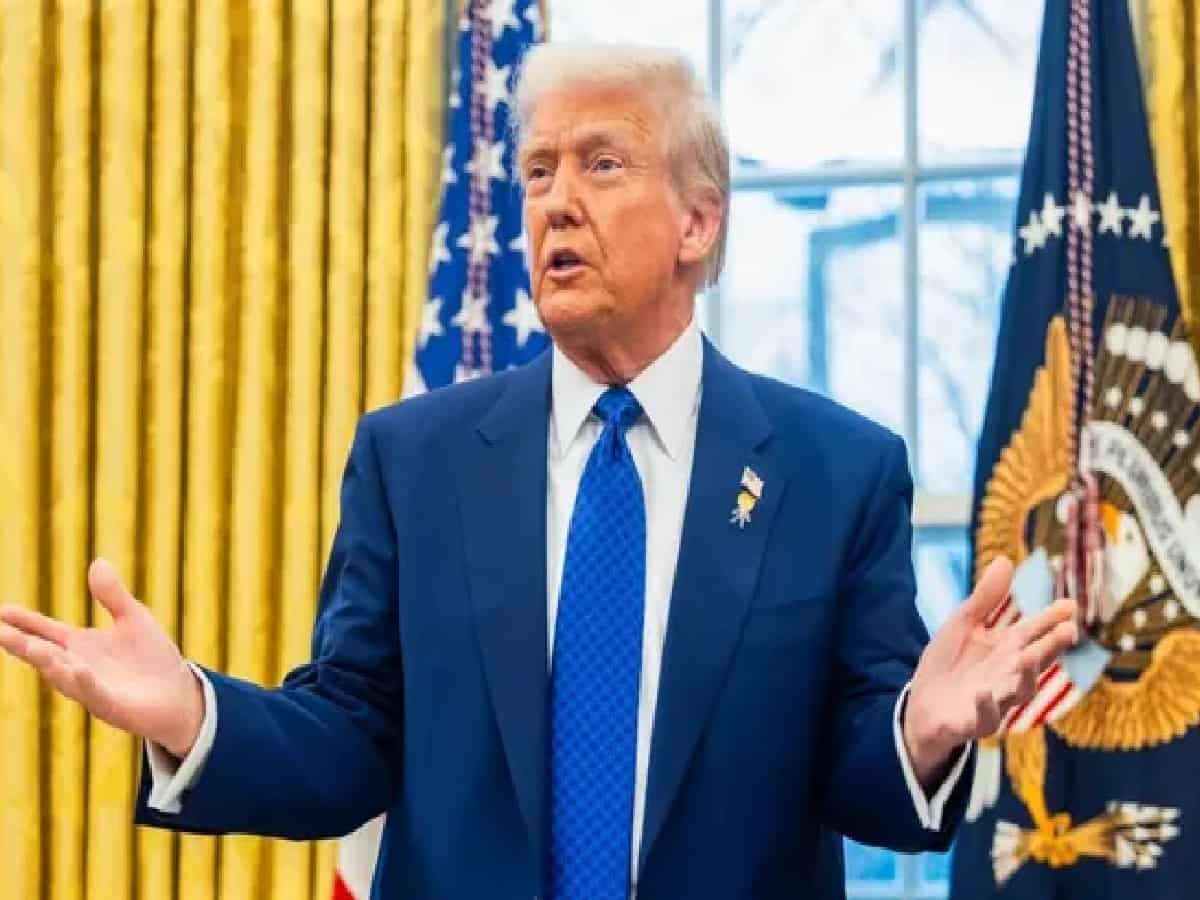
Geopolitical instability in West Asia remains a primary risk factor for global equities. Recent reports indicated that Iranian officials claimed to have intercepted a bulk carrier and struck an oil supertanker near the strategic Strait of Hormuz, though US Central Command disputed any mine-strike claims. Weighing in on the situation, US President Donald Trump downplayed the conflict as a relatively small war while asserting that conditions in the Strait remain manageable. Nevertheless, traders remain on high alert for any sudden disruptions that could send energy prices and global inflation soaring further.
Trump Announces Drug Pricing Deals With Nine Pharma Firms, Including Sun Pharma
In major corporate and healthcare policy developments, US President Donald Trump announced sweeping drug pricing agreements with nine major pharmaceutical companies, featuring prominent Indian drugmaker Sun Pharma alongside its subsidiary and industry peers. Under the newly brokered pacts, specific medications will be supplied to US state Medicaid programs at significantly discounted rates. Furthermore, the White House confirmed that these nine enterprises have collectively pledged $19.6 billion toward expanding domestic manufacturing infrastructure in the US, with select companies committing to supplying essential Active Pharmaceutical Ingredients (APIs) for the US Strategic Active Pharmaceutical Ingredients Reserve.
Key Macro Data and Earnings to Watch Today
Market participants are closely tracking a heavy calendar of macroeconomic releases and corporate scorecards to gauge near-term direction. In the United States, upcoming quarterly financial results from Palo Alto Networks, Dell Technologies, and MongoDB will provide critical insights into tech sector momentum. Additionally, investors will closely monitor upcoming macroeconomic indicators, including the latest Manufacturing PMI figures and JOLTS job openings data, for further clues regarding the health of the US economy.