Government Considers Reintroducing E10 Petrol via Premium Brands Like XP95 and Speed Amid E20 Backlash
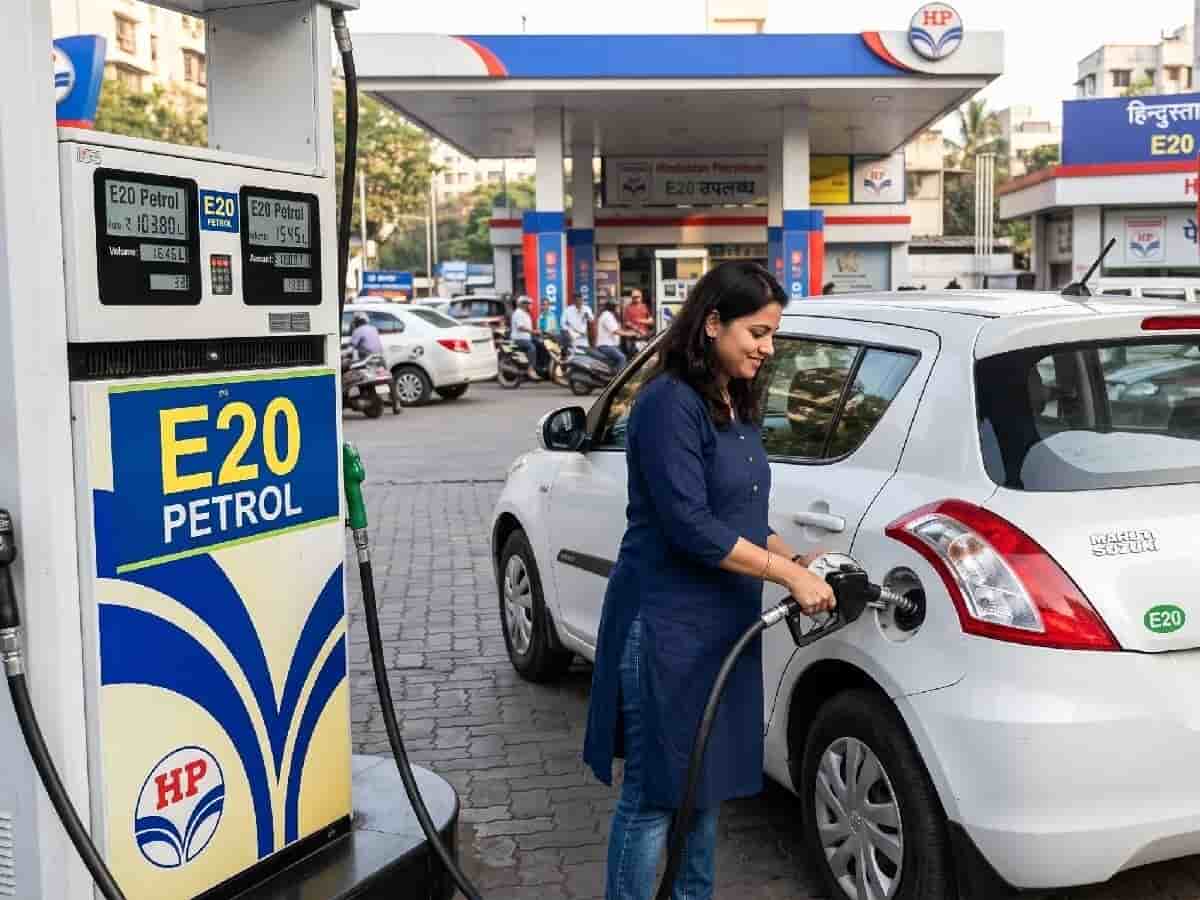
Facing mounting public concern and consumer complaints regarding the impact of high-blend E20 fuel on older vehicle engines and mileage, the central government is actively exploring a strategic policy shift. According to recent reports, authorities are in early discussions with state-run fuel retailers—IndianOil, BPCL, and HPCL—to evaluate the possibility of reintroducing E10 petrol (fuel with 10 percent ethanol blending) through existing premium branded offerings like XP95, Speed, and Power95.
Government Explores E10 Options via Premium Fuels
The country's ambitious ethanol blending roadmap has rapidly expanded over the past decade, transitioning from minimal blending percentages to the widespread rollout of E20 (20 percent ethanol blend). While the government and industry experts highlight environmental benefits—such as a 30 percent reduction in carbon emissions compared to E10—car owners and motorists have raised persistent concerns.
To address public anxiety without requiring massive investments in entirely new dispensing infrastructure, the Petroleum Ministry is examining whether existing 95-octane branded fuel supply chains can be utilized to dispense E10 formulations. Because premium fuels like XP95, Speed, and Power95 are already available across roughly 90,000 government-owned fuel pumps, leveraging this network could provide a practical alternative for owners of older vehicles seeking lower ethanol content.
Public Concerns Over Engine Health and Falling Mileage
The debate surrounding fuel standards has intensified among motorists, who frequently cite declining fuel efficiency and accelerated engine wear in older vehicles unoptimized for high ethanol blends. Union Road Transport and Highways Minister Nitin Gadkari previously acknowledged in Parliament that E20 petrol can reduce fuel economy by 2 to 6 percent depending on the vehicle model, though official durability tests have maintained that standard engines withstand the blend without major structural defects.
Despite government assurances, public demand for lower-blend fuel has steadily climbed. Many motorists report increased vehicle servicing requirements and reduced mileage, driving a surge in popularity for unblended or lower-blend alternatives. While pure non-ethanol Octane 100 fuel commands luxury pricing upwards of Rs 150 to Rs 170 per liter, the potential introduction of E10 within the popular 95-octane bracket could offer a balanced, premium solution for consumers worried about long-term engine preservation.