







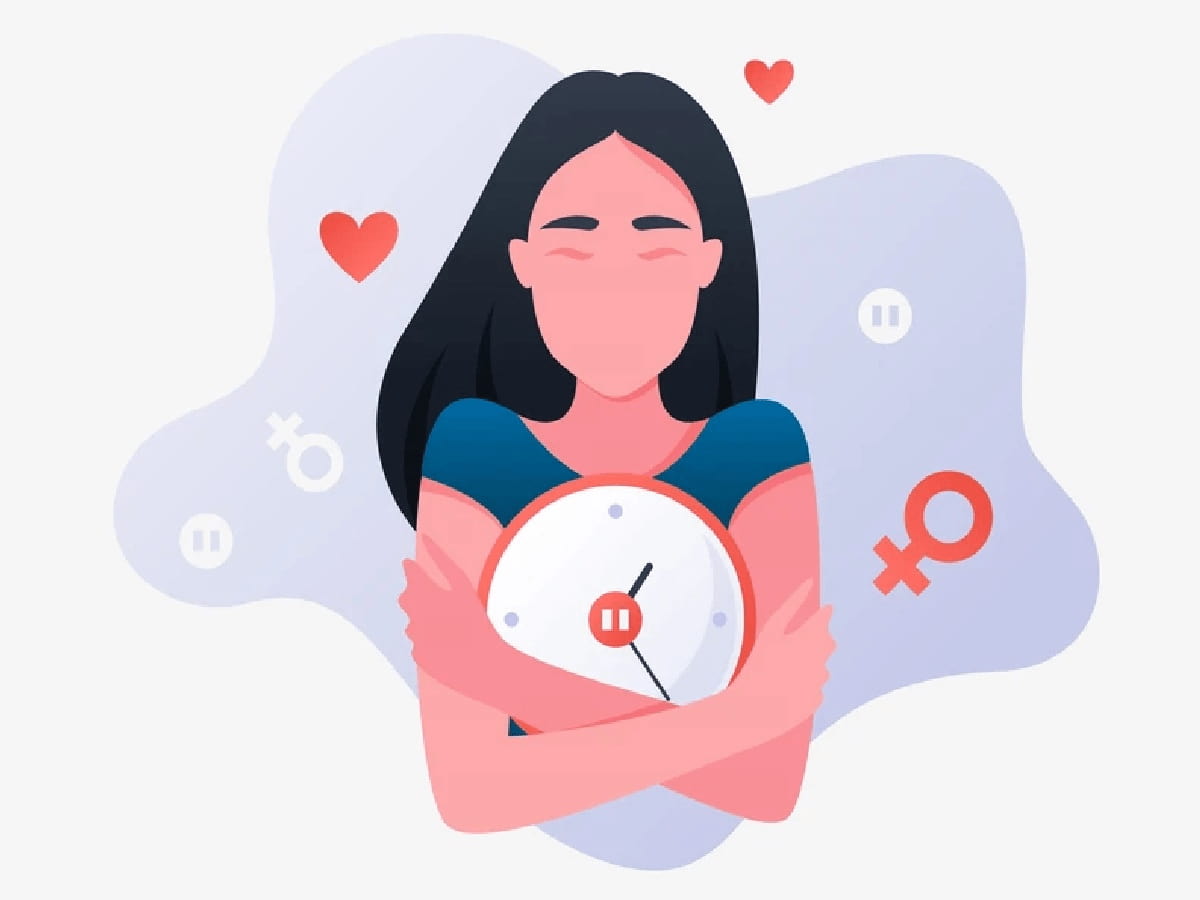
Why Women Must Stop Mistaking Menopause for Normal Aging
Reaching the milestone age of 40 often brings subtle biological shifts that many women routinely write off as typical tiredness, professional burnout, or simple signs of getting older. However, medical specialists point out that these physical and emotional fluctuations frequently represent the onset of a profound hormonal transition culminating in menopause. Defined clinically as the permanent cessation of monthly menstrual cycles confirmed after 12 consecutive months without bleeding, menopause is not a sudden overnight event. Instead, it unfolds through three distinct, progressive phases signaling the gradual decline of ovarian reserve, and learning to identify its earliest markers is crucial for safeguarding cardiovascular vitality and bone density over the long haul.
Understanding the Three Stages: From Perimenopause to Postmenopause
Rather than an isolated physiological milestone, the cessation of female reproductive fertility follows a well-defined multi-year biological timeline:
-
Perimenopause (The Initial Onset): Beginning roughly 8 to 10 years prior to complete cycle cessation, this transitional phase typically manifests around the age of 40 as the ovaries gradually diminish production of estrogen and progesterone.
-
Menopause (The Definitive Benchmark): The clinical diagnosis of menopause is formally established when menstruation ceases entirely for a full year without surgical or therapeutic intervention, marking the absolute cessation of ovulation and active ovarian estrogen release.
-
Postmenopause (The Long-Term Phase): Following menopause, women enter the permanent postmenopausal stage; due to the protective loss of circulating estrogens, this phase carries significantly heightened vulnerability to osteoporosis, fractures, and coronary heart disease.
Decoding the Warning Signs: Physical, Emotional, and Intimate Changes
Hormonal decline triggers a wide spectrum of interconnected symptoms that affect the body in three noticeable ways:
-
Physical Transformations: Classic somatic alerts include sudden hot flashes, heavy night sweats, unprompted joint and muscle aches, recurring headaches, chronic fatigue, metabolic weight gain, disrupted sleep patterns or insomnia, dry skin, and noticeable hair thinning.
-
Mental and Psychological Shifts: Estrogen fluctuation directly impacts neurotransmitters, manifesting as volatile mood swings, unprovoked irritability, heightened anxiety, persistent depressive thoughts, brain fog, difficulty concentrating, and short-term memory lapses.
-
Urogenital and Sexual Health Changes: Localized tissue atrophy frequently leads to vaginal dryness, painful intimacy, erratic cycle timings, urinary urgency, recurrent urinary tract infections (UTIs), and diminished libido.
Overcoming the Aging Myth: Why Prioritizing Hormonal Health Matters
Too often, women juggle professional commitments and household demands while ignoring bodily distress as an unavoidable tax of aging:
-
Distinguishing Aging from Hormonal Deficits: Dismissing debilitating night sweats, mood volatility, and chronic exhaustion as basic age-related wear-and-tear delays valuable medical support and lifestyle adjustments.
-
Preventive Screenings for Vital Organs: Establishing routine medical assessments—such as bone mineral density (DEXA) scans and lipid profiles—allows proactive prevention of fractures and cardiovascular complications in the postmenopausal years.
-
Empowered Self-Care: Proactive consultation with a gynaecologist enables tailored interventions, ranging from dietary modifications and structured resistance training to targeted hormone replacement therapy (HRT) where clinically appropriate.




