Toxic PM 2.5 Triggers Severe Vascular Inflammation and Cardiac Risks in Youth
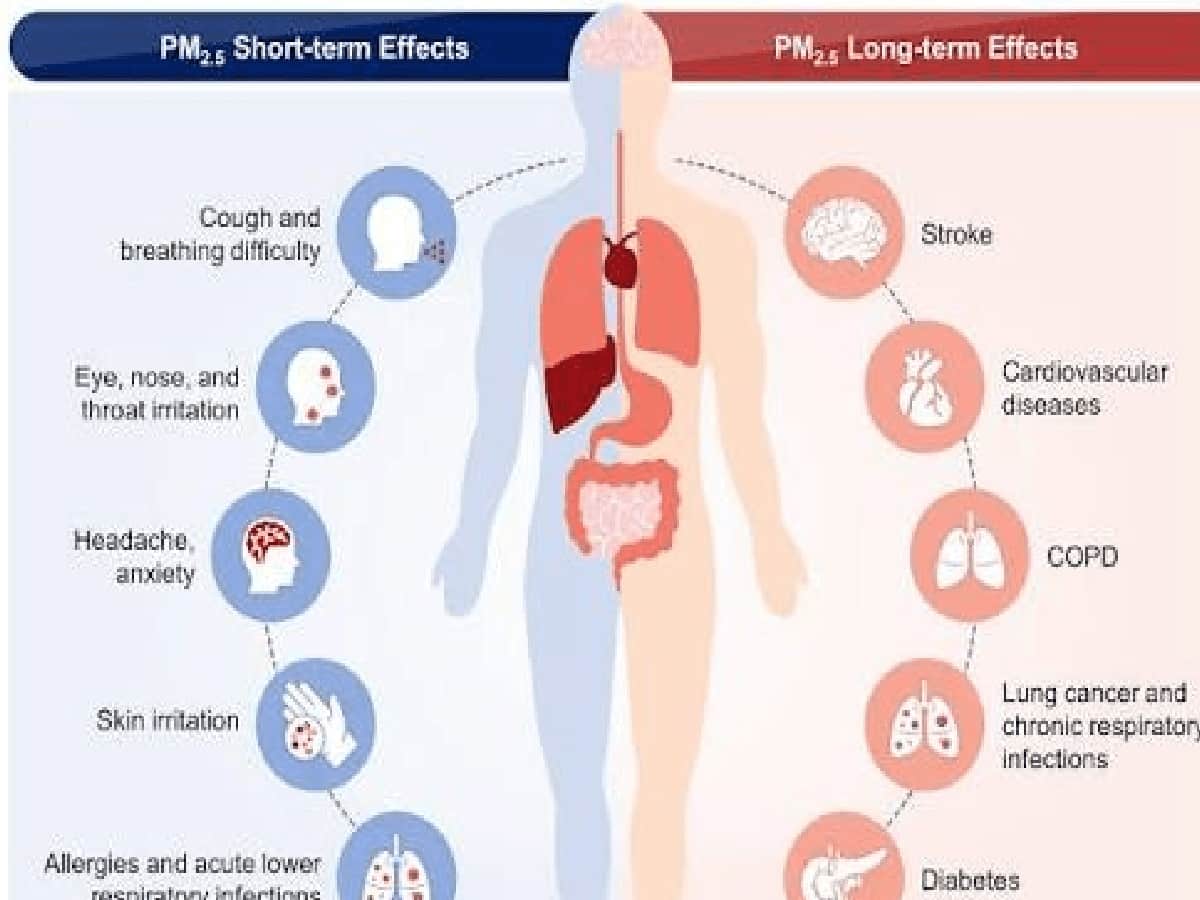
Fitness enthusiasts stepping out for early morning jogs and high-intensity workouts across the National Capital Region (NCR) are facing a silent, dangerous adversary: toxic particulate matter that directly harms the cardiovascular system. According to alarming clinical findings and environmental health evaluations, breathing heavy concentrations of fine particulate matter (PM 2.5) during aerobic exercise exacerbates vascular inflammation, oxidative stress, and endothelial dysfunction in young adults. With medical specialists warning that heavy inhalation of micro-toxins during outdoor workouts turns cardiovascular routines into severe biological stressors, Delhiites are being urged to recalibrate their morning fitness schedules before winter pollution peaks.
Alarming DU Study: Winter PM 2.5 Concentrations 18 Times Above WHO Thresholds
A comprehensive scientific investigation carried out by environmental researchers from Delhi University's Hindu College and Zakir Husain College highlights the extreme toxicity of the capital’s winter atmosphere:
-
Severe Winter Averages: Published in the international scientific journal Frontiers in Sustainable Cities, the study recorded an average winter PM 2.5 level of 269.35 micrograms per cubic meter across Delhi—nearly seven times India's national ambient air quality standard and an astonishing 18 times higher than the World Health Organization’s (WHO) safe threshold.
-
98% Readings Non-Compliant: Almost 98 percent of all winter air monitoring samples breached statutory national safety benchmarks, with peak winter days in late December skyrocketing past 700 micrograms per cubic meter.
-
Five-Fold Seasonal Surge: The study noted that atmospheric particulate concentration throughout winter months was over five times denser than levels observed during the summer and monsoon seasons, transforming ambient air into a hazardous chemical cocktail.
How Microscopic Particles Damage Arteries and Heart Health
Medical experts warn that the intersection of intense cardio routines and microscopic airborne pollutants creates serious internal vascular trauma:
-
Endothelial Damage and Clot Risks: Dr. Udgeeth Dhir, Chief Director of Cardiothoracic and Vascular Surgery at Fortis Hospital, Gurugram, cautioned that inhaling high volumes of PM 2.5 during deep exertion triggers acute inflammation along the endothelium—the delicate cellular inner lining of blood vessels—which accelerates plaque rupture, arterial stiffening, and sudden cardiac episodes.
-
Compound Health Stressors: Dr. Dhir emphasized that the rising incidence of early cardiovascular disease among youth is rarely driven by a single lifestyle lapse, but rather the cumulative collision of prolonged air pollution exposure, chronic sleep deprivation, elevated workplace stress, and sedentary routines that intensify hypertension, diabetes, and dyslipidemia.
-
Disrupted Autonomic Balance: Fine airborne particulates disrupt metabolic pathways and natural blood pressure regulation, while irregular sleep patterns compound systemic vascular inflammation.
Why High-Intensity Workouts in Bad Air Are Backfiring on Young Adults
Young professionals and fitness buffs who abruptly engage in strenuous physical exertion without factoring in ambient Air Quality Index (AQI) levels face heightened vulnerability:
-
Overstraining the Cardiovascular Engine: Heavy outdoor running or unconditioned high-intensity interval training (HIIT) forces deep, rapid lung ventilation, drawing millions of toxic micro-particles straight into the alveolar-capillary barrier and forcing the heart to pump under toxic load.
-
60.7% Experience Acute Symptoms: Field surveys conducted across youth demographics revealed that 60.7 percent of young people reported immediate symptoms—including persistent coughing, dry throat, sneezing fits, chest tightness, shortness of breath, and severe eye irritation—during peak pollution episodes.
-
Preventive Precautions for Fitness Buffs: Doctors advise transitioning to indoor workouts, utilizing HEPA-filtered fitness spaces, avoiding strenuous outdoor activities during peak early morning inversion hours (5:00 AM to 8:30 AM), and ensuring at least 7 to 8 hours of restorative sleep to allow vascular repair.