







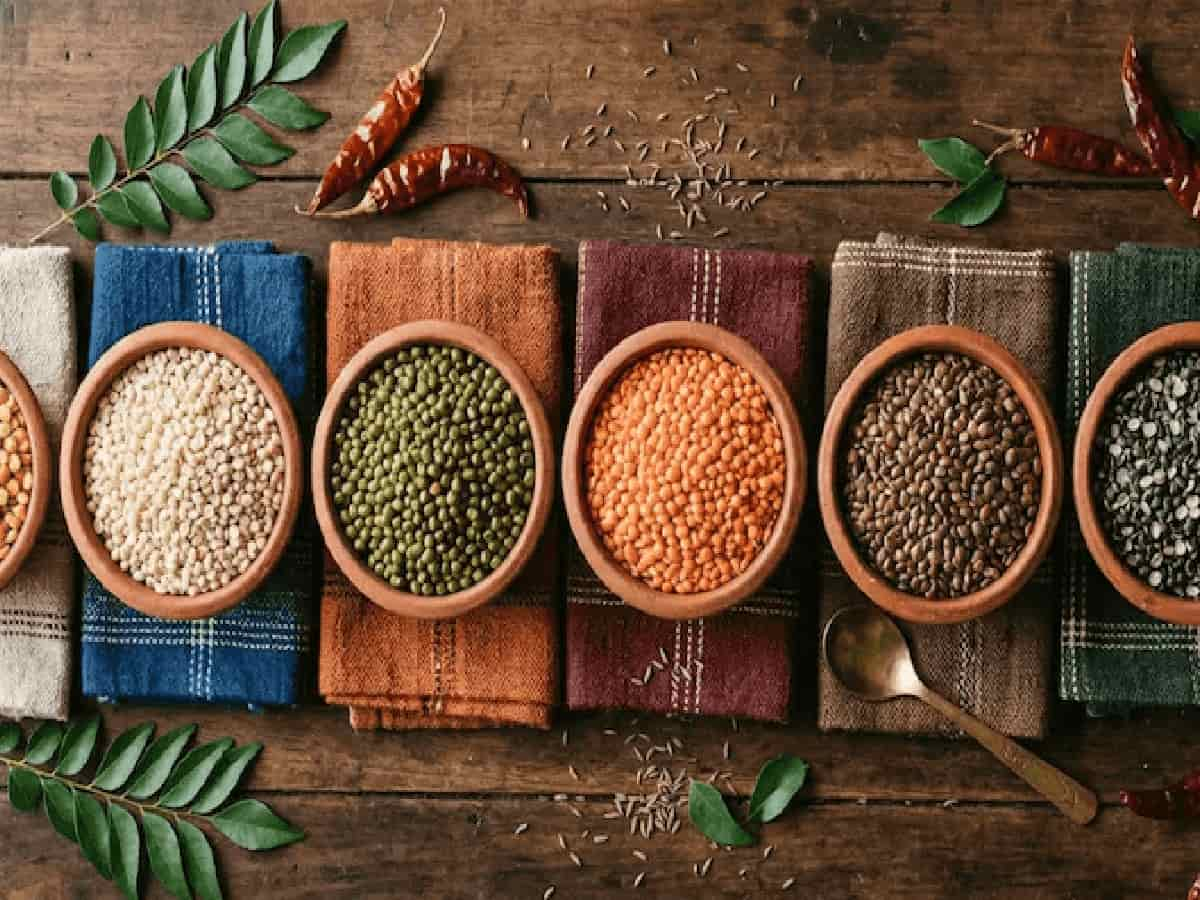
Top 5 Winter Lentils to Keep Your Body Warm, Boost Immunity, and Fight Lethargy
As temperature levels dip across northern and central India, strategic dietary adjustments become imperative to safeguard systemic health, combat winter lethargy, and sustain internal thermoregulation. During cold weather spells, the human metabolic system expends elevated energy reserves simply to maintain optimal body temperature while resisting seasonal bacterial and viral pathogens. Clinical nutritionists recommend turning to traditional Indian pulses as the primary source of organic heating and balanced sustenance. Lentils provide high-grade dietary protein along with insoluble fiber, bioavailable iron, complex carbohydrates, and essential micronutrients. According to Kamini Kumari, senior clinical dietitian at Diet Mantra Clinic, selecting specific varieties of pulses known for their inherent thermogenic properties effectively insulates the body from within while bolstering seasonal resistance against winter chills.
Horse Gram (Kulthi Dal): The Himalayan Winter Superfood
Widely consumed across hilly and northern terrains, Horse Gram ranks among the most potent thermogenic legumes:
-
Inherent Heating Nature: Packed with natural thermogenic compounds, Horse Gram raises internal body temperature, making it a staple food in mountainous cold belts.
-
Nutritional Powerhouse: Rich in plant-based protein, dietary fiber, and iron, it supports steady oxygen distribution and helps ward off cold-weather fatigue.
-
Versatile Culinary Uses: It is consumed as a rich broth, slow-cooked soup, or tempered side dish, serving as a trusted home remedy against winter congestion.
Bhatt Ki Dal: The Nutritious Black Soybean of the Hills
Hailing from Uttarakhand, the native black soybean known as Bhatt Ki Dal is a winter dietary staple:
-
Concentrated Protein Reserve: Bhatt is packed with essential minerals and complete proteins that provide extended satiety and sustained muscular stamina.
-
Long-Lasting Warmth: Consuming slow-simmered Bhatt ki Churkani or plain Bhatt dal warms the core, helping prevent the sluggishness that often sets in during prolonged cold spells.
Urad Dal (Black Gram): Building Strength and Vitality
Black gram is a foundational winter staple in Indian kitchens, prized for strengthening physical endurance:
-
Muscle Recovery and Stamina: Traditionally valued for its warming potency, Urad Dal reinforces joint flexibility, repairs muscle tissues, and relieves chronic weakness.
-
Winter Delicacies: Across northern homes, it is used to prepare slow-simmered dals, nutritious dal pakodas, and nutrient-dense winter pinni laddus blended with dry fruits.
Chana Dal and Arhar Dal: Everyday Immunity and Satiety
For daily nourishment, staple household varieties deliver consistent metabolic and immune support:
-
Chana Dal for Sustained Energy: Loaded with complex carbohydrates and slow-digesting dietary fiber, split chickpeas help stabilize blood sugar and prevent recurring hunger pangs in cold weather.
-
Arhar Dal (Toor) for Immune Defense: A classic pantry essential, pigeon pea dal supplies essential folate and minerals that support seasonal immunity and maintain day-to-day micronutrient balance.
Preparation Tips: Maximizing Digestion and Warmth
To unlock the maximum health benefits of winter lentils, cooking techniques and digestive aids are key:
-
Tempering with Warming Aromatics: Prepare your lentils using pure desi ghee, fresh crushed garlic, ginger, hing (asafoetida), and mild whole spices to stimulate gastric enzymes and ease digestion.
-
Balancing with Fresh Greens: Pairing cooked lentils with seasonal leafy vegetables, warm salads, or whole grains yields a balanced, energy-rich winter plate.




