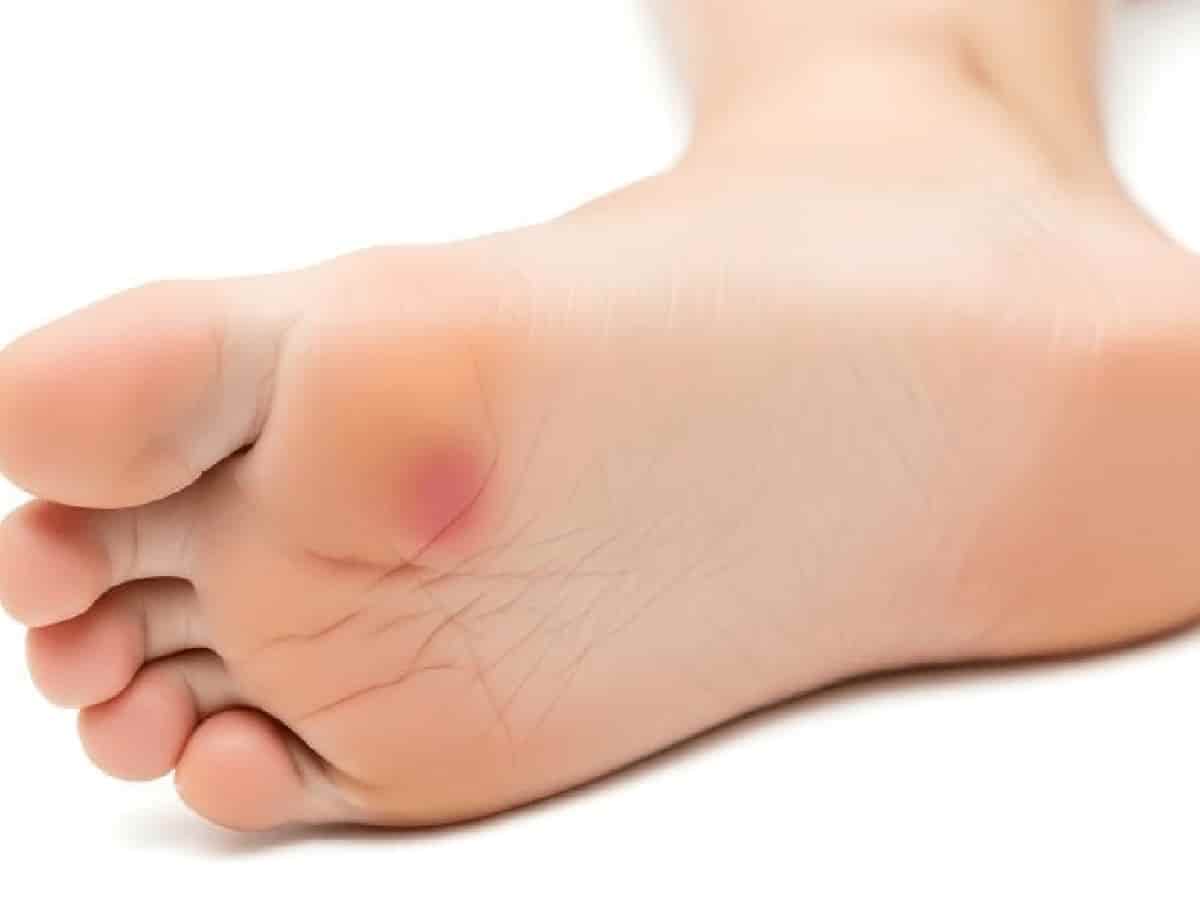
The 'Break-In' Trap: Why Squeezing Into Tight Shoes Causes Corns, Blisters, and Knee Strain
Shoppers frequently fall into a costly footwear trap, prioritizing aesthetic design, seasonal colors, and appealing prices while overlooking the anatomical space their feet require. A common consumer rationalization is purchasing a favorite pair that pinches or squeezes the toes under the mistaken belief that the leather or fabric will naturally stretch and break in over time. Orthopedic surgeons and podiatrists warn that relying on footwear to stretch is a hazardous health gamble that induces lasting structural deformities. Wearing undersized or excessively narrow shoes concentrates unnatural pressure on the metatarsals and toes, permanently altering natural walking gait and biomechanics. The dangers escalate further with high heels, where prolonged wear shifts kinetic load distributions across the forefoot and elevates mechanical stress on the knees.
Anatomy of Toe Compression: How Narrow Toe Boxes Trigger Corns, Blisters, and Friction
When footwear is too short or tapers aggressively at the front, the toes are denied the room needed to spread naturally. This sustained lateral and vertical compression forces the digits to crowd together, creating continuous shearing friction against the shoe interior that causes painful blisters, deep corns, and thickened hyperkeratotic calluses. Proper shoe sizing extends beyond simple heel-to-toe length; width and toe-box volume are equally critical parameters. The toes serve as dynamic stabilizers responsible for propulsion and balance throughout the gait cycle. If toes are crushed together without room for independent movement, the foot cannot absorb ground impact, leading to bunions and severe nerve entrapment syndromes. While shopping, individuals should always walk several paces to assess comfort: if sharp pinches, rubbing, or tight friction are detected, the shoe should be left on the shelf.
High Heel Biomechanics: How Elevated Footwear Increases Joint Stress on the Knees
The physiological consequences of ill-fitting footwear extend upward along the kinetic chain, particularly when elevated heels are involved. Elevating the heel tilts body mass forward onto the delicate metatarsal heads, forcing the foot downward into the toe box and intensifying forefoot compression. Clinical meta-analyses indicate that frequent or prolonged use of high heels significantly increases adduction moments and biomechanical loads across the knee joints during walking, substantially elevating the lifetime risk of osteoarthritis and musculoskeletal back strain. While occasional heel wear may not cause lasting injury for everyone, routine reliance on towering heights combined with loose heel slippage or constricting toe boxes compounds the damage. Selecting footwear with a broad, anatomically contoured toe box, stable arch support, and appropriate structural width remains essential to protect joint longevity and maintain pain-free mobility.