







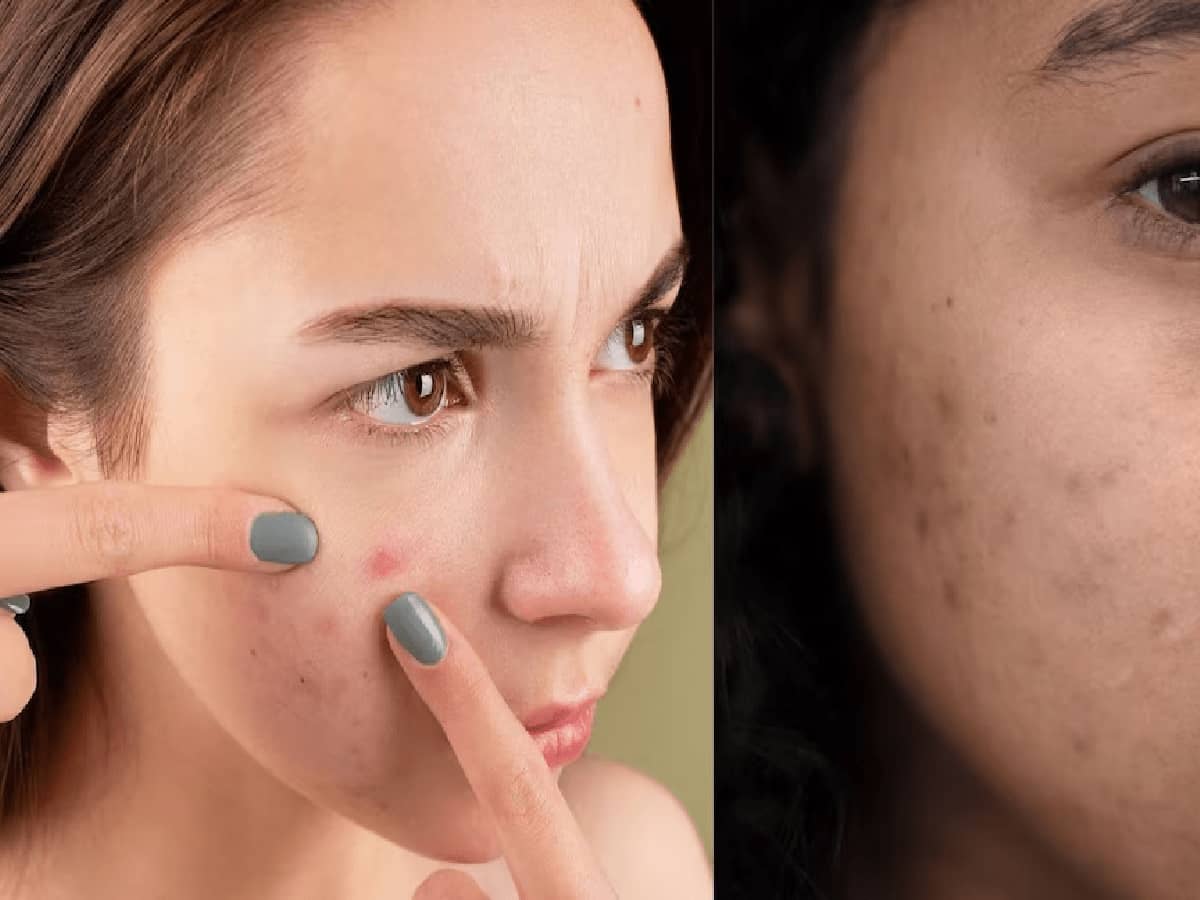
Stubborn Chickenpox Scars on Your Face, Safe Recovery Tips, What to Avoid
Recovering from chickenpox brings immense relief, but the persistent pigmented marks and indented pits left across the face often trigger lingering cosmetic concerns. While superficial post-inflammatory hyperpigmentation tends to lighten naturally as the skin regenerates, deeper atrophic pits—caused by severe viral inflammation or premature scab picking—require strategic care and targeted dermatological procedures. Restoring a smooth dermal texture demands a clear understanding of your skin's healing phase, strict avoidance of harsh household remedies that exacerbate cellular damage, and disciplined protection against ultraviolet radiation.
Foundation of Skin Recovery: Gentle Cleansing and Hydration
During the vulnerable post-infection window, facial skin must be treated with utmost delicacy to rebuild its broken lipid barrier:
-
Non-Stripping Cleansers: Wash your face exclusively with a mild, fragrance-free cleanser that purifies without stripping essential sebum.
-
Hands-Off Policy: Avoid harsh rubbing, mechanical friction, or picking at healing spots while cleansing, as mechanical abrasion reactivates tissue inflammation.
-
Allow Complete Re-epithelialization: Never apply active serums, essential oils, or cosmetic remedies over active blisters or semi-dry scabs; allow epidermal skin to seal completely before introducing topical care.
-
Soothing Aloe Vera Application: Once lesions are fully closed, apply pure, fragrance-free aloe vera gel to replenish moisture and calm erythema, conducting a 24-hour patch test beforehand to rule out localized allergic reactions.
Sun Protection Shield: Preventing Dark Spots from Turning Permanent
Exposure to sunlight is the single biggest catalyst that converts temporary blemishes into long-lasting hyperpigmentation:
-
Daily Broad-Spectrum Sunscreen: Ultraviolet (UV) rays stimulate melanin synthesis in healing tissue, making pink or brown post-chickenpox spots significantly darker and more resistant to fading.
-
SPF 30 or Higher: Apply a generous layer of broad-spectrum sunscreen with SPF 30 or higher every single morning, regardless of indoor or overcast conditions.
-
Physical Sun Barriers: Supplement topical sunscreens with wide-brimmed hats or umbrellas when stepping out into direct sunlight to create a physical barrier against photo-damage.
The Home Remedy Trap: Harsh Substances You Must Never Put on Scars
Well-intentioned DIY hacks frequently do more damage than good by burning sensitive regenerative skin layers:
-
Avoid Acidic Irritants: Strictly avoid applying raw lemon juice, apple cider vinegar, or crushed garlic; their high acidity causes chemical burns and triggers post-inflammatory hyperpigmentation.
-
Steer Clear of Abrasives: Toothpaste, baking soda pastes, and coarse walnut or apricot scrubs tear fragile epidermal tissue and deepen atrophic craters.
-
Never Pick Scabs: Forcibly peeling off crusts prematurely tears underlying collagen fibers, guaranteeing deep, permanent indentations.
When to Seek Clinical Care: In-Clinic Treatments for Deep Atrophic Pits
When chickenpox leaves sunken, depressed scars resembling ice-pick or boxcar indentations, topical creams alone cannot restore lost volume:
-
Dermatologist-Led Interventions: Consult a board-certified dermatologist who can design a customized revision protocol based on scar depth and skin tone.
-
Microneedling and Radiofrequency: Collagen induction therapy creates controlled micro-punctures, stimulating natural collagen and elastin synthesis to lift shallow pits.
-
Laser Resurfacing and Peels: Fractional ablative or non-ablative lasers and medical-grade chemical peels smooth irregular skin textures and accelerate cellular turnover.
-
Warning Signs for Immediate Medical Review: If facial spots become acutely tender, display rapid textural changes, or ooze persistent pus, visit a clinic immediately to rule out secondary bacterial infections.




