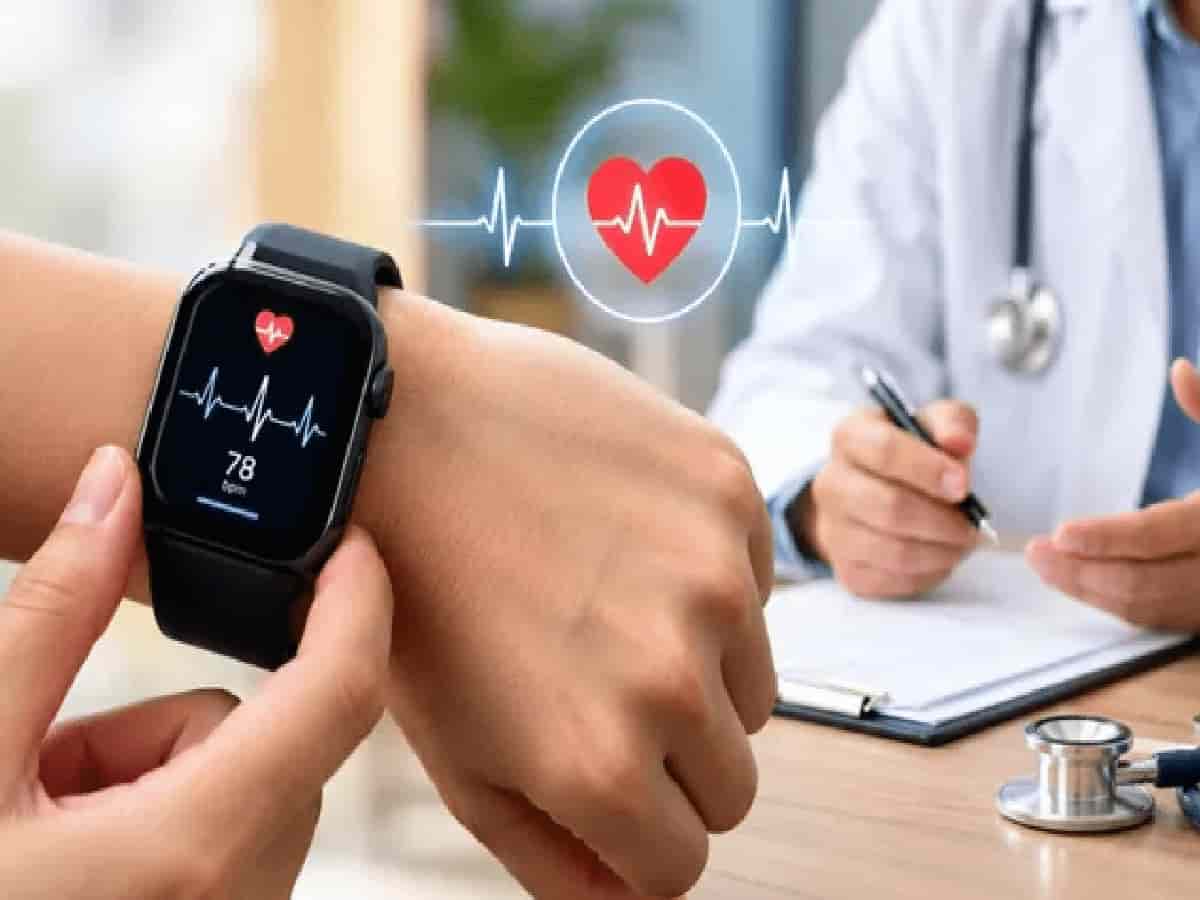
Smartwatch ECG vs Real Doctor: Why Your Wrist Wearable Cannot Replace a Cardiologist
Wristwatches have rapidly transformed from simple timekeeping accessories into sophisticated personal wellness hubs, capable of continuously logging daily steps, tracking resting heart rates, and estimating caloric burn during intense workouts. Among the most popular advancements integrated into contemporary consumer wearables is the on-demand electrocardiogram (ECG) sensor, designed to detect rhythm irregularities directly from the user's wrist. However, while these digital features empower users to monitor their personal physical metrics, cardiovascular specialists caution against mistaking automated consumer electronics for qualified medical practitioners. Understanding the technical boundaries, sensor sensitivities, and diagnostic limitations of wearable health technology is essential to avoid both false alarms and missed cardiac warnings.
The Fitness Wearable Boom: Real-Time Heart Rate Tracking and Workout Optimization
The integration of optical and electrical biosensors has fundamentally reshaped how individuals track and manage cardiovascular exercise:
-
Pacing Cardiovascular Workouts: Continuous photoplethysmography (PPG) sensors measure pulse rates in real time, enabling runners, cyclists, and fitness enthusiasts to monitor exercise intensity zones and avoid overexertion.
-
Over-Taxing Threshold Alerts: Built-in telemetry detects sustained abnormal heart rate spikes during high-intensity sessions, notifying users when physical exertion surpasses safe training thresholds.
-
Holistic Fitness Data: Beyond pulse tracking, modern wearables calculate activity duration, step counts, and active calorie expenditures to help individuals track their overall daily energy balance.
Benefits of Consumer ECG Sensors: Spotting Early Atrial Fibrillation
The introduction of electrical heart sensors into consumer smartwatches has provided a valuable preliminary screening tool for everyday users:
-
Rhythm Irregularity Detection: By placing a finger on the watch crown or bezel to complete a circuit, users can capture a basic single-lead ECG reading in approximately 30 seconds.
-
Atrial Fibrillation (AFib) Warnings: These algorithms are primarily configured to identify signs of atrial fibrillation—a common arrhythmia characterized by rapid, irregular atrial contractions—prompting asymptomatic users to seek medical review.
-
Screening, Not Diagnostic Confirmation: While these sensors capture episodic arrhythmias that might not appear during an annual physical exam, cardiologists classify them strictly as preliminary screening instruments rather than definitive diagnostic evaluations.
Critical Limitations: False Positives, Motion Artifacts, and Medical Boundaries
Despite their sophisticated algorithms, consumer wrist gadgets fall short of clinical-grade hospital diagnostics:
-
Vulnerability to Motion Artifacts: Minor wrist movements, loose strap tension, sweat, dry skin, or poor sensor contact can introduce significant electrical noise, producing distorted tracings or triggering false alarms.
-
Single-Lead vs 12-Lead Clinical ECGs: A smartwatch provides only a single-lead view of heart activity, whereas hospital-grade diagnostic equipment utilizes 12 distinct leads to evaluate ischemia, chamber enlargement, and complex conduction disorders.
-
Cannot Diagnose Heart Attacks: A smartwatch cannot detect an active myocardial infarction (heart attack), structural valve defects, or deep coronary blockages, making reliance on a watch during acute chest discomfort dangerous.
-
When to Seek Immediate Consultation: If a wearable repeatedly alerts to irregular rhythms or abnormal heart rate spikes, patients should present the recorded tracing to a physician rather than attempting self-diagnosis, ensuring timely, verified medical intervention.