






Out of Breath on the Stairs, Critical Health Signals Your Lungs and Heart Are Sending You
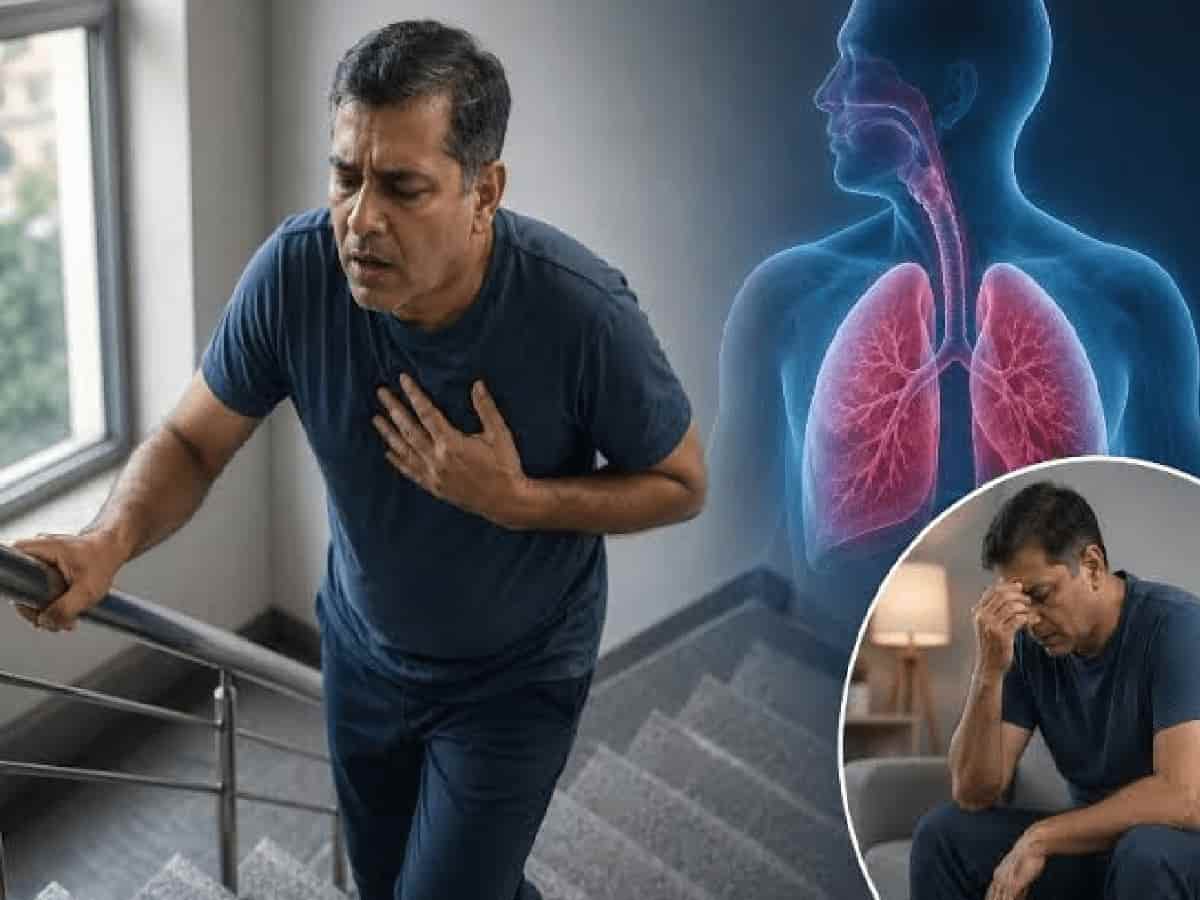
Panting or gasping for air after taking a flight of stairs is frequently brushed off as everyday fatigue or an inevitable consequence of skipping the gym, yet it frequently serves as the body’s earliest gauge of underlying physiological performance. Ascending stairs demands rapid vertical propulsion against gravity, causing the body's major muscle groups to consume oxygen at multiple times the baseline rate and prompting the respiratory system to compensate by increasing ventilation. However, medical specialists and pulmonology reports highlighted by Healthline caution that when breathlessness emerges suddenly, worsens noticeably over short periods, or leaves an individual gasping after minimal exertion, it crosses the line from routine deconditioning into a potential diagnostic symptom of systemic health conditions such as iron-deficiency anemia, reactive airway disease, chronic obstructive pulmonary disease (COPD), or cardiac dysfunction.
Low Red Blood Cells to Bronchial Spasms: How Anemia and Asthma Restrict Oxygen Delivery
One of the most underdiagnosed contributors to exertional dyspnea is clinical anemia, a condition where circulating blood volume lacks adequate functional red blood cells or hemoglobin. Because hemoglobin functions as the primary vehicle transporting oxygen from alveolar capillaries to peripheral working muscles, even modest physical demands like walking uphill or climbing two flights of stairs rapidly starve skeletal tissues of oxygen, triggering sudden hyperventilation and profound lethargy. Concurrently, respiratory ailments such as exercise-induced bronchoconstriction, asthma, and chronic bronchitis can cause acute airway inflammation during exertion; if stair climbing is accompanied by persistent dry coughing, localized chest tightness, or high-pitched wheezing, bronchial hyperreactivity is often responsible. Furthermore, progressive lung disorders like COPD or latent cardiovascular conditions that impede cardiac output can turn routine climbs into suffocating ordeals.
Normal Deconditioning Versus Clinical Red Flags: Knowing When to Seek Urgent Medical Care
Differentiating between harmless deconditioning and a progressive medical emergency hinges on monitoring symptom progression and associated red flags. If everyday domestic tasks that were once completed effortlessly suddenly leave you winded, consulting a physician for baseline diagnostic evaluations—including complete blood counts (CBC), spirometry lung volume assessments, electrocardiograms (ECG), and chest radiography—is vital to determine the root cause. Crucially, if shortness of breath on stairs presents alongside severe crushing chest pressure, radiating arm or jaw pain, fainting episodes (syncope), severe vertigo, cyanosis (bluish discoloration of the lips or fingernails), or coughing up blood, it signals an acute cardiopulmonary crisis requiring immediate emergency intervention rather than delayed observation.