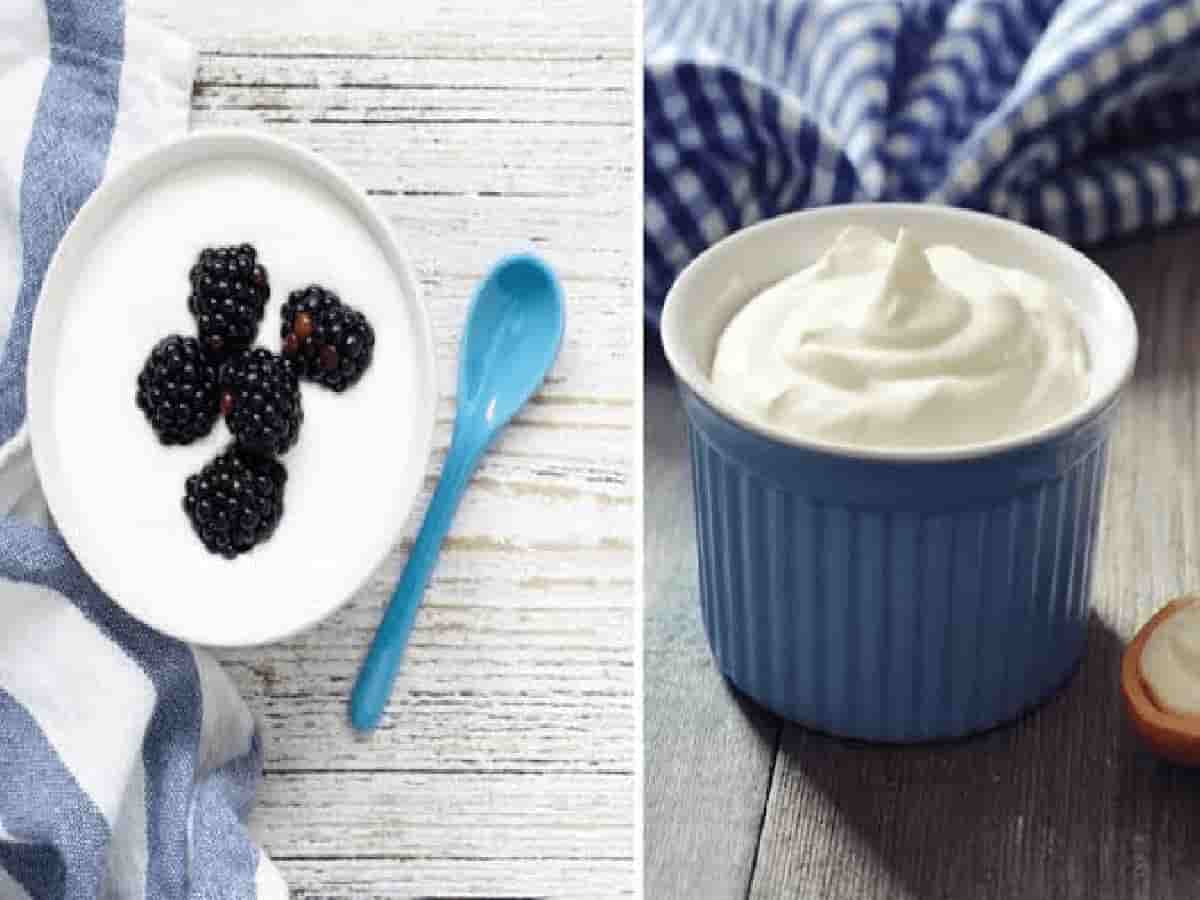
Morning, Afternoon, or Night: What Is the Best Time to Eat Curd for Maximum Health Benefits
Curd is a cornerstone of the traditional Indian dietary framework, celebrated not only for its refreshing flavor but also as a nutrient-dense powerhouse packed with bioavailable calcium, lean protein, vitamin B12, and live probiotic cultures. Integrating yogurt into everyday meals supports optimal intestinal microflora, reinforces bone density, and enhances immune defenses. However, maximizing these biological benefits depends largely on chrononutrition—consuming curd at the correct time of day to match the body's natural digestive fire and circadian metabolic rhythms.
Why Morning and Afternoon Meal Windows Deliver the Best Digestive Results
Nutrition experts and dietary researchers agree that breakfast and lunch represent the ideal windows for curd consumption. Incorporating a bowl of fresh yogurt into your morning meal or midday lunch supplies sustained energetic fuel while optimizing gastrointestinal processing. The abundant probiotic bacteria present in curd actively colonize the intestinal lining, smoothing nutrient absorption and reducing gut sluggishness. During scorching summer days, eating fresh curd with lunch delivers an essential cooling effect that protects the body from heat exhaustion, gastric burning, and acute acid reflux.
The Empty Stomach Dilemma and Why Nighttime Intake Should Be Minimized
While metabolically healthy individuals can occasionally tolerate plain curd early in the morning, individuals prone to hyperacidity, persistent flatulence, or delicate gastric linings should avoid eating curd on a completely empty stomach, choosing instead to pair it with oats, fruits, or wholesome breakfast grains. Furthermore, classical Ayurvedic principles strictly discourage consuming curd after sunset, warning that nighttime consumption can aggravate Kapha dosha, resulting in excessive mucus congestion, respiratory flare-ups, and slow nocturnal digestion. Modern nutritional science suggests that if one chooses to consume curd in the evening, it should be kept to minimal portions and tempered with digestive spices such as freshly ground black pepper or roasted cumin seeds (jeera) to neutralize heaviness.
Workout Recovery Nutrition, Ideal Daily Portions, and Key Precautions
Beyond main meals, plain curd functions as an exceptional post-workout recovery food, providing amino acids that repair muscle fibers alongside rapid electrolyte replenishment when paired with chopped seasonal fruits or nuts. For an average healthy adult, a daily intake of one to two moderate bowls provides comprehensive nutritional balance without placing undue stress on digestion. Nonetheless, daily serving sizes must be tailored to individual metabolic conditions and lifestyle demands, while individuals diagnosed with lactose intolerance, dairy malabsorption, or specific milk-protein allergies should seek personalized medical guidance before incorporating daily curd into their diets.