







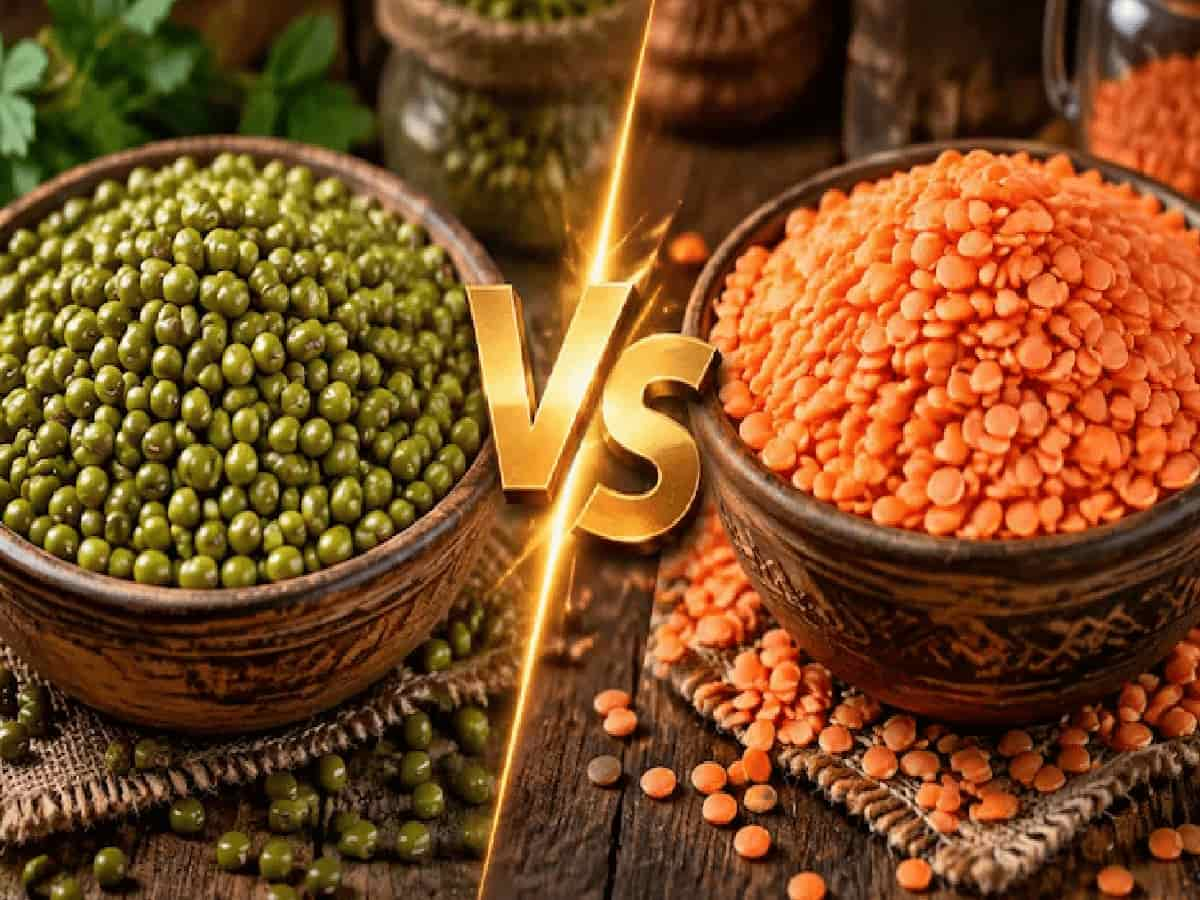
Moong vs Masoor Dal: Which Household Lentil Packs More Protein
In everyday Indian households, yellow moong dal and red masoor dal serve as the foundational building blocks of daily nutrition, universally relied upon as prime sources of plant-based protein, dietary fiber, and essential minerals. Whether an individual is aiming to accelerate healthy weight loss, build lean muscle tissue, or simply sustain gut-friendly daily digestion, both pulses regularly feature on balanced diet charts. However, fitness enthusiasts and health-conscious eaters frequently find themselves debating which of these two staple lentils actually delivers the higher protein yield per serving. Providing clinical clarity on the matter, Swetha A., Deputy Chief Dietitian at Yashoda Hospitals in Hyderabad, breaks down the exact raw versus cooked macronutrient values, revealing how water absorption, preparation density, and digestive ease play critical roles in choosing the right dal for daily meals.
The Raw Breakdown: Masoor Holds a Slight Edge in Dry Protein Density
When evaluated in their dry, unboiled form, both pulses offer remarkably high concentrations of plant protein:
-
Masoor Dal (Red Lentil): Approximately 100 grams of raw, dried masoor dal delivers roughly 24.6 grams of protein, making it one of the most protein-dense legumes available in standard pantry staples.
-
Moong Dal (Yellow/Green Gram): In comparison, 100 grams of raw dried moong dal contains around 23.9 grams of protein, trailing behind masoor by a very narrow margin of just 0.7 grams.
-
The Verdict on Raw Values: Masoor dal technically takes the lead in sheer protein numbers when measured dry, but the minute nutritional margin means that both options serve as exceptional muscle-building fuel for vegetarians and vegans alike.
The Cooking Factor: How Hydration Changes Protein Values on Your Plate
Raw nutritional numbers can be misleading because the actual nutritional density per portion shifts dramatically once water is introduced during cooking:
-
Dilution via Water Absorption: When lentils boil, they absorb substantial volumes of water, swelling in size and altering the protein concentration per 100 grams of the final served dish.
-
Cooked Masoor Yield: A standard 100-gram serving of boiled masoor dal provides approximately 9 grams of bioavailable protein.
-
Cooked Moong Yield: A corresponding 100-gram portion of cooked moong dal delivers roughly 7 grams of protein.
-
Consistency Matters: Nutritionists emphasize that the thickness of your dal preparation directly impacts these metrics; preparing a watery or thin broth lowers the protein concentration per bowl, whereas thicker lentil stews provide a more concentrated nutrient dose.
Digestibility and Gut Health: Why Protein Metrics Shouldn't Be Your Only Guide
Dietary decisions should never hinge solely on raw macronutrient tallies, as gastrointestinal tolerance determines how well the body utilizes nutrients:
-
Superior Digestibility of Moong: While masoor offers marginally higher protein per cup, moong dal is widely recognized as significantly easier on the digestive tract, causing minimal gastric irritation, bloating, or flatulence even for recovering patients or individuals with sensitive stomachs.
-
Balanced Micronutrient Profiles: Both lentils come packed with bioavailable iron, magnesium, potassium, and soluble dietary fiber that help regulate blood glucose levels and promote long-lasting satiety.
-
Avoiding Nutritional Monotony: Eliminating one lentil in favor of the other based solely on a negligible protein difference limits dietary diversity; incorporating both pulses across alternate days ensures a comprehensive spectrum of amino acids and micronutrients.
Finding the Right Balance: Which Dal Should You Choose?
Optimizing your daily meal plan depends on your individual nutritional priorities and digestive comfort:
-
Best for Maximizing Protein: If the primary goal is maximizing plant protein density within a single meal, masoor dal holds the mathematical advantage.
-
Best for Light, Gut-Friendly Meals: For late dinners, periods of digestive sluggishness, or light post-workout meals, moong dal provides effortless digestion alongside solid protein support.
-
The Ideal Approach: The most effective strategy is rotating between moong and masoor throughout the week, pairing them with warm spices like cumin, ginger, and turmeric to boost nutrient absorption and metabolic health.




