Ice or Heat for Joint Pain, Overusing Painkillers and Shares Proven Relief Protocol
Sedentary office habits, poor posture, and modern dietary deficiencies are triggering an alarming surge in joint stiffness and early-onset arthritis among young working professionals. In the lead-up to World Arthritis Day on October 12, Dr. Vipul Vijay, Senior Consultant in Orthopedics, Joint Replacement, and Sports Medicine at Indraprastha Apollo Hospital, New Delhi, warns that popping over-the-counter painkillers at the first sign of discomfort poses severe long-term risks to kidney health and gastrointestinal linings. Arthritis is fundamentally characterized by systemic or localized joint inflammation, stiffness, and cartilage breakdown, and managing it safely requires understanding the precise mechanisms behind thermal therapy—knowing exactly when to reach for an ice pack versus a heating pad—alongside targeted lifestyle modifications that preserve natural joint lubrication.
The Big Clinical Dilemma: Should You Apply Ice or Heat to Aching Joints?
Applying the wrong thermal therapy can aggravate underlying inflammation or prolong muscular spasms:
-
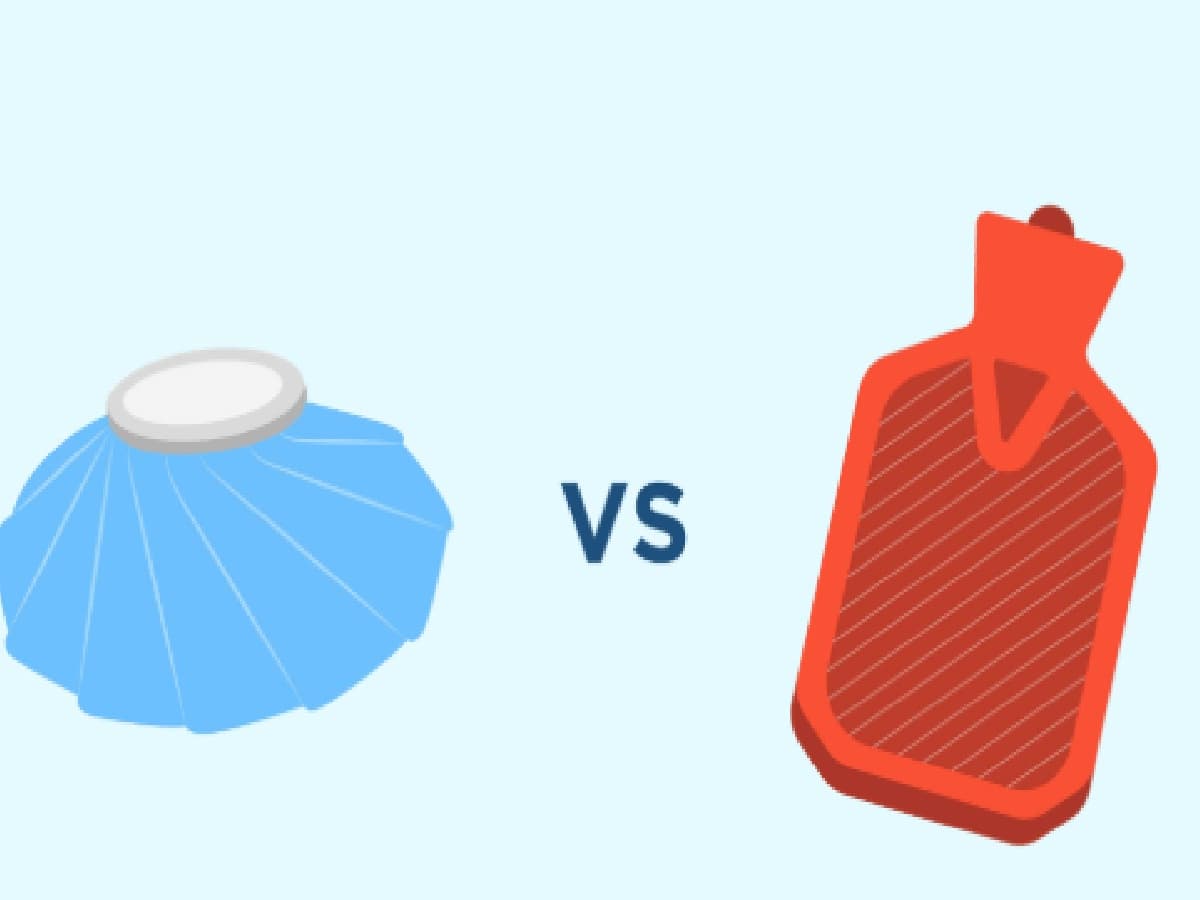
When to Apply Ice Packs (Cold Therapy): If you experience sudden, acute joint pain, an unexpected sports sprain, or noticeable swelling, apply an ice pack wrapped in a cloth directly to the affected joint for 15 minutes, two to three times a day. Cryotherapy constricts blood vessels, numbs sharp nerve endings, and rapidly suppresses localized swelling and inflammation.
-
When to Apply Heat Packs (Thermotherapy): For persistent chronic pain, long-standing joint aches, and morning stiffness lasting after waking, warm compresses or heating pads provide immediate relief. Gentle heat dilates blood vessels, increases local blood circulation, relaxes tense muscular bands, and restores joint flexibility.
-
The Golden Safety Rule: Never apply ice or boiling heating pads directly to bare skin without a protective towel barrier, and strictly avoid applying heat to an actively swollen, hot, or red joint, as excess warmth intensifies acute inflammatory flares.
The Hidden Danger of Over-the-Counter Painkillers: Protecting Your Kidneys and Gut
Routinely suppressing musculoskeletal discomfort with self-prescribed nonsteroidal anti-inflammatory drugs (NSAIDs) carries severe physiological consequences:
-
Irreversible Renal Damage: Habitual, unmonitored intake of over-the-counter painkillers reduces renal blood flow, which can precipitate analgesic nephropathy, chronic kidney disease (CKD), and sudden kidney injury over time.
-
Gastrointestinal Ulceration and Bleeding: Frequent painkiller consumption strips the stomach's protective mucosal lining, triggering acid reflux, peptic ulcers, and hidden gastrointestinal bleeding.
-
Addressing the Cause, Not Masking the Symptom: Painkillers merely mute neurological distress signals without repairing cartilage or strengthening stabilizing muscles; medical guidance must always precede pharmacological treatment.
Why Young Adults Are Experiencing Early-Onset Knee Stiffness and Primary Arthritis
The misconception that arthritis exclusively affects elderly populations is being dismantled by rising clinical presentations among young corporate professionals:
-
The Sedentary Desk Trap: Prolonged, uninterrupted sitting at office workstations deprives the joint capsule of continuous synovial fluid circulation, causing the cartilage cushioning to dry out, stiffen, and undergo premature degeneration.
-
Nutritional Shortfalls: Widespread clinical deficiencies in Vitamin D3 and Vitamin B12 compromise bone mineral density and neuromuscular coordination, making joints more susceptible to micro-trauma.
-
Gym and Sports Injuries: High-intensity workouts or competitive sports executed without adequate warm-ups and dynamic stretching frequently cause meniscus and ligament tears, accelerating secondary osteoarthritis at an early age.
-
Early Warning Indicators: Persistent joint pain, morning stiffness persisting for more than 30 minutes, visible joint swelling, and audible cracking or grinding sensations (crepitus) when climbing stairs serve as vital clinical red flags for early arthritis.
5 Non-Negotiable Lifestyle Adjustments to Protect Joint Cartilage
Reversing joint deterioration requires practical, daily biomechanical and nutritional discipline:
-
Weight Management and Knee Load: Every extra kilogram of excess body weight multiplies mechanical pressure across the knee joints by approximately four times, making sensible weight control the single most effective way to decelerate joint wear.
-
Low-Impact Daily Cardiovascular Movement: Engage in 30 to 45 minutes of daily low-impact exercise—such as brisk walking, cycling, or swimming—to build muscular endurance around joint capsules without imposing harsh compressive shocks.
-
The 45-Minute Movement Rule: Break uninterrupted sitting cycles by standing, walking, and stretching for at least two minutes every 45 minutes during work, and spend 15 minutes in early morning sunlight to support natural vitamin D synthesis.
-
Anti-Inflammatory Nutrition: Incorporate milk, curd, leafy green vegetables, lentils, walnuts, and flaxseeds to deliver calcium, magnesium, and omega-3 fatty acids to bone tissue, while eliminating deep-fried foods, refined sugars, and ultra-processed snacks that drive systemic inflammation.
-
Hydration for Cartilage Cushioning: Drink sufficient water throughout the day, as articular cartilage relies on optimal systemic hydration to preserve the hydrostatic pressure and shock-absorbing capacity of synovial fluid.
-
Biomechanical Habits and Posture: Wear supportive, cushioned footwear; avoid prolonged squatting or sitting cross-legged on hard floors; and learn quadriceps and core-strengthening exercises under the guidance of a qualified physiotherapist.
Red Flag Warnings: When to See an Orthopedic Specialist Immediately
Home management and conservative care have strict limits when structural joint damage occurs:
-
Persistent Symptoms Past Two Weeks: If joint discomfort, localized heat, or stiffness continues uninterrupted for more than two consecutive weeks despite rest.
-
Severe Swelling and Loss of Mobility: Any sudden swelling, inability to bear weight on the leg, or severe pain that impairs standard walking requires immediate evaluation by a certified orthopedic surgeon to prevent permanent cartilage loss.