







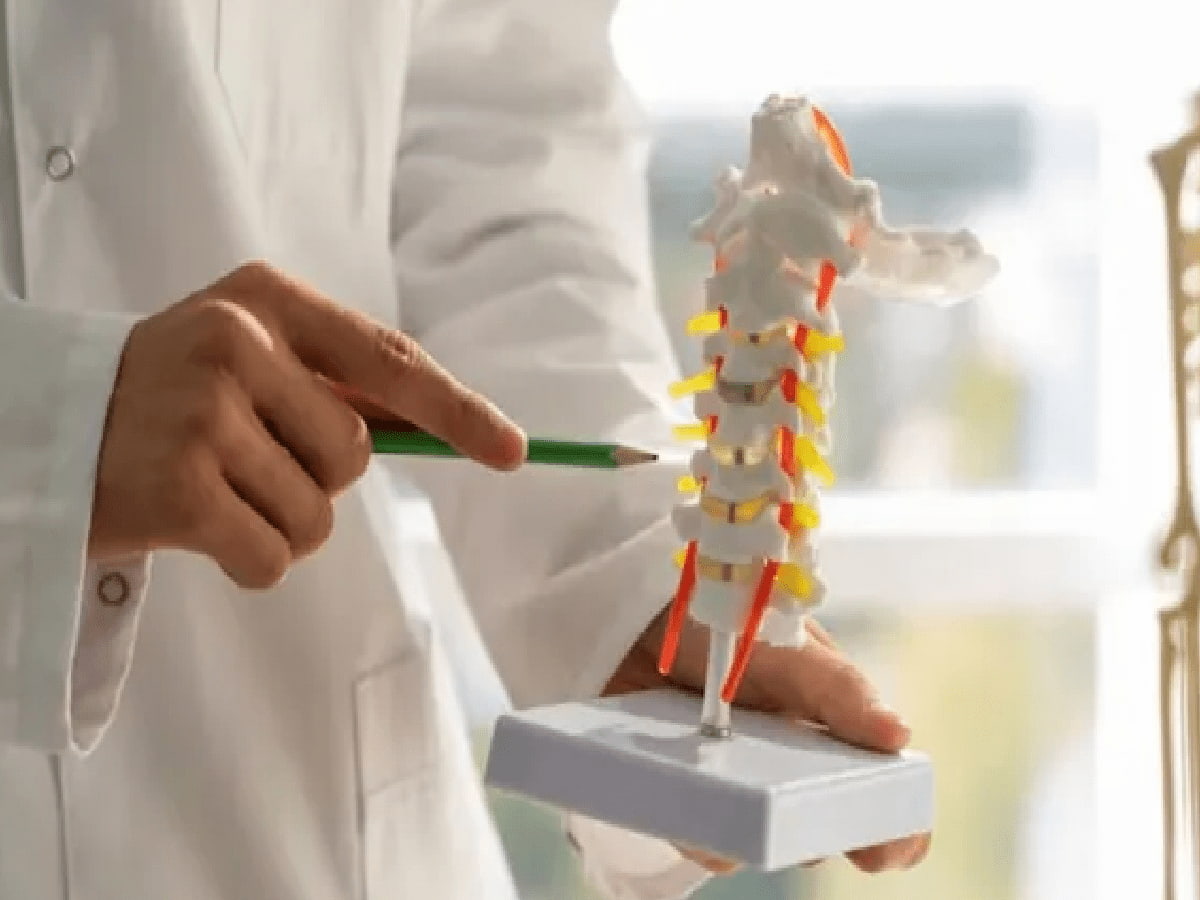
How Osteoporosis Sneaks In Silently and Ways to Catch It Early
Termed by orthopedicians worldwide as a classic "silent disease," osteoporosis represents a debilitating skeletal disorder that steadily drains bone mineral density without triggering any noticeable pain, stiffness, or early physical red flags. In a vast majority of cases, individuals remain completely unaware of their degrading skeletal health until a trivial slip, low-impact bump, or minor household fall abruptly shatters a bone. Unlike many chronic inflammatory ailments that announce themselves through swelling or localized aches, bone porosity advances stealthily within the skeletal frame, turning resilient bone structures into brittle, honeycombed tissue that gives way under routine physical pressure.
Accelerating Bone Density Loss: Why Age and Hormonal Shifts Weaken the Skeleton
Bone remodeling is a lifelong biological dynamic, yet internal and external factors often tilt the scales toward rapid depletion:
-
The Aging Factor: Under normal physiological conditions, bone mass naturally undergoes gradual attrition with advancing years, but osteoporosis sharply accelerates this degradation by depleting calcium matrices faster than new bone tissue can form.
-
Post-Menopausal Vulnerability in Women: Women face heightened susceptibility following menopause, as the abrupt drop in circulating estrogen levels—a primary hormone that shields bone mass—triggers rapid and severe bone demineralization.
-
Rising Prevalence Among Younger Demographics: While historically categorized as an ailment of old age, sedentary desk habits, chronic nutritional deficiencies, lack of sunlight exposure, and metabolic disorders are increasingly inducing premature osteopenia in younger working adults.
Painless Progression to Sudden Fractures: High-Risk Vulnerability in Spine, Hip, and Wrist
The true medical hazard of osteoporosis lies in its complete absence of discomfort until an actual fracture takes place:
-
Common Impact Zones: Fragility fractures triggered by weakened skeletal density occur most frequently across the hip, wrist, and lumbar or thoracic segments of the spine.
-
Long-Term Mobility Loss: Hip fractures in particular represent severe health emergencies that drastically restrict personal movement, demand prolonged surgical interventions, and often rob senior individuals of physical independence.
-
Spinal Collapse and Postural Shifts: Micro-fractures and compression collapses across spinal vertebrae lead to persistent chronic back pain, unexplained loss of overall body height, and a progressively stooped or hunched posture known as kyphosis.
Proactive Detection: Why a DEXA Scan Offers the Ultimate Preventative Defense
Halting the irreversible consequences of osteoporosis hinges entirely on timely diagnostic screening before a fracture occurs:
-
Preventive Medical Consultations: Individuals matching high-risk profiles—including post-menopausal women, adults above 50, and those with a family history of skeletal frailty—should seek specialized clinical evaluations of bone integrity.
-
The Gold Standard DEXA Assessment: Dual-Energy X-ray Absorptiometry (DEXA) scans function as the definitive non-invasive diagnostic standard, measuring exact bone mineral density (BMD) scores across the spine and hip to catch osteopenia before it escalates into full-blown osteoporosis.
-
Early Medical Intervention: Pinpointing bone thinning early allows physicians to administer targeted bone-building medications and mineral therapy, preventing severe skeletal trauma.
Non-Negotiable Lifestyle Protocols for Resilient Skeletal Strength
Building durable bone mass requires daily nutritional discipline and deliberate physical exertion:
-
Optimize Calcium and Vitamin D Intake: Ensure balanced consumption of dietary calcium through dairy, leafy greens, and fortified foods, paired with sufficient Vitamin D exposure or clinical supplementation to guarantee efficient intestinal mineral absorption.
-
Adopt Weight-Bearing and Resistance Workouts: Integrate regular bodyweight exercises, brisk walking, strength routines, and balance conditioning to stimulate osteoblast cells and preserve structural bone thickness.
-
Eliminate Bone Toxins: Completely abstain from smoking and avoid excessive alcohol consumption, as both chemical habits directly impair bone cellular metabolism and expedite mineral leaching.




