







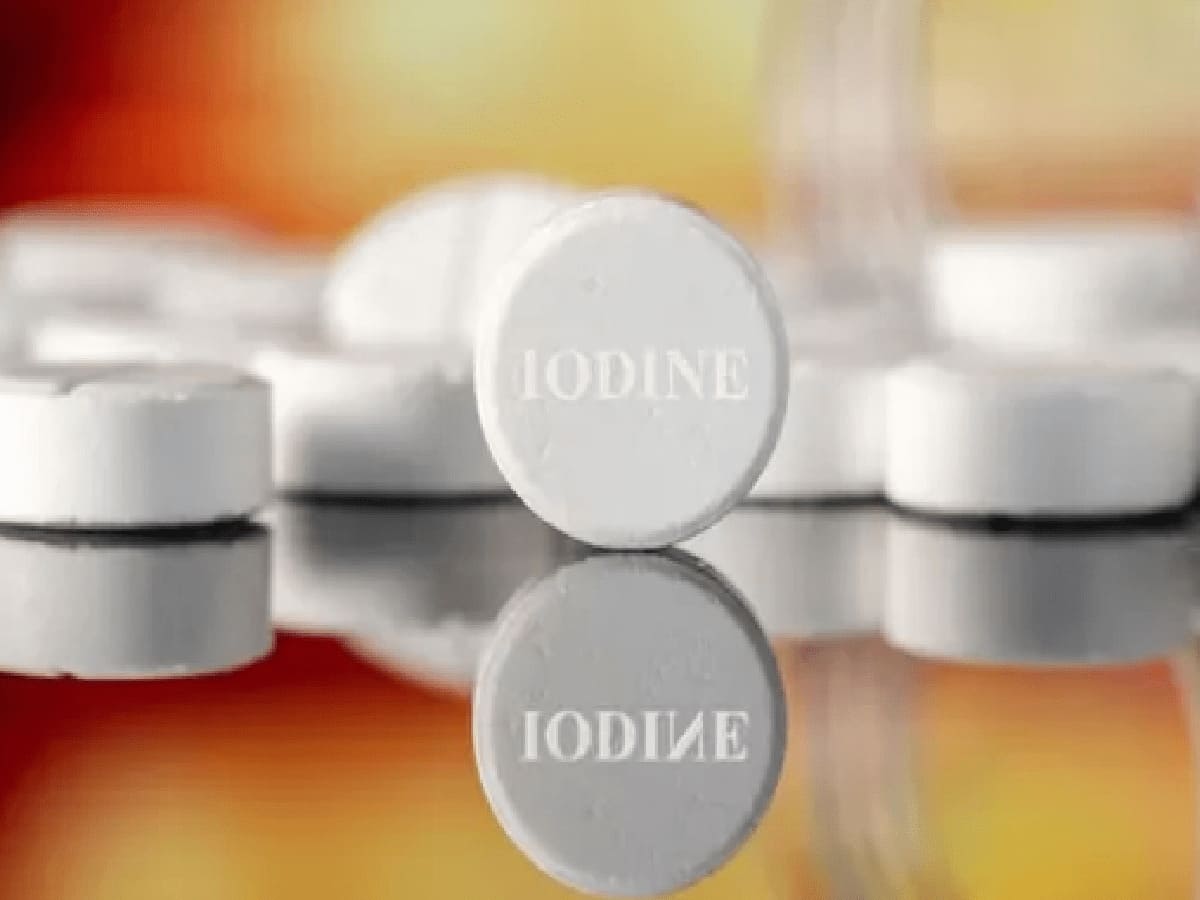
How Hidden Iodine Deficiency Is Silently Hollowing Out Indian Bones
While fitness circles and wellness influencers across social media heavily promote high-protein diets and artisanal mineral salts, a silent nutritional crisis is rapidly compromising the skeletal integrity of millions across India. Health authorities and endocrinologists have sounded an urgent alarm over the unmonitored replacement of standard iodized salt with non-iodized rock salt (sendha namak) and pink Himalayan variants, warning that the practice is quietly fueling chronic micronutrient malnutrition. According to joint clinical assessments from the Indian Council of Medical Research (ICMR) and endocrinology specialists, iodine deficiency has emerged alongside existing calcium and Vitamin D gaps as a primary catalyst for fragile, brittle bones and recurring fracture risks. Epidemiological data estimates that upwards of 200 million people across India are currently susceptible to Iodine Deficiency Disorders (IDD), with comprehensive healthcare surveys confirming that not a single Indian state or Union Territory remains unaffected by this pervasive public health challenge.
Thyroid Malfunction and Bone Remodeling: The Biological Link Between Iodine and Skeletal Strength
The biological relationship between dietary iodine, endocrine balance, and skeletal health operates through sensitive hormonal feedback loops:
-
Thyroid Stress and Goiter Formation: When systemic iodine intake falls below baseline nutritional requirements, the thyroid gland is forced to overexert itself to synthesize vital hormones, frequently leading to localized tissue enlargement and the development of a visible goiter.
-
Impaired Bone Formation Under Hypothyroidism: Insufficient iodine induces hypothyroidism, a state of underactive thyroid performance that directly inhibits osteoblast cell functionality, severely impairing the body's natural capacity to construct and regenerate healthy bone matrices.
-
Accelerated Bone Resorption and Degradation: Conversely, extreme hormonal fluctuations or secondary hyperthyroid states accelerate bone resorption, stripping stored mineral reserves faster than skeletal tissue can remodel, resulting in porous bone structures prone to low-impact fractures.
-
Neurological and Fetal Vulnerabilities: Severe iodine scarcity poses irreversible risks to cognitive neurological development, manifesting severe neurodevelopmental deficits in growing children and creating acute complications during pregnancy.
Recognizing the Warning Signs: From Sluggish Metabolism to Unexplained Fatigue
Endocrine imbalances triggered by subclinical iodine deprivation often develop insidiously without acute initial pain, masking severe metabolic slowing:
-
Metabolic Rate Deceleration: A deficiency-induced drop in thyroid hormones suppresses the body's basal metabolic rate (BMR), disrupting normal digestive assimilation and causing stubborn, unexplained weight gain despite poor appetite.
-
Visible Swelling and Neck Nodules: The physical enlargement of the thyroid gland can produce perceptible swelling, a noticeable bulge, or structural lumps at the base of the neck, though hormonal disruptions can remain clinically active even without external enlargement.
-
Systemic Energy Depletion: Individuals suffering from thyroid sluggishness commonly battle persistent lethargy, profound morning exhaustion, and an enduring sensation of fatigue that fails to resolve with sleep.
-
Cold Intolerance and Dermatological Decline: Depleted hormonal activity impairs peripheral thermoregulation, making individuals unusually sensitive to cold temperatures, while causing acute cutaneous dryness, digestive irregularities, and extensive hair shedding.
Clinical Insights from Gurugram: Why Early Pregnancy Screening Is Non-Negotiable
Highlighting the clinical perils of unmonitored hormonal disruptions, Dr. Akanksha Rastogi, Principal Consultant of Internal Medicine at Medanta Hospital, Gurugram, emphasizes that vigilance must begin before conception:
-
Critical Prenatal Diagnostics: Dr. Rastogi advises that comprehensive thyroid blood panels should be mandated during the earliest weeks of pregnancy to intercept maternal hormone fluctuations before they impact the fetus.
-
Preventing Miscarriage and Developmental Stunting: Inadequate maternal iodine concentrations significantly elevate the risk of spontaneous miscarriages, while depriving the developing fetus of vital hormonal support necessary for brain architecture and structural physical maturation.
-
Bone Mineral Density and Cholesterol Fluctuations: Dr. Rastogi highlights that patients battling chronic thyroid imbalances consistently demonstrate compromised bone mineral density (BMD) scores and unstable blood lipid profiles, leaving their skeletons structurally brittle and acutely vulnerable to fragility fractures.
Guarding Skeletal and Metabolic Longevity: Essential Dietary Sources of Iodine
Because the human body lacks the biochemical ability to synthesize iodine internally, lifelong physiological resilience depends entirely on regular dietary replenishment:
-
Daily Reliance on Fortified Iodized Salt: Everyday culinary preparations should consistently incorporate quality-assured iodized table salt; while unrefined rock salt provides trace elements, it lacks the standardized iodine levels essential for thyroid maintenance.
-
Nutrient-Dense Seafood Options: Marine produce serves as one of nature’s richest iodine reservoirs, with seaweeds, prawns, and diverse shellfish providing potent natural concentrations.
-
Dairy Products and Daily Proportions: Consuming fresh dairy staples—including cow's milk, homemade curd, and cheese—offers steady dietary bioavailability to protect the thyroid gland from micronutrient starvation.




