







Groundbreaking Research Reveals Mental Distress and Heavy Drinking Drastically Increase Risk of Heart Attack and Stroke
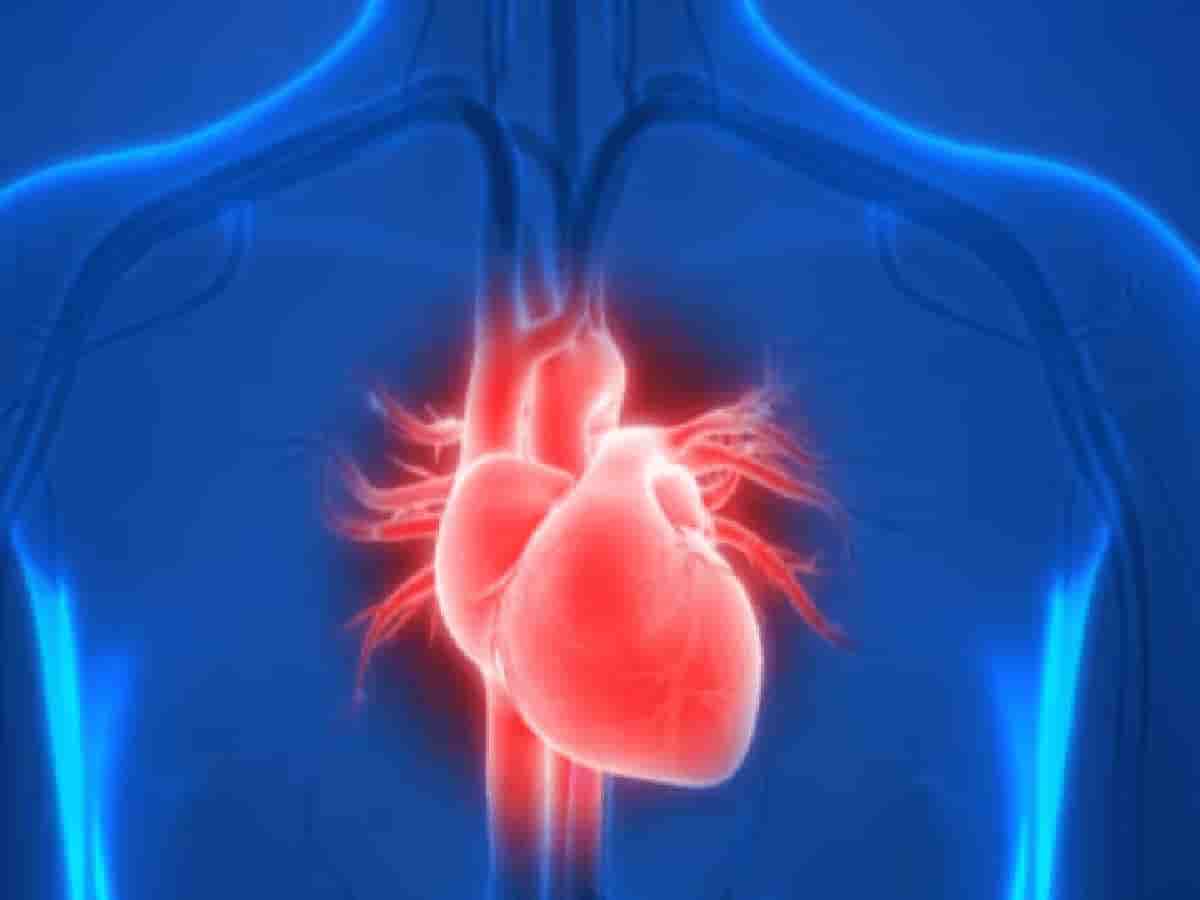
Life occasionally delivers harrowing experiences that shake an individual to their absolute core—events widely categorized as severe trauma or psychological shock. While the immediate emotional fallout is often recognized, medical science is increasingly uncovering the profound physical toll that a deteriorating mental state takes on the human body. A major international study has now established a direct, alarming connection between post-trauma psychological distress and a significantly elevated risk of developing life-threatening cardiovascular conditions, including heart attacks and strokes.
Comprehensive Study of Over 2 Lakh Adults Highlights Long-Term Dangers
Published in the esteemed Journal of the American Heart Association, this landmark study analyzed data from an extensive cohort of 219,866 adults who had endured severe traumatic events in their lifetimes. Lead researcher Dr. Jennifer A. Sumner and her team tracked health outcomes and discovered that approximately 44,000 of these participants subsequently suffered acute cardiac events, such as heart attacks, strokes, required invasive procedures to restore blocked blood flow to the heart, or tragically succumbed to cardiovascular failure.
To understand why some individuals fell ill while others remained unaffected, scientists deployed advanced machine-learning techniques to evaluate psychological variables. This analytical approach successfully isolated the 15 most critical mental health and behavioral disorders that directly heighten the risk of subsequent heart and brain diseases following trauma.
Excessive Alcohol Consumption Emerges as the Greatest Post-Trauma Risk Factor
Among all the behavioral and psychological factors evaluated, the study identified excessive alcohol consumption as the single most dangerous and prevalent risk factor linking trauma to heart disease. Explaining the underlying behavioral mechanics, Dr. Sumner noted that individuals grappling with major trauma or distressing life experiences frequently turn to heavy drinking as a coping mechanism to numb turbulent emotions and manage overwhelming psychological pain. Unfortunately, relying on alcohol for emotional regulation wreaks havoc on the cardiovascular system over the long term, compounding the biological stress of trauma with severe substance-induced heart risks. Recognizing these interconnected mental and physical dangers underscores the critical need for comprehensive psychological support and healthier coping strategies for trauma survivors.


