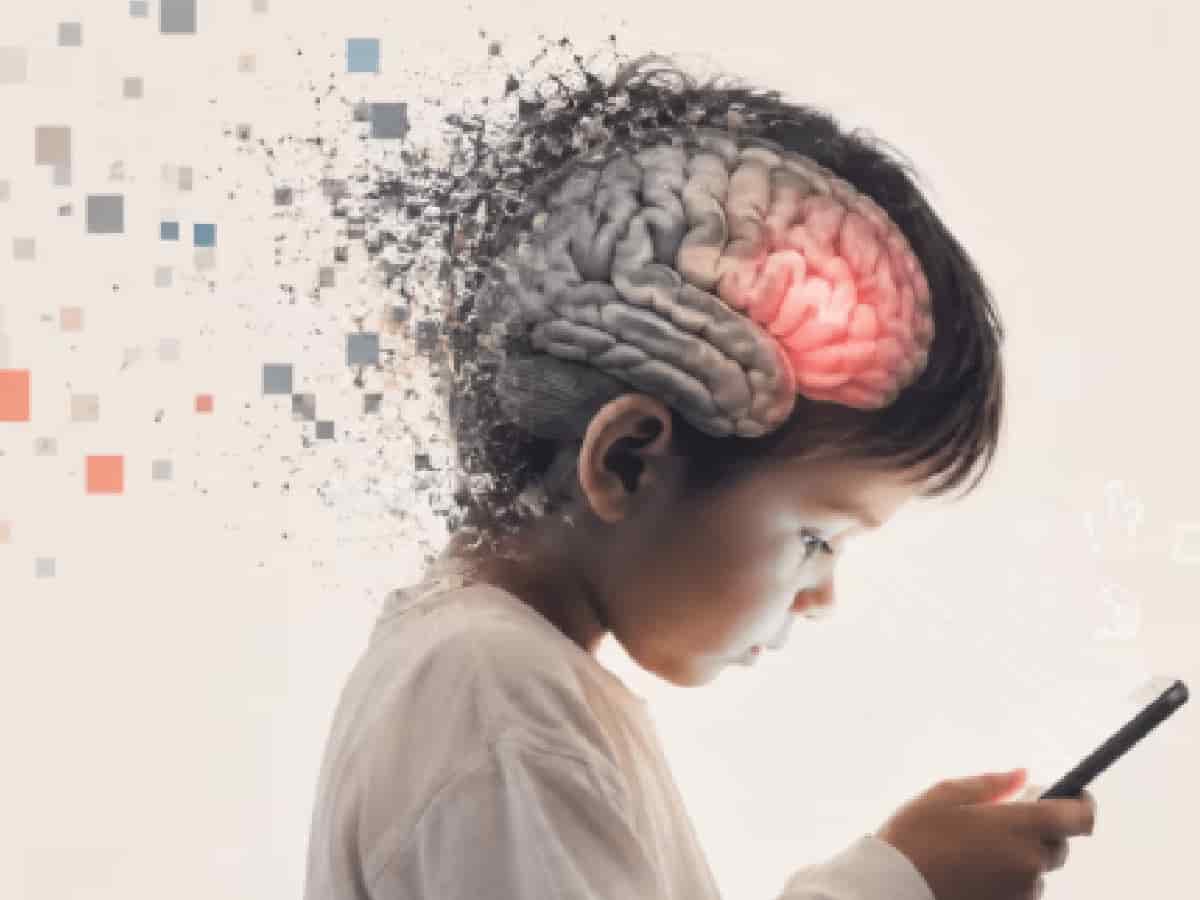
Global Study Links Over Five Hours of Screen Time to Plummeting Math and Science Scores
The unrelenting growth of smartphone usage and digital device dependency is taking a severe toll on the intellectual development and academic performance of teenagers worldwide. According to comprehensive findings released by the Organisation for Economic Co-operation and Development (OECD), the reading, mathematics, and science competencies of 15-year-old students have plunged to their lowest levels this century. Based on the 2025 Programme for International Student Assessment (PISA)—which evaluated approximately 760,000 students aged 15 across 91 countries—educational experts have sounded the alarm over plummeting test scores directly linked to surging screen time and a dramatic decline in recreational reading habits.
The Five-Hour Threshold: How Excessive Screen Time Cripples Learning
The OECD report highlights a direct correlation between high digital consumption and declining academic results. On average, students in OECD member nations spend roughly 3.4 hours per school day using digital devices purely for entertainment, alongside another three hours dedicated to digital study. OECD Secretary-General Mathias Carmann noted that while moderate technology use can support education, exceeding five hours of total daily digital device usage triggers a sharp drop in student performance. Excessive screen exposure fosters rushed reading habits, poor comprehension, and impulsive responses, causing average reading scores to fall from a peak of 501 in 2012 to 466. Simultaneously, science scores dropped from 506 in 2009 to 486, while mathematics scores tumbled from 502 to 469.
Impact of AI Chatbots and Classroom Distractions
The global assessment also uncovered modern digital challenges affecting contemporary classrooms, including the heavy reliance on artificial intelligence tools. Nearly half of the surveyed students regularly use AI chatbots for academic purposes. However, students who relied on AI to draft essays, summarize texts, or conduct hurried research scored an average of 20 points lower in science—a deficit equivalent to roughly a full year of lost study. Furthermore, digital distractions remain a persistent roadblock; more than one in four students reported that unauthorized smartphone use in class routinely disrupted their peers, with device-related distractions linked to lower science outcomes across 59 of the 82 education systems analyzed.
East Asian Nations Lead the Global Rankings Amid Crisis
While Western nations and affluent demographics experienced notable declines in reading and analytical skills, East Asian countries demonstrated exceptional resilience. Nations and territories including China, Japan, Korea, Singapore, and Taiwan dominated the top global rankings, securing most of the top ten positions in reading, math, and science alongside European leaders Britain and Estonia. Educational analysts emphasize that curbing recreational screen time, establishing healthy digital boundaries, and encouraging deep-focus reading are essential steps to reverse this global learning slide.