Don't Just Starve: Blueprint from Buckwheat and Sabudana to Fruits for Peak Energy
Fasting during the auspicious festival of Navratri is deeply rooted in devotion, discipline, and purification, but extreme dietary habits often disrupt bodily metabolism rather than rejuvenating it. While some devotees subject themselves to prolonged starvation, others inadvertently fall into the opposite trap—grazing all day on deep-fried potato chips, ghee-laden sabudana vadas, and heavy buckwheat (kuttu) puris. According to Dr. Shubhada Bhanot, Chief Diabetes Educator at Max Healthcare, New Delhi, simply labeling a dish as "vrat-friendly" or falahari does not automatically make it wholesome. Without intentional nutritional balance, fasting meals easily turn into high-calorie, sodium-dense, and fat-heavy regimens that trigger acute fatigue, acidity, blood sugar fluctuations, and post-festive weight gain.
The 4 Pillars of a Balanced Navratri Fasting Plate
Transforming your fast into a genuine metabolic cleanse requires incorporating four foundational macronutrients across every meal:
-
High-Quality Protein: Counter muscular weakness and prolonged hunger by incorporating fresh curd, cottage cheese (paneer), skimmed milk, roasted fox nuts (makhana), and controlled portions of peanuts and dry fruits.
-
Essential Dietary Fiber: Keep gut motility smooth and blood glucose stable by consuming hydrating vegetables such as cucumbers, tomatoes, bottle gourd (lauki), pumpkin, and spinach.
-
Complex Carbohydrates: Swap refined starches for sustained-release energy sources like buckwheat (kuttu), water chestnut flour (singhara), amaranth (rajgira), and barnyard millet (sama rice). Where family traditions permit, incorporating ancient millets (Sri Anna) like ragi or sorghum adds vital micronutrients.
-
Healthy Unsaturated Fats: Support cellular energy and brain function with raw or soaked almonds, walnuts, chia seeds, flax seeds, and roasted peanuts in controlled quantities.
Smart Swaps: How to Eliminate Unhealthy Fats and Excess Sodium
Simple cooking adjustments preserve traditional flavors while drastically cutting unnecessary calories:
-
Cheela Over Deep-Fried Puris: Replace oil-soaked buckwheat puris with non-stick griddle pancakes (cheelas) made from buckwheat or water chestnut flour with minimal oil.
-
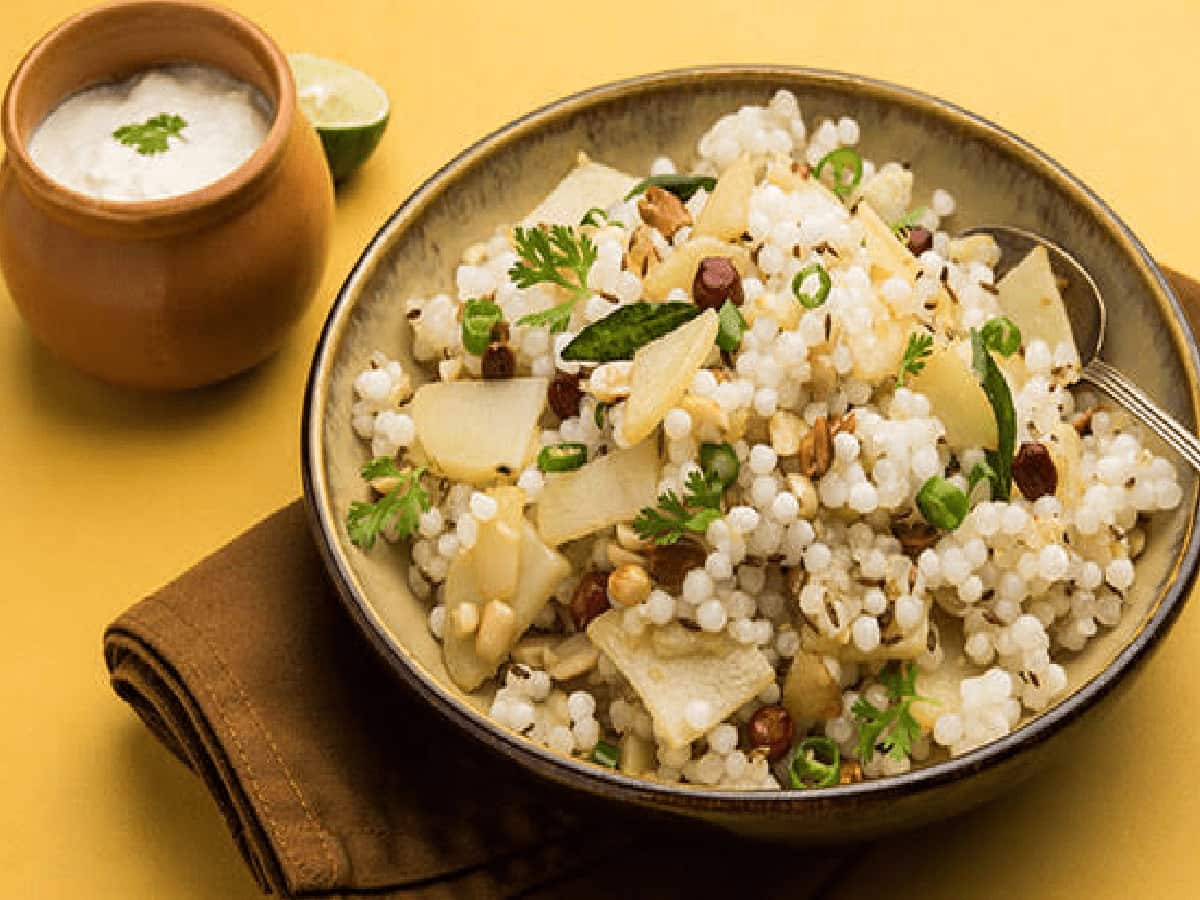
Sabudana Khichdi Over Fried Vadas: Instead of deep-frying sabudana vadas, prepare a light, tempered sabudana khichdi seasoned with curry leaves, light rock salt, and crushed roasted peanuts.
-
Roasted Makhana Instead of Potato Chips: Skip packaged, high-sodium potato wafers and opt for home-roasted lotus seeds tossed with a pinch of black pepper and rock salt.
-
Whole Fruits Over Fruit Juices: Drink plain water or chew whole fruits like apples, pears, papayas, and guavas instead of juicing them. Whole fruits deliver intact dietary fiber, slowing sugar absorption, whereas juices trigger rapid insulin spikes without offering satiety.
Hydration and Salt Balance: Preventing Dizziness, Weakness, and Headaches
Physical exhaustion during fasting is frequently a symptom of electrolyte imbalances rather than calorie deprivation:
-
Sip Natural Fluids Consistently: Combat lethargy and dehydration by drinking unsweetened lemon water, fresh home-churned buttermilk (chaas), and electrolyte-rich tender coconut water throughout the day.
-
Avoid Sugary Fasting Drinks: Steer clear of packaged fruit juices, sugary sherbets, and carbonated beverages that spike blood glucose levels without hydrating your cells.
-
Moderate Rock Salt (Sendha Namak): Rock salt contains significant sodium; hypertensive individuals must be vigilant against excessive consumption from commercial fasting namkeens, chips, and sago papads.
Special Precautions for Diabetes, High Blood Pressure, and Chronic Illness
Individuals managing underlying metabolic conditions must approach fasting with structured medical precautions:
-
Never Adjust Prescriptions Unilaterally: Patients taking insulin or anti-hypertensive drugs should never alter doses or skip medication without explicit consultation from their physician.
-
Frequent Glucose Monitoring: Avoid prolonged starvation followed by heavy evening feasts; space your intake across small, frequent meals containing protein and fiber to prevent both severe hypoglycemia and post-meal spikes.
-
Emergency Warning Flags: If you experience severe trembling, profuse sweating, extreme dizziness, disorientation, shortness of breath, or persistent headaches, break your fast immediately and seek emergency medical attention.
A Practical Full-Day Navratri Meal Blueprint
Follow this structured, nutrient-dense meal plan to maintain sustained vitality throughout the day:
-
Early Morning: A warm glass of water, unsweetened tea or milk, accompanied by four to five soaked almonds and two soaked walnut halves.
-
Breakfast: A light kuttu or samak flour cheela served with fresh homemade curd, or a singhara roti paired with a serving of paneer, followed by an apple or pear later in the morning.
-
Lunch: Two small buckwheat or rajgira rotis served with steamed bottle gourd or pumpkin, a bowl of curd or grilled paneer, and a fresh cucumber-tomato salad.
-
Evening Snack: A cup of roasted makhana or a small handful of mixed nuts alongside sugar-free lemon water or herbal tea.
-
Dinner: A light bowl of samak rice khichdi or a single buckwheat pancake accompanied by fresh seasonal vegetables and yogurt to ensure easy nighttime digestion.