







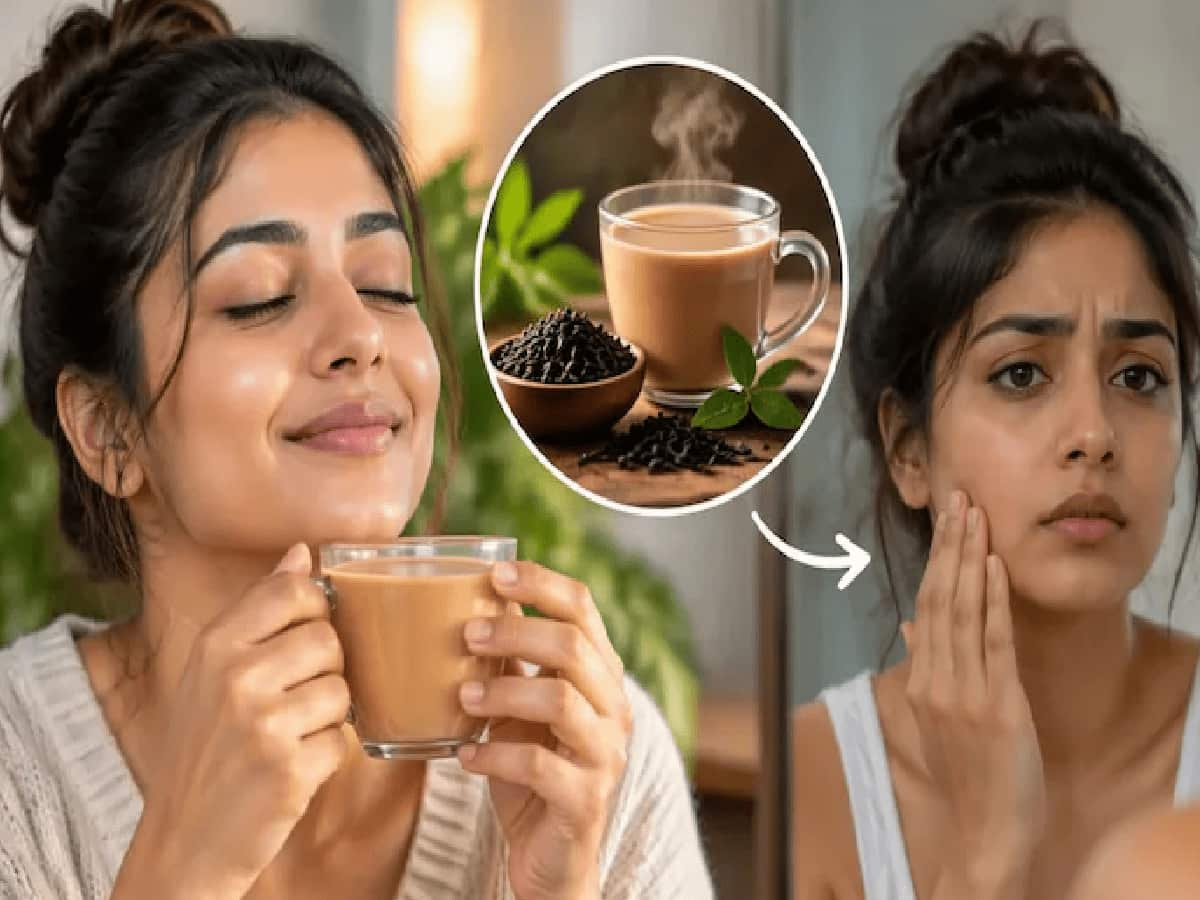
Does Drinking Too Much Tea Really Darken Your Complexion
For generations, tea lovers across households and workplace breaks have encountered the persistent caution that enjoying too many cups of tea will darken their skin complexion. Often directed at children, teenagers, and young adults, this deeply ingrained domestic claim has caused many to wonder whether their favorite daily brew affects epidermal pigmentation. Addressing this widespread belief, leading dermatologists, including Dr. Dimple Kothari, Visiting Consultant Dermatologist at Narayana Hospital, confirm that modern medical science finds zero correlation between tea intake and skin tone. Human skin coloration is governed entirely by melanin distribution and genetic determinants, making the assumption that daily cups of tea cause skin darkening a scientifically unfounded myth.
The Science of Skin Tone: Why Melanin Outweighs Your Daily Brew
Human skin color is regulated by internal biological processes that remain entirely unaffected by tea compounds:
-
Melanin as the Sole Pigment Determinant: Skin color is primarily governed by specialized skin cells producing melanin, the volume and spread of which are fundamentally determined by genetic inheritance rather than dietary liquids.
-
Environmental and Hormonal Triggers: Changes in skin pigmentation stem from ultraviolet (UV) sun exposure, fluctuating endocrine hormones, localized skin inflammation, or underlying clinical disorders, rather than hot beverages.
-
Caffeine and Tannins Exonerated: The natural caffeine, tannins, and catechins present in black or milk tea do not stimulate melanocytes or trigger excess melanin production, rendering the idea that two to three daily cups alter your natural complexion medically inaccurate.
Real Side Effects of Excessive Tea: Restlessness and Nutrient Interference
While tea consumption does not darken your complexion, excessive daily intake can lead to distinct physiological side effects:
-
Caffeine-Induced Restlessness: Consuming excessive quantities of high-caffeine brews can disrupt regular sleep cycles, induce insomnia, elevate heart rates, and trigger daytime jitteriness in sensitive individuals.
-
Inhibition of Non-Heme Iron Absorption: The polyphenols and tannins naturally concentrated in strong tea bind with non-heme dietary iron, impeding proper nutrient absorption when consumed concurrently with meals.
-
Guidance for Iron-Deficient Individuals: People diagnosed with anemia or borderline iron deficiency should avoid drinking concentrated tea during or immediately following main meals to protect their metabolic balance.
Recognizing True Pigmentation Triggers: When Skin Changes Demand Medical Attention
Unexplained changes in skin tone should never be trivialized or attributed to routine tea consumption:
-
Underlying Clinical Explanations: Sudden facial hyperpigmentation, stubborn dark patches, or sun-induced freckling typically indicate conditions like melasma or persistent photo-damage that require clinical dermatological care.
-
Acanthosis Nigricans Warning Signs: The appearance of darkened, thickened, velvety skin folds along the neck, armpits, or groin often signals insulin resistance, pre-diabetes, or endocrine imbalances rather than dietary habits.
-
Prompt Dermatological Consultation: Individuals observing sudden epidermal discoloration should consult a certified medical dermatologist for targeted diagnostics instead of unnecessarily altering their beverage routines.
Skin-Friendly Brews: Antioxidant-Rich Teas That Nourish the Skin
When consumed in moderation, specific herbal and specialty teas offer notable dermatological benefits through their high antioxidant profiles:
-
Green Tea: Packed with epigallocatechin gallate (EGCG), green tea provides anti-inflammatory and antioxidant defense that helps combat oxidative cellular stress.
-
Matcha Green Tea: Delivering concentrated chlorophyll and micronutrients, finely ground matcha supports cellular revitalization and skin barrier defense.
-
Hibiscus Tea: Naturally rich in organic alpha-hydroxy acids (AHAs), anthocyanins, and Vitamin C, hibiscus infusions support collagen integrity and overall skin vitality.




